
Summer brings sunshine, beach days, and outdoor fun—but it also increases the risk of sunburns and heat-related illnesses. While enjoying the season is important, protecting your skin and staying cool can make the difference between …
Summer Safety: Treating Sunburns & Heat Exhaustion
June 5, 2025
Summer brings sunshine, beach days, and outdoor fun—but it also increases the risk of sunburns and heat-related illnesses. While enjoying the season is important, protecting your skin and staying cool can make the difference between a great summer and an uncomfortable one. Knowing how to treat sunburns and heat exhaustion is essential for keeping yourself and your family safe in the heat.
Understanding Sunburn
Sunburn is a skin reaction to excessive ultraviolet (UV) exposure, usually from the sun. It can happen in less than 30 minutes without protection. Mild sunburns cause redness, warmth, and tenderness, while more severe cases can lead to blistering, swelling, and peeling.
Symptoms of sunburn include:
- Red, painful skin
- Swelling and sensitivity
- Blistering (in severe cases)
- Peeling skin after a few days
- Fever, chills, or nausea (with serious sunburn)
Treating Sunburn at Home
Most sunburns can be treated at home using simple remedies:
- Cool the skin: Take cool (not cold) showers or apply damp, cold cloths to the affected area.
- Moisturize: Use aloe vera or fragrance-free moisturizers to soothe skin.
- Hydrate: Sunburn draws fluid to the skin’s surface, so drink plenty of water to rehydrate.
- Pain relief: Take over-the-counter medications like ibuprofen or acetaminophen to reduce pain and inflammation.
- Avoid further exposure: Stay out of the sun until your skin heals fully.
Avoid breaking blisters, as this can lead to infection. If you notice signs of severe sunburn—such as widespread blistering, high fever, or signs of infection—visit urgent care for professional treatment.
What Is Heat Exhaustion?
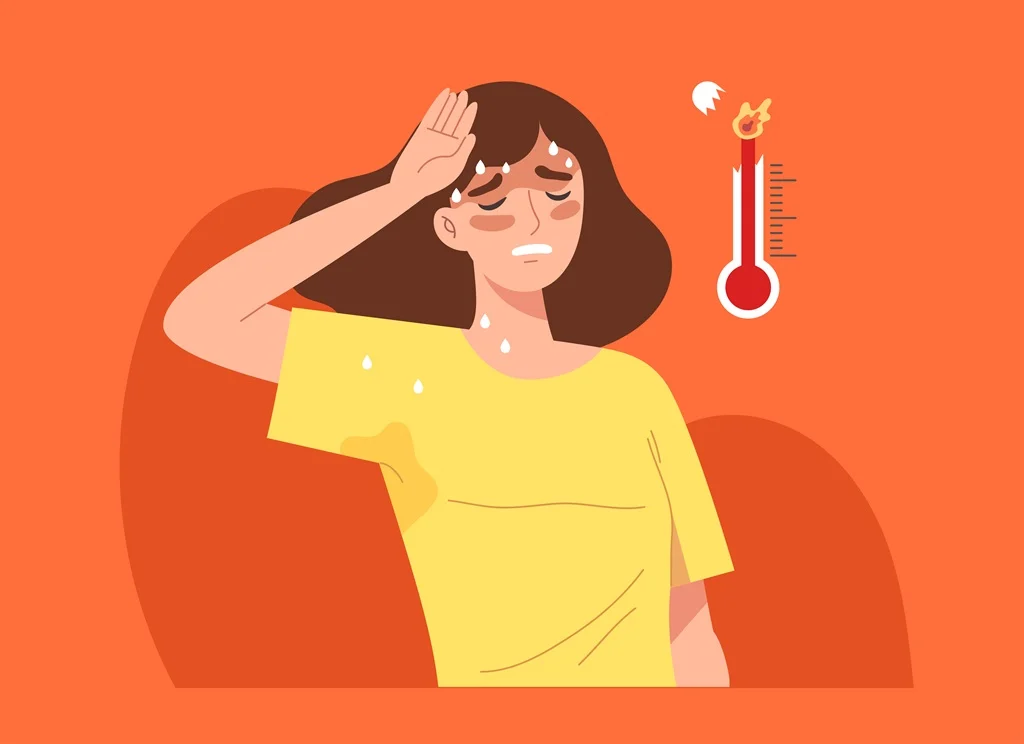
Heat exhaustion occurs when your body overheats due to prolonged exposure to high temperatures, especially during physical activity. It’s a warning sign that your body is struggling to cool itself down, and if left untreated, it can lead to heatstroke, a life-threatening emergency.
Symptoms of heat exhaustion include:
- Heavy sweating
- Weakness or fatigue
- Dizziness or fainting
- Headache
- Nausea or vomiting
- Cold, clammy skin
- Rapid pulse
How to Treat Heat Exhaustion
If you or someone you’re with begins to show signs of heat exhaustion:
- Move to a cooler environment—preferably indoors with air conditioning or at least into the shade.
- Lie down and elevate the legs slightly to improve circulation.
- Hydrate with cool water or electrolyte drinks.
- Remove excess clothing and use cool, damp cloths or fans to lower body temperature.
- Avoid caffeine or alcohol, which can worsen dehydration.
If symptoms don’t improve within 30 minutes, or if the person loses consciousness, begins vomiting, or has difficulty breathing, seek immediate medical attention.
Prevention Tips for a Safe Summer
- Apply sunscreen with at least SPF 30 every 2 hours (more often if swimming or sweating)
- Wear protective clothing, sunglasses, and wide-brimmed hats
- Take breaks in the shade or indoors during peak sun hours (10 a.m. to 4 p.m.)
- Stay hydrated—drink water regularly, even if you don’t feel thirsty
- Know your limits during exercise and take frequent rest periods
When to Visit Urgent Care
Head to an urgent care center if:
- You have a severe sunburn with blisters, fever, or chills
- You’re experiencing heat exhaustion symptoms that aren’t improving
- You’re unsure whether your condition is sunburn, heat exhaustion, or something else
- You need professional advice, rehydration support, or wound care for peeling or blistered skin
Urgent care centers are equipped to treat these conditions quickly—no appointment needed.
Final Thoughts
Sunshine and warm weather should be enjoyed, not endured. With the right knowledge and a little prevention, you can stay safe, cool, and comfortable all summer long. But when sunburns or heat exhaustion strike, it’s important to act fast.
Need quick care this summer? Call 305-344-CARE (2273) to speak with a healthcare provider or find the nearest urgent care location. Walk-ins welcome—feel better, faster.
beach medical helpbeachside medical clinicdehydration treatment Miamiemergency clinic Miami BeachER alternative Miamifast care South Floridafood poisoning clinicheat exhaustion Miami Beachjet lag recovery IVkid-friendly urgent careMiami Beach health tipsMiami Beach local doctorMiami nightlife recoveryquick STD testing Miamiquick X-rays MiamiSouth Beach flu seasonsports injury Miami Beachsunburn treatment Miamiurgent care for travelerswound care clinic



















