Minor cuts are a common part of everyday life—whether it’s from a kitchen mishap, outdoor activity, or a simple slip of the hand. Knowing how to handle these small injuries at home can prevent infection, …
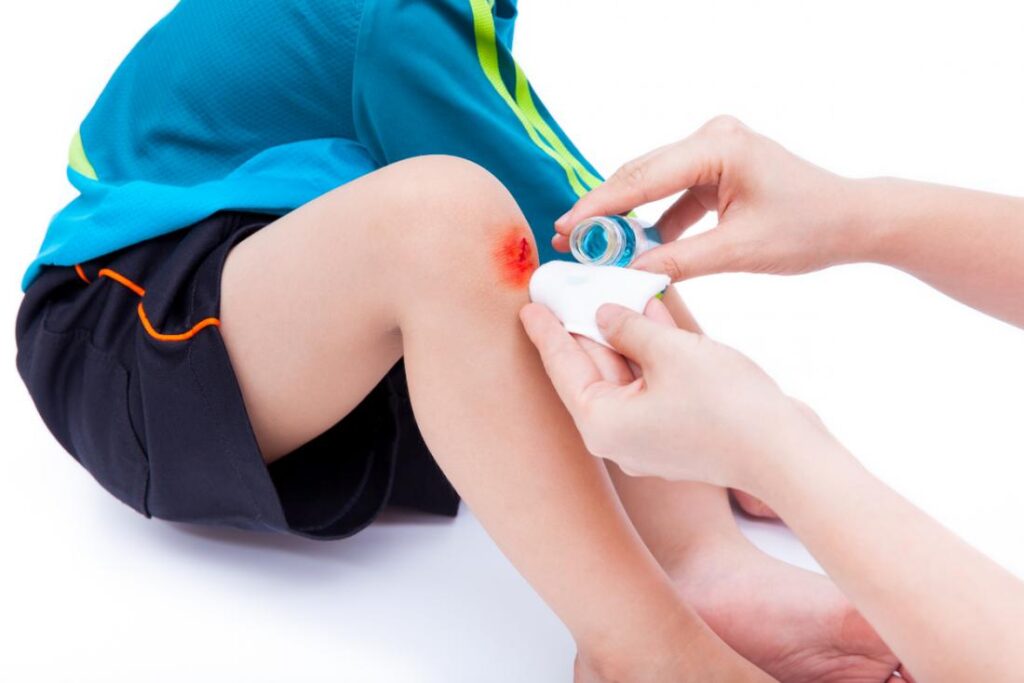
The Best Way to Stop Bleeding Fast with What You Have at Home
July 2, 2025
Minor cuts are a common part of everyday life—whether it’s from a kitchen mishap, outdoor activity, or a simple slip of the hand. Knowing how to handle these small injuries at home can prevent infection, reduce pain, and support faster healing. Understanding when a cut needs professional care, such as stitches, is just as important.
Here’s how to treat a minor cut at home and the warning signs that mean you should visit urgent care.
Step-by-Step: How to Treat a Minor Cut at Home
- Wash Your Hands
Before touching the wound, thoroughly wash your hands with soap and water to avoid introducing bacteria. - Stop the Bleeding
Apply gentle pressure to the cut using a clean cloth or sterile gauze. Most minor cuts stop bleeding within a few minutes. - Rinse the Wound
Hold the cut under cool, running water to remove debris and dirt. Avoid using hydrogen peroxide or alcohol, as they can damage healthy tissue. - Clean the Area Around the Cut
Use mild soap to clean the skin around the cut. Pat dry with a clean towel or sterile cloth. - Apply an Antibiotic Ointment
Use a thin layer of over-the-counter antibiotic ointment like Neosporin to prevent infection and promote healing. - Cover the Cut
Place a sterile adhesive bandage or gauze pad over the wound. Change the bandage daily, or whenever it becomes wet or dirty. - Monitor for Signs of Infection
Keep an eye on the cut as it heals. Redness, swelling, pus, or increased pain may indicate infection. - Let It Breathe After a Few Days
Once the wound has started to heal, leaving it uncovered for short periods can promote faster recovery.
When to Seek Medical Help or Get Stitches
Sometimes, what looks like a minor cut may require medical attention. Visit urgent care or consult a provider if:
- The cut is deeper than 1/4 inch or has jagged edges
- You see fat, muscle, or bone
- The bleeding doesn’t stop after 10 minutes of direct pressure
- The wound is located on the face, hands, or joints
- The cut was caused by a dirty or rusty object, or a bite
- You haven’t had a tetanus shot in the last 5 years
- There are signs of infection: redness spreading, warmth, swelling, or pus
Getting stitches within 6 to 8 hours of the injury (sometimes up to 24 hours) can reduce scarring and infection risk.
Helpful Tips & Common Myths
- ❌ Don’t blow on the wound: It may seem instinctual, but it introduces bacteria.
- ✅ Avoid removing scabs: They protect the wound during the healing process.
- ❌ Butter or toothpaste doesn’t belong on wounds: These can irritate and worsen the injury.
- ✅ Use petroleum jelly if you don’t have antibiotic ointment: It keeps the wound moist and helps prevent scabbing.
If symptoms get worse or don’t improve, visit your local urgent care provider for professional evaluation.
Hey Did You Know We Have an IV Therapy Spa Inside? Check out our drip menu!