Whether it’s a scraped knee, a small kitchen cut, or a minor fall injury, one of the most important things you can do is keep the wound clean. Even the smallest break in the skin …
The Importance of Keeping Wounds Clean
July 3, 2025
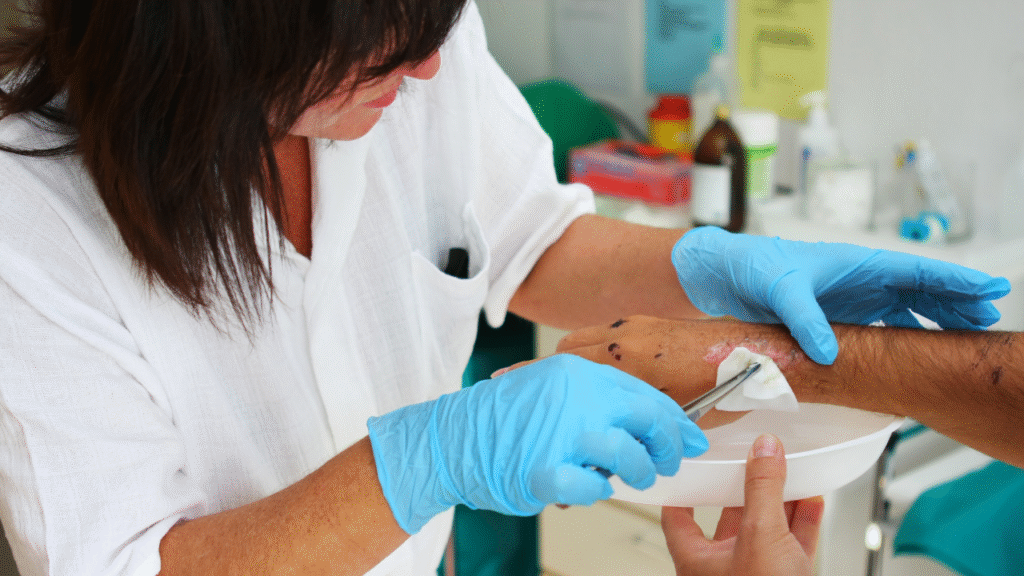
Whether it’s a scraped knee, a small kitchen cut, or a minor fall injury, one of the most important things you can do is keep the wound clean. Even the smallest break in the skin can allow bacteria to enter and cause an infection. Proper cleaning isn’t just about hygiene—it’s a crucial first step in promoting fast, safe healing.
Let’s break down why wound cleanliness matters and how to care for everyday cuts and scrapes at home.
Why Cleaning a Wound Matters
When the skin is broken, bacteria from your hands, surfaces, or the environment can enter the body. If not properly cleaned, wounds can:
- Become red, swollen, or painful
- Develop pus, odor, or drainage
- Lead to infection or delayed healing
- In some cases, cause fever or spreading infections like cellulitis
Cleaning the wound promptly removes dirt and germs, helping prevent these complications and encouraging faster recovery.
How to Clean a Wound at Home
1. Wash Your Hands First
Before touching the wound, wash your hands thoroughly with soap and water or use hand sanitizer.
2. Rinse with Clean Water
Hold the wound under cool running water for a few minutes. This helps remove dirt, debris, and bacteria.
3. Use Mild Soap Around the Area
Gently wash the skin around the wound with soap. Avoid getting soap directly in the wound as it can irritate sensitive tissue.
4. Remove Debris Carefully
If you see dirt or particles, use clean tweezers (sterilized with rubbing alcohol) to remove them gently.
5. Pat Dry with a Clean Towel
Use a sterile gauze pad or clean towel to blot the area dry. Avoid rubbing, which can reopen the wound.
6. Apply an Antibiotic Ointment (Optional)
Using an over-the-counter antibiotic cream or ointment can help prevent infection—especially for scraped or abraded skin.
7. Cover the Wound with a Bandage
Protect the area with a clean adhesive bandage or sterile gauze pad. Change the dressing daily or when it becomes wet or dirty.
Keep the Wound Clean Daily
- Check for signs of infection: redness, warmth, swelling, or pus
- Re-clean the wound if it gets dirty again
- Keep it covered until a scab forms and there’s no more drainage
When to Seek Medical Help
Visit urgent care or your healthcare provider if:
- The wound is deep, gaping, or won’t stop bleeding
- There’s visible dirt you can’t remove
- You see signs of infection (spreading redness, warmth, pus, fever)
- The injury is from a dirty or rusty object and your tetanus shot isn’t up to date
Clean wounds heal faster, with fewer complications and less scarring. It’s one of the simplest—and most effective—ways to protect your health after minor injuries.
If symptoms get worse or don’t improve, visit your local urgent care provider for professional evaluation.
Hey Did You Know We Have an IV Therapy Spa Inside? Check out our drip menu!
antibiotic ointmentbandage care tipsclean vs infected woundcleaning minor injurieseveryday injury carefirst aid for scrapesfirst aid supplieshome first aid tipshow to clean cutskeeping wounds cleanprevent wound infectionproper wound careskin break cleaningsterile bandagestreating scrapes at homeurgent care cutswound cleaningwound healing stepswound infection signs