When you bump your cheek, take a fall, or get hit in the face, applying a cold pack is one of the best things you can do—if you do it correctly. Cold helps reduce swelling, …
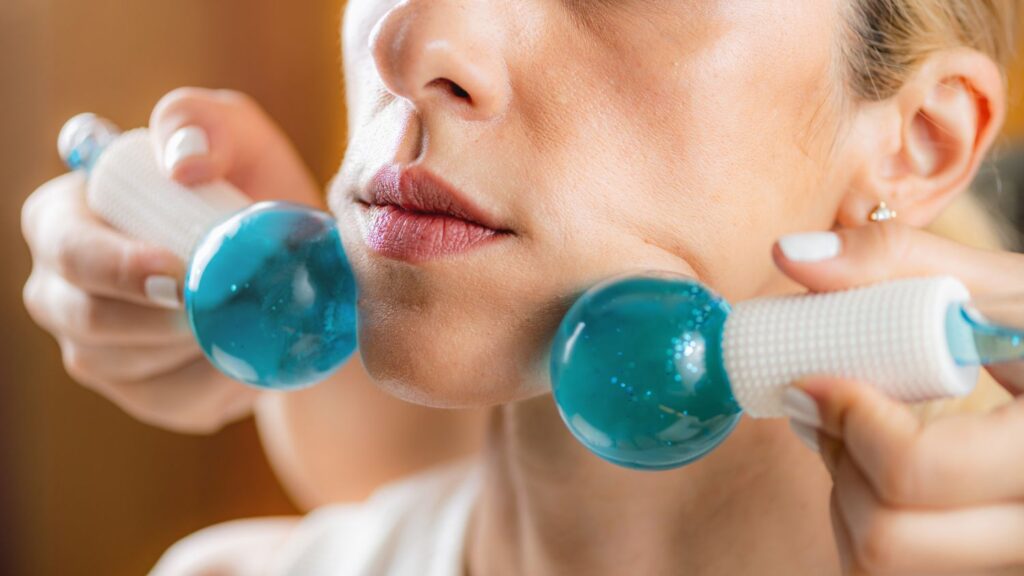
The Right Way to Apply a Cold Pack to a Facial Injury
July 3, 2025
When you bump your cheek, take a fall, or get hit in the face, applying a cold pack is one of the best things you can do—if you do it correctly. Cold helps reduce swelling, numb pain, and prevent bruising, but using it improperly can lead to frostbite or skin irritation, especially on delicate facial tissue. Here’s how to safely and effectively use a cold pack for any minor facial injury at home.
Why Cold Packs Work
Cold constricts blood vessels, which reduces blood flow to the injured area. This helps:
- Lessen swelling
- Reduce inflammation
- Minimize bruising
- Dull pain and discomfort
Cold therapy is most effective within the first 24–48 hours after an injury.
Step-by-Step: How to Use a Cold Pack on the Face
1. Choose the Right Cold Source
- Use a soft gel cold pack, bag of frozen peas, or crushed ice
- Avoid hard or heavy packs that can press into facial bones
2. Always Use a Barrier
- Wrap the cold source in a thin towel, washcloth, or paper towel
- Never place ice or a cold pack directly on the skin—it can cause frostbite
3. Apply for 15–20 Minutes at a Time
- Gently press the cold pack against the injured area without adding pressure
- Hold it in place for no more than 20 minutes at a time
- Remove for at least 20 minutes between applications
4. Repeat as Needed
- Use cold therapy every 1–2 hours during the first day
- Continue as long as there is noticeable swelling or pain
Where to Apply Cold Packs for Facial Injuries
Cold packs can be used on:
- Cheeks or jaw
- Lips or mouth (outside only)
- Forehead or brow
- Under-eye area (be very gentle—don’t press too hard)
Use caution near sensitive areas like the nose and eyes. For inside the mouth (such as a bitten lip or inner cheek), ice chips or sipping cold water is more effective.
When to Use Cold vs. Heat
- Cold: Use during the first 48 hours after injury to reduce swelling and pain
- Heat: Consider after swelling subsides to relax muscles or stiffness—but not right away
When to See a Medical Provider
See urgent care if you notice:
- Persistent swelling or bruising after 48 hours
- Visible deformity, like a crooked nose or jaw
- Bleeding that won’t stop
- Signs of concussion (dizziness, confusion, vomiting)
- Infection, such as pus, warmth, or spreading redness
What Not to Do
- ❌ Don’t apply cold for too long—limit to 20-minute sessions
- ❌ Don’t fall asleep with a cold pack on your face
- ❌ Don’t press the ice directly into a wound or bruise
- ❌ Don’t ignore severe or spreading symptoms
If symptoms get worse or don’t improve, visit your local urgent care provider for professional evaluation.
Hey Did You Know We Have an IV Therapy Spa Inside? Check out our drip menu!
apply cold correctlyavoid frostbite facebusted lip carecheek swelling remedycold compress swellingcold pack face injuryeye bruise careface bruise treatmentface injury cold vs heatfirst aid facial bruisegel pack facehow long to ice facehow to ice facial injuryice on faceice therapy face injuryjaw swelling reliefreduce facial swellingurgent care face injurywhen to use cold