Proper nutrition before surgery is one of the most powerful ways to support healing and reduce complications. While it’s easy to focus on the logistics of the procedure itself, what you eat in the days …
The Role of Nutrition Before Surgery
July 12, 2025
Proper nutrition before surgery is one of the most powerful ways to support healing and reduce complications. While it’s easy to focus on the logistics of the procedure itself, what you eat in the days or weeks leading up to your operation can directly influence how well you recover. Whether you’re facing major or minor surgery, preparing your body nutritionally helps strengthen the immune system, reduce inflammation, and improve outcomes.
Why nutrition matters pre-op
Surgery triggers a stress response in the body. Tissues are damaged, inflammation increases, and the immune system is activated. Healing requires extra energy and resources—especially protein, vitamins, and minerals. Poor nutrition before surgery is linked to:
- Increased risk of infections
- Slower wound healing
- Higher chance of complications
- Longer hospital stays and recovery periods
By nourishing your body beforehand, you set the stage for smoother healing and fewer setbacks.
Essential nutrients to focus on
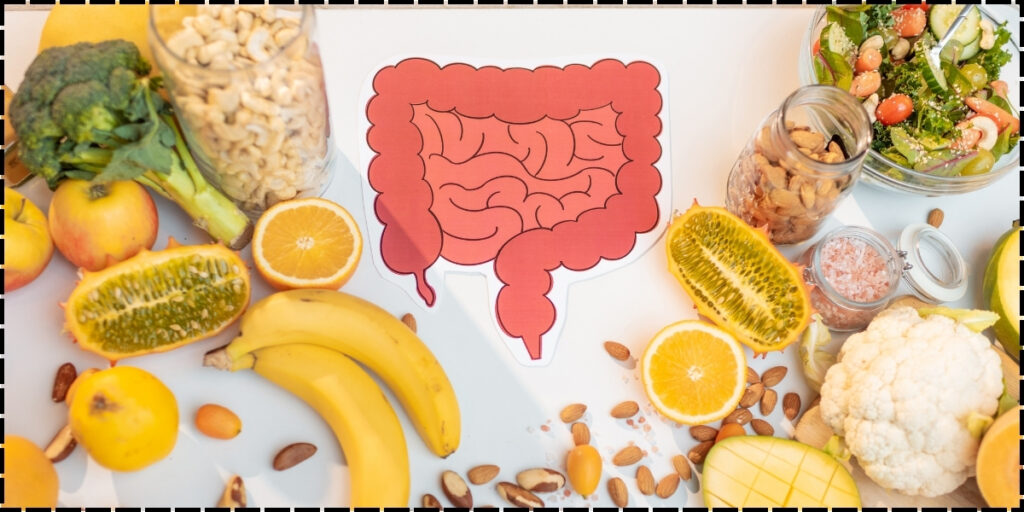
Not all calories are equal. Pre-op nutrition should emphasize quality over quantity. Focus on foods that are nutrient-dense, anti-inflammatory, and easy to digest.
- Protein: Crucial for tissue repair and immune function. Sources include lean meats, eggs, fish, legumes, tofu, and Greek yogurt.
- Vitamins A and C: Support collagen production and wound healing. Found in leafy greens, carrots, bell peppers, berries, and citrus fruits.
- Zinc and Iron: Promote red blood cell production and immune support. Found in lean beef, spinach, pumpkin seeds, lentils, and fortified cereals.
- Healthy fats: Support brain function and reduce inflammation. Include sources like olive oil, avocado, nuts, and fatty fish.
- Fiber and hydration: Support gut health, which can impact recovery. Eat whole grains, fruits, vegetables, and drink plenty of water.
What to avoid before surgery
Just as important as what you eat is what you should avoid in the days before surgery:
- Highly processed foods: These can cause inflammation and offer little nutritional value.
- High-sugar and high-fat meals: May impair immune response and increase risk of infection.
- Alcohol: Can interfere with liver function, immune strength, and medication effectiveness.
- Caffeine in excess: May lead to dehydration if consumed too close to surgery.
- Supplements that affect bleeding: Herbal products like garlic, ginseng, and ginkgo can thin the blood—discuss these with your provider.
When to stop eating before surgery
Your surgical team will give specific instructions, but in general:
- You’ll be asked to stop eating solid foods about 6–8 hours before your procedure.
- Clear liquids may be allowed up to 2 hours before surgery.
- If you take medications with food, this should be reviewed with your provider well in advance.
Special considerations for different patients
Some patients may require tailored nutrition plans, such as:
- Diabetics: Need to maintain stable blood sugar without skipping meals.
- Older adults: May need higher protein and calorie intake to combat frailty.
- Underweight or malnourished individuals: Might benefit from nutritional supplements before surgery.
- Patients with GI conditions: May need to limit fiber or switch to low-residue foods.
Working with your doctor or a registered dietitian can help personalize your plan.
Post-op benefits of good nutrition
When you eat well before surgery, your body is better equipped to:
- Fight off infections
- Heal incisions faster
- Maintain strength and energy
- Avoid complications like pressure sores or muscle loss
- Resume daily activities more quickly
Nutrition is part of your overall preoperative health strategy—it’s not just about eating, but about building a foundation for recovery.
Frequently Asked Questions
How long before surgery should I focus on nutrition?
Ideally, start improving your diet 2–4 weeks before surgery. However, even 5–7 days of better eating can make a difference.
Can I take protein shakes or supplements?
Yes, but consult your provider—especially if you’re on medication or preparing for anesthesia. Some supplements may need to be paused.
What if I’m not hungry due to stress?
Try smaller, frequent meals with nutrient-dense ingredients like smoothies, soups, or oatmeal with nuts and fruit.
Is it okay to lose weight before surgery?
Intentional weight loss should be discussed with your provider. Extreme dieting before surgery can weaken your immune system and delay healing.