Traveling abroad opens up opportunities for adventure, learning, and cultural exchange. But it also introduces your body to unfamiliar health risks—especially infectious diseases that may not be common where you live. Travel vaccines help prepare …
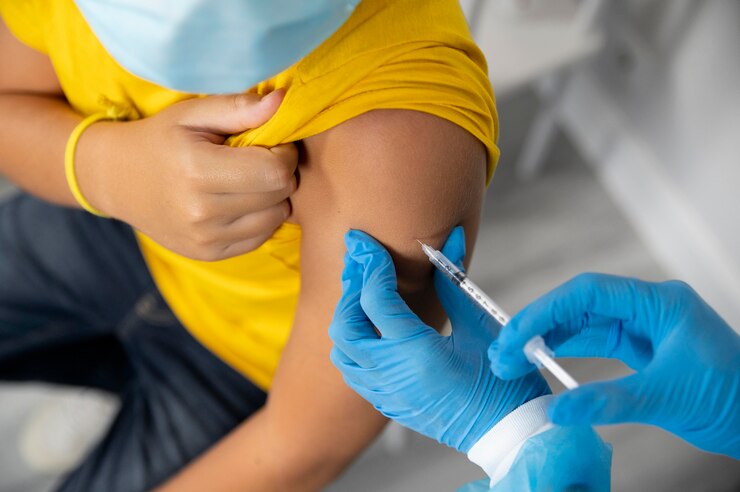
Vaccines for Travel: A Comprehensive Guide
July 12, 2025
Traveling abroad opens up opportunities for adventure, learning, and cultural exchange. But it also introduces your body to unfamiliar health risks—especially infectious diseases that may not be common where you live. Travel vaccines help prepare your immune system for those risks and ensure you arrive protected.
This guide breaks down the different types of vaccines travelers may need, when to get them, and how to plan ahead so nothing delays your trip. Whether you’re heading to South America, Africa, Southeast Asia, or beyond, understanding the role of vaccines is a vital part of safe travel preparation.
Why travel vaccines are necessary
Diseases like yellow fever, typhoid, or hepatitis A may be rare at home, but they remain active in other parts of the world. Many of these infections are spread through food, water, or mosquitoes—and the impact can range from mild discomfort to life-threatening illness.
Travel vaccines work by training your immune system to recognize and fight specific pathogens before you’re exposed. Some are required by certain countries for entry, while others are strongly recommended based on regional risks.
Vaccination helps protect not just you, but also the communities you visit and return to.
Categories of travel vaccines
Vaccines for international travel fall into three general categories:
- Routine vaccinations: These are standard immunizations that most people receive during childhood or through adulthood (like measles, tetanus, or flu shots). They’re important to review before travel, as gaps in protection can leave you vulnerable.
- Recommended travel vaccines: Based on your destination, activities, and medical history, your healthcare provider may recommend additional immunizations to reduce risk. These aren’t required for entry but are critical for personal safety.
- Required vaccines for entry: Some countries mandate proof of specific vaccines for entry, often documented on an official certificate. Not meeting these requirements can result in denied boarding or entry refusal at customs.
Common travel vaccines and what they protect against
Here are some of the most frequently recommended or required vaccines for travelers:
- Yellow Fever: Required for entry to several African and South American countries. Transmitted by mosquitoes; a single dose provides lifelong protection.
- Typhoid: Recommended for travelers visiting rural or low-sanitization areas in Asia, Africa, and Latin America. Spread through contaminated food or water.
- Hepatitis A: A common risk in countries with poor sanitation. Spread via contaminated food or water.
- Hepatitis B: Transmitted through blood or bodily fluids. Recommended for travelers who may receive medical treatment abroad, or have potential exposure through tattoos, injuries, or sexual contact.
- Rabies: Recommended for long-term travelers or those visiting areas with high stray animal populations. Especially important for campers, hikers, and wildlife volunteers.
- Japanese Encephalitis: Common in parts of rural Asia. Recommended for extended stays or exposure to farming regions.
- Meningococcal Meningitis: Required for pilgrims traveling to Saudi Arabia during Hajj. Also recommended in some sub-Saharan African countries.
- Cholera: Occasionally recommended for humanitarian workers or those traveling to areas with active outbreaks.
- Polio booster: Required for travel to certain countries where polio is still active or reemerging.
Timing matters: when to get vaccinated
Many vaccines need time to take effect or require multiple doses over several weeks. Planning ahead ensures full protection and avoids last-minute complications.
Suggested timelines:
- 4–6 weeks before travel: Ideal for scheduling your travel physical and receiving most vaccines
- Some vaccines (like Japanese Encephalitis or rabies) may require two or three doses spread over several weeks
- Yellow fever certificate becomes valid 10 days after vaccination
- Boosters for tetanus, measles, or polio may be given during the same visit if needed
Even if you’re leaving sooner than planned, a last-minute appointment is still better than none. Partial protection can still be helpful in high-risk areas.
Factors that determine which vaccines you need
Not all travelers need the same set of vaccines. Your personal health profile and trip details will guide recommendations.
Considerations include:
- Destination: Specific countries and regions have different risks based on disease prevalence and climate
- Duration: Long stays may increase exposure time, requiring broader protection
- Urban vs. rural: Staying in remote areas usually means greater exposure to food- and vector-borne illnesses
- Season: Disease transmission can vary seasonally, such as rainy season increasing malaria risk
- Activities: Adventure travel, volunteering, or close animal contact may require additional precautions
- Personal medical history: Age, chronic illness, medications, and immune status can influence vaccine choices
A healthcare provider trained in travel medicine can assess these factors and build a personalized vaccination plan.
Travel documents and vaccine certification
For vaccines that are required for entry—especially yellow fever—you’ll receive an International Certificate of Vaccination (sometimes called a “yellow card”). This official document must be presented at customs or boarding.
To avoid issues:
- Bring a physical copy of your vaccination records
- Keep digital backup photos or scans
- Double-check that all documentation is complete, signed, and dated
- Know the entry requirements of each country you plan to visit or transit through
This paperwork is just as essential as your passport when entering countries with vaccine mandates.
Other preventative tips beyond vaccines
Vaccines are one key part of a broader travel health plan. Depending on your destination, your provider may also recommend:
- Malaria prophylaxis (oral medication)
- Insect repellent with DEET or picaridin
- Water purification tablets or portable filters
- Traveler’s diarrhea kits including rehydration salts or antibiotics
- Medical evacuation insurance for remote travel
Combining vaccinations with smart preparation helps you travel confidently and safely.
Takeaway
Vaccines are a critical layer of defense when traveling internationally. They protect against serious diseases, meet entry requirements, and reduce your risk of medical emergencies far from home. With the right timing and guidance, you can enjoy your trip knowing your health is protected every step of the way.