
H. pylori (Helicobacter pylori) is a type of bacteria that infects the stomach lining—and while some people have no symptoms at all, others develop persistent discomfort that can lead to more serious digestive issues. Recognizing …
What are H. pylori symptoms?
July 7, 2025
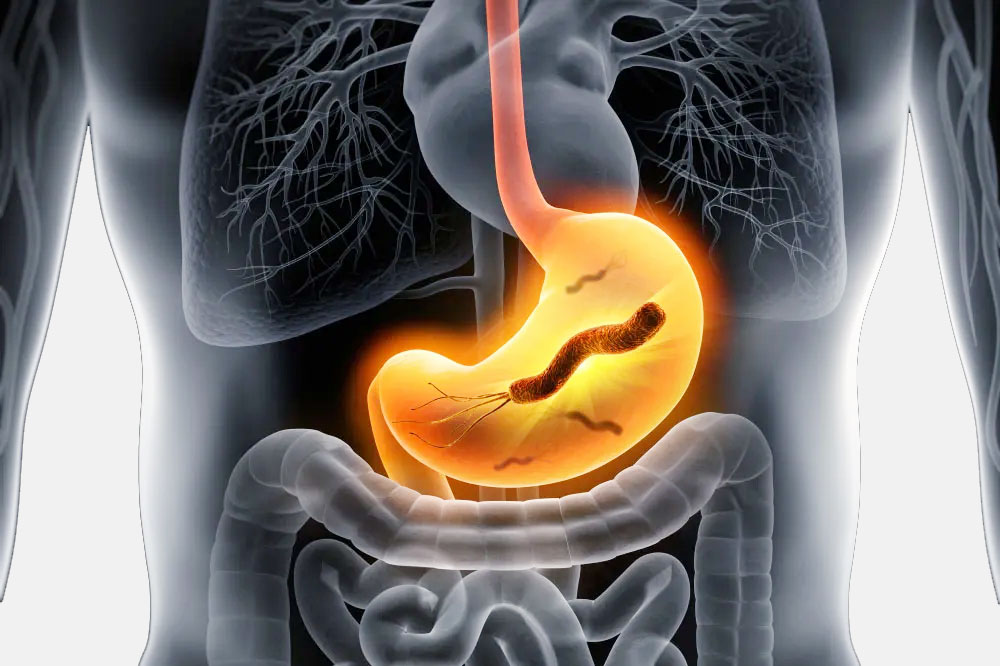
H. pylori (Helicobacter pylori) is a type of bacteria that infects the stomach lining—and while some people have no symptoms at all, others develop persistent discomfort that can lead to more serious digestive issues. Recognizing the signs early is key to getting the right treatment and preventing complications like ulcers or gastritis.
If you’ve been dealing with ongoing stomach problems, H. pylori might be the underlying cause. Here’s what to look out for, how to ease symptoms at home, and when it’s time to seek medical care.
Most Common H. pylori Symptoms
Symptoms of H. pylori vary from person to person, but the most frequent signs include:
- Burning or Gnawing Stomach Pain
Often felt in the upper middle part of your abdomen, this pain may worsen on an empty stomach and improve after eating. It can feel like dull aching, cramping, or even hunger pangs. - Frequent Bloating
Trapped gas and pressure in your upper abdomen can make you feel uncomfortably full, especially after small meals. - Excessive Belching
Burping frequently, especially after meals, may indicate irritation caused by H. pylori infection. - Nausea or Upset Stomach
You may feel queasy during or after eating. In some cases, this can also lead to mild vomiting. - Loss of Appetite
The discomfort associated with meals may lead you to eat less or skip food altogether. - Unexplained Weight Loss
When food causes pain or nausea, it’s common to unintentionally lose weight. - Bad Breath (Halitosis)
H. pylori can affect digestion and cause foul-smelling breath, even with good oral hygiene. - Acid Reflux or Indigestion
Chronic heartburn, indigestion, or a sour taste in your mouth may stem from disrupted stomach acid levels.
Less Common but Serious Signs to Watch For
If H. pylori isn’t treated, it can lead to more severe symptoms, especially if ulcers develop. Call a medical provider immediately if you notice:
- Sharp or stabbing stomach pain
- Vomit that looks like coffee grounds
- Black, tarry stools
- Persistent fatigue or weakness
- Difficulty swallowing or unrelenting heartburn
These may indicate internal bleeding or ulcer complications and require prompt evaluation.
How to Relieve Mild H. pylori Symptoms at Home
While only testing can confirm H. pylori, you can try a few supportive remedies to reduce discomfort in the meantime:
- Eat bland foods – Stick to low-acid, soft meals like oatmeal, bananas, rice, and steamed vegetables.
- Avoid spicy or fried foods – These irritate the stomach lining and may worsen symptoms.
- Try over-the-counter antacids – Medications like famotidine or omeprazole may help with burning pain but won’t cure H. pylori.
- Use probiotics – Yogurt or supplements may support gut health, especially if you’ve recently used antibiotics.
- Drink ginger or chamomile tea – These are soothing options that may ease mild nausea and bloating.
When to Visit Urgent Care
You should seek medical evaluation—especially at urgent care—if:
- Your symptoms last more than a week
- You have recurring stomach pain, especially when fasting
- You’ve already tried acid reducers without lasting relief
- You have a family history of ulcers or stomach cancer
- You’re losing weight without trying or eating less due to discomfort
Urgent care providers can order tests like the urea breath test, stool antigen test, or blood test to check for H. pylori and begin the appropriate treatment.
Common Mistakes to Avoid
- Ignoring symptoms for too long: Waiting too long may increase the risk of ulcers or chronic gastritis.
- Self-treating with random antacids: Not all acid reducers address the underlying infection.
- Stopping prescribed treatment early: If you’re diagnosed with H. pylori and receive antibiotics, take the full course to ensure it clears completely.
Helpful Tip:
Keeping a daily food and symptom journal can help you and your provider detect patterns, such as meals that trigger flare-ups or times when symptoms worsen.
Final Thought
H. pylori symptoms can be subtle but persistent. If you’re noticing stomach discomfort that doesn’t go away or keeps coming back, it’s worth investigating. Early detection and treatment can prevent ulcers and help you feel better faster.
If symptoms get worse or don’t improve, visit your local urgent care provider for professional evaluation.
Hey Did You Know We Have an IV Therapy Spa Inside? Check out our drip menu!



















