In today’s fast-paced world, healthcare needs often arise unexpectedly. When you’re feeling unwell or have a minor injury, waiting days or weeks for a doctor’s appointment isn’t always an option. That’s where walk-in clinics come …
What is a Walk-In Clinic and How Does it Work?
June 5, 2025
In today’s fast-paced world, healthcare needs often arise unexpectedly. When you’re feeling unwell or have a minor injury, waiting days or weeks for a doctor’s appointment isn’t always an option. That’s where walk-in clinics come in—a convenient, accessible healthcare solution designed to provide prompt medical care without the need for an appointment. But what exactly is a walk-in clinic, and how does it work? Let’s dive into the details.
What is a Walk-In Clinic?
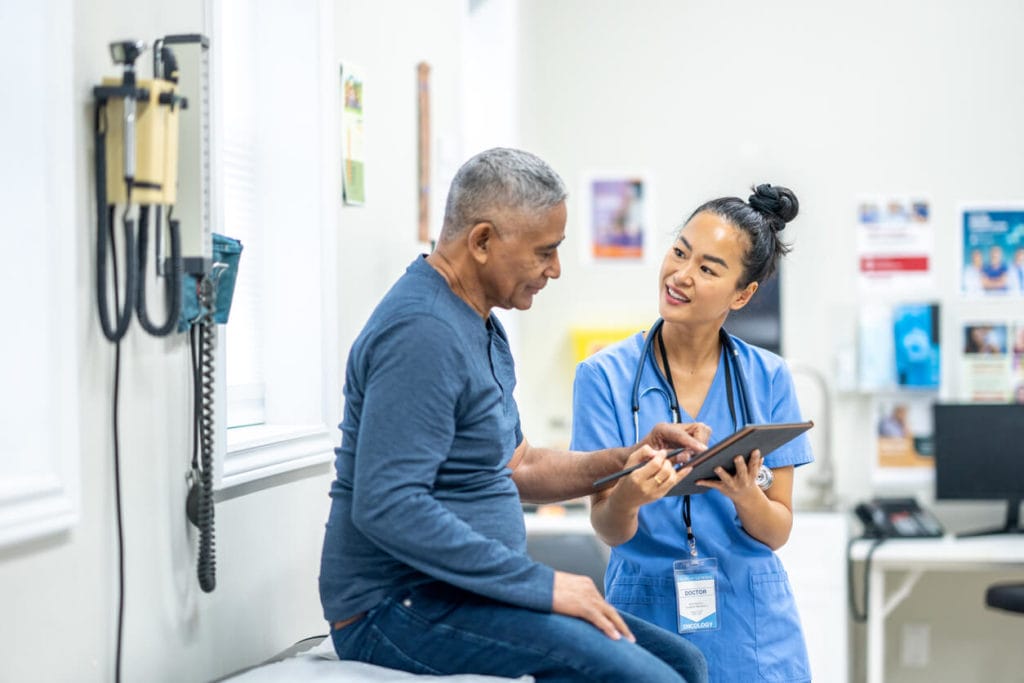
A walk-in clinic is a healthcare facility that provides immediate medical attention for non-emergency conditions. Unlike traditional doctors’ offices that require appointments, walk-in clinics operate on a first-come, first-served basis. These clinics are typically staffed by nurse practitioners, physician assistants, or doctors who can diagnose and treat a variety of common illnesses and injuries.
Walk-in clinics are ideal for addressing minor health concerns such as colds, flu, minor cuts, rashes, allergies, and simple infections. They can also perform routine services like vaccinations, physical exams, and health screenings. These clinics are often found in convenient locations such as pharmacies, retail stores, and urgent care centers, making healthcare more accessible to everyone.
How Does a Walk-In Clinic Work?
The beauty of a walk-in clinic lies in its simplicity and accessibility. Here’s how it generally works:
- No Appointment Needed
One of the biggest advantages of a walk-in clinic is that you don’t need to schedule an appointment. If you need care, you simply walk in during clinic hours and register at the front desk. This makes it perfect for sudden illnesses or minor injuries when waiting for a doctor’s appointment isn’t feasible. - Registration and Brief History
After checking in, you’ll provide some basic information about yourself and your symptoms. This helps the healthcare provider understand your condition and prepare for your evaluation. - Evaluation by a Healthcare Provider
Once it’s your turn, a healthcare professional will assess your symptoms and medical history. They might conduct a physical examination, order lab tests, or take X-rays if needed. The providers are equipped to diagnose and treat a wide range of non-emergency conditions efficiently. - Treatment and Recommendations
Based on the diagnosis, the provider will offer treatment options, which may include prescribing medication, providing wound care, or recommending home remedies and follow-up care. If your condition requires more specialized treatment, they will guide you on the next steps, such as visiting a specialist or going to the emergency room. - Payment and Insurance
Many walk-in clinics accept most insurance plans, and they also offer affordable self-pay options. Before you leave, you’ll handle billing or co-payments at the front desk.
Benefits of Using a Walk-In Clinic
- Convenience: No need to wait weeks for an appointment. Walk-in clinics often have extended hours, including evenings and weekends.
- Quick Care: Most visits are resolved within an hour, getting you back to your routine faster.
- Cost-Effective: Walk-in clinics are typically less expensive than emergency room visits for minor conditions.
- Accessible Locations: Found in pharmacies, supermarkets, and standalone centers, they’re easy to reach.
When to Visit a Walk-In Clinic
Walk-in clinics are best for non-life-threatening issues such as:
- Cold, flu, cough, and sore throat
- Minor cuts, burns, or bruises
- Sprains and strains
- Ear infections and sinus infections
- Allergic reactions
- Skin rashes and infections
- Urinary tract infections
- Routine vaccinations and screenings
If you experience severe symptoms such as chest pain, difficulty breathing, severe bleeding, or head injuries, you should seek emergency care immediately.
Conclusion
Walk-in clinics provide a fast, affordable, and convenient way to receive quality healthcare without the hassle of scheduling an appointment. They bridge the gap between primary care physicians and emergency rooms by offering timely treatment for minor illnesses and injuries.
If you need quick medical care or have questions about your health, don’t wait. Call 305-344-CARE (2273) to find out more about the walk-in clinic services available to you.
beach medical helpbeachside medical clinicdehydration treatment Miamiemergency clinic Miami BeachER alternative Miamifast care South Floridafood poisoning clinicheat exhaustion Miami Beachjet lag recovery IVkid-friendly urgent careMiami Beach health tipsMiami Beach local doctorMiami nightlife recoveryquick STD testing Miamiquick X-rays MiamiSouth Beach flu seasonsports injury Miami Beachsunburn treatment Miamiurgent care for travelerswound care clinic