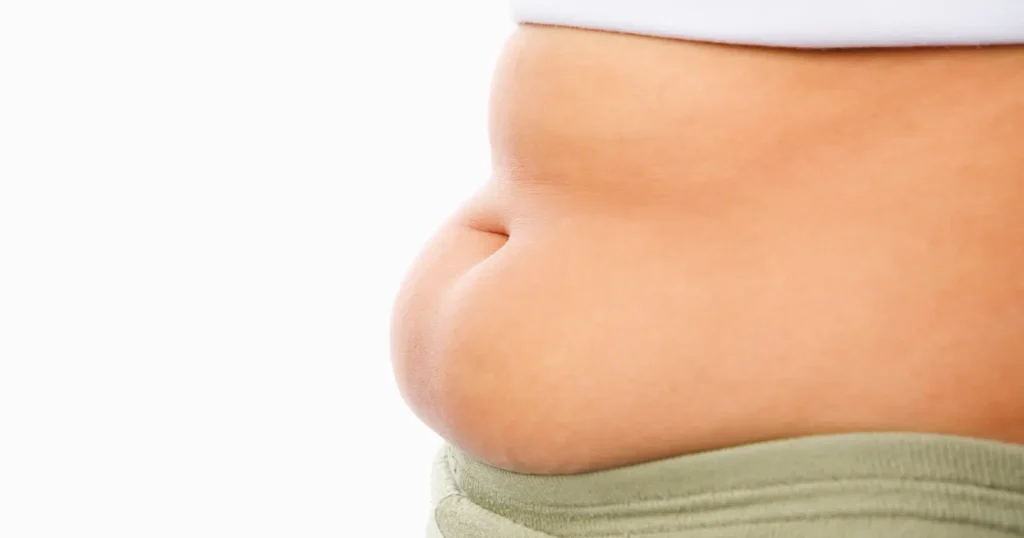
“Cortisol belly” refers to fat that accumulates primarily in the abdominal area due to chronic stress and elevated cortisol levels. Cortisol is your body’s primary stress hormone. When it stays high for long periods—whether from …
What is cortisol belly?
July 8, 2025
“Cortisol belly” refers to fat that accumulates primarily in the abdominal area due to chronic stress and elevated cortisol levels. Cortisol is your body’s primary stress hormone. When it stays high for long periods—whether from emotional stress, poor sleep, overworking, or even intense dieting—it can lead to hormonal fat storage, particularly around the waist.
Unlike regular fat gain from overeating, cortisol belly is more about your body’s biological response to long-term stress. It often presents as a hard, deep belly fat that’s hard to lose—even with diet and exercise.
What causes cortisol belly?
- Chronic stress
Long-term emotional, physical, or mental stress keeps cortisol levels high. This tells the body to store fat—especially in the visceral (belly) area—as a survival mechanism. - Poor sleep habits
Not getting 7–9 hours of quality sleep can disrupt cortisol balance and increase hunger hormones, leading to weight gain in the midsection. - High-sugar or high-fat diets
Eating sugary or processed foods during stress leads to spikes in insulin, which paired with cortisol, promotes fat storage. - Overexercising or intense dieting
Ironically, extreme calorie restriction or high-intensity workouts with no recovery can raise cortisol, leading to belly fat retention despite weight loss efforts. - Hormonal imbalances
Cortisol interacts with insulin, estrogen, and testosterone. When these are out of balance, especially during menopause or andropause, abdominal fat tends to increase.
What are the signs of cortisol belly?
- Fat stored mostly in the upper or lower abdomen
- A hard or thickened waistline even if the arms and legs are slim
- Frequent feelings of stress, anxiety, or burnout
- Sleep problems like trouble falling asleep or waking early
- Sugar cravings or increased appetite under stress
- Fatigue or energy crashes during the day
- Trouble losing belly fat despite exercising
How to reduce cortisol belly naturally
- Manage stress daily
- Practice deep breathing, meditation, or mindfulness
- Try relaxing activities like walking, reading, or time in nature
- Reduce screen time and multitasking
- Sleep smarter
- Stick to a consistent bedtime and avoid screens 1 hour before bed
- Keep your bedroom cool, dark, and quiet
- Aim for 7–9 hours of restful sleep every night
- Exercise moderately
- Prioritize gentle movement like walking, yoga, or pilates
- Combine strength training with light cardio 3–4 days a week
- Avoid long periods of high-intensity workouts without rest
- Eat cortisol-balancing foods
- Focus on whole, unprocessed foods rich in fiber and protein
- Add magnesium-rich options (leafy greens, almonds, bananas)
- Avoid excess caffeine and sugar
- Avoid skipping meals or extreme fasting
- Going too long without eating can spike cortisol and slow metabolism
- Eat balanced meals regularly to support blood sugar and hormone stability
When to visit urgent care
Although cortisol belly itself isn’t a medical emergency, you should visit urgent care or a primary care provider if you experience:
- Sudden weight gain around the belly
- Ongoing fatigue, sleep trouble, or mood changes
- High blood pressure or blood sugar
- Abdominal swelling or pain that doesn’t improve
- Suspicion of a hormonal imbalance or thyroid issue
Urgent care can provide labs, check your hormone levels, and help determine if cortisol is affecting your health.
Final thought
Cortisol belly is your body’s signal that it’s under chronic stress, not just storing extra fat. Addressing the root cause—stress, sleep, and hormone balance—is essential. With the right approach, it’s absolutely possible to calm your system and reduce belly fat over time.
If symptoms get worse or don’t improve, visit your local urgent care provider for professional evaluation.
Hey Did You Know We Have an IV Therapy Spa Inside? Check out our drip menu!
abdominal fat in womenanxiety bellybelly fat despite exercisebelly fat from stresscortisol and weight gaincortisol bellycortisol reducing dietemotional eatingfatigue and belly fathormonal bellyhormone imbalanceIV therapy Miamimagnesium rich foodsmidsection weight gainsleep and weight gainstress belly fatstress management tipsurgent care hormone testingvisceral fat