Passing gas is a normal part of digestion, but if you’re experiencing frequent bloating, constant flatulence, or stomach pressure after nearly every meal, it may be time to look deeper. Excessive gas is often the …
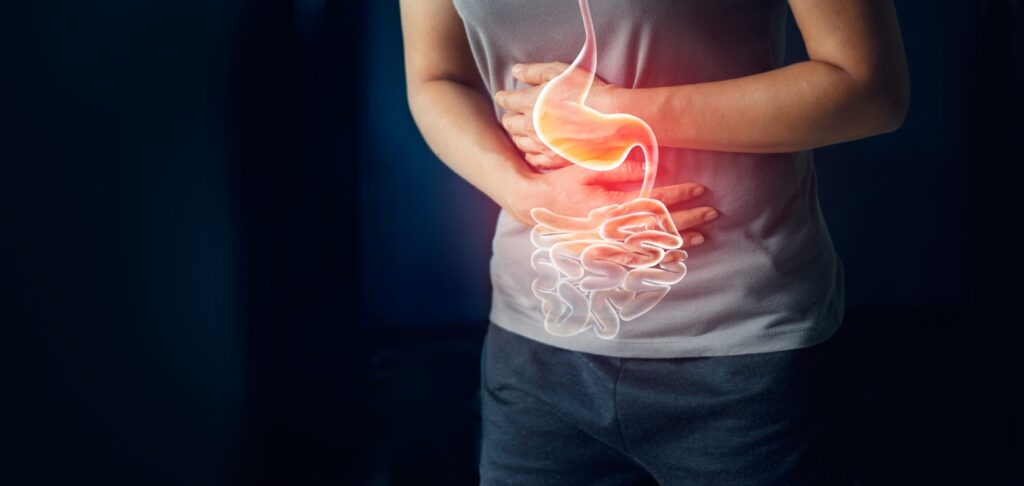
What is the cause of excessive gas?
July 7, 2025
Passing gas is a normal part of digestion, but if you’re experiencing frequent bloating, constant flatulence, or stomach pressure after nearly every meal, it may be time to look deeper. Excessive gas is often the result of a mix of what you eat, how you eat, and how well your digestive system is functioning.
Most common causes of excessive gas
- Swallowing air (aerophagia)
Eating too quickly, drinking through a straw, chewing gum, or talking while eating can cause you to swallow extra air, which gets trapped in your digestive system and released later as gas. - High-fiber foods
While fiber is great for digestion, certain foods (like beans, lentils, broccoli, cabbage, and onions) ferment in the gut, producing extra gas—especially if your body isn’t used to them. - Carbonated beverages
Soda, sparkling water, and beer introduce bubbles into your stomach, which can quickly lead to bloating and belching. - Lactose intolerance
If you’re sensitive to dairy and your body lacks lactase (the enzyme that breaks down lactose), undigested sugars ferment in your gut and produce gas, cramps, and bloating. - Food intolerances or sensitivities
Aside from dairy, many people react poorly to gluten, artificial sweeteners (like sorbitol or xylitol), or fructose—all of which can trigger gas and bloating. - Constipation
When stool builds up in the colon, it blocks the normal path of gas. This can lead to a buildup of pressure, causing discomfort and flatulence. - Imbalance of gut bacteria (dysbiosis)
A lack of healthy gut flora—or an overgrowth of bacteria in the small intestine (SIBO)—can lead to excessive fermentation of foods, producing too much gas. - Overeating or eating fatty meals
Heavy, greasy meals slow digestion and give gas more time to form and build up in the stomach and intestines. - Digestive disorders
Conditions like Irritable Bowel Syndrome (IBS), Celiac disease, Crohn’s disease, or gastroparesis can all cause frequent or chronic gas due to inflammation, slow motility, or poor absorption.
Lifestyle habits that contribute to gas
- Drinking from bottles or straws
- Eating on the go or without chewing thoroughly
- Lying down immediately after meals
- Lack of exercise, which slows digestion
When to worry about excessive gas
While most gas is harmless, see a healthcare provider if you notice:
- Constant bloating or cramping that doesn’t go away
- Pain that worsens with time or is localized to one spot
- Nausea, vomiting, or loss of appetite
- Blood in your stool or black, tarry bowel movements
- Gas that’s accompanied by weight loss or fatigue
- No bowel movement or gas passed for more than 2 days
These could signal a more serious issue, like a bowel obstruction, infection, or gastrointestinal disease that needs urgent care.
How urgent care can help
If gas is interfering with your quality of life or paired with other concerning symptoms, urgent care can:
- Perform a physical exam and evaluate your symptoms
- Order lab tests or imaging if needed
- Rule out serious conditions like infections or obstructions
- Recommend treatments like simethicone, antispasmodics, or diet changes
Final thought
Excessive gas isn’t just uncomfortable—it can be a sign that your digestive system needs attention. By identifying the causes, adjusting your habits, and knowing when to seek medical care, you can take control of your gut health and feel better fast.
If symptoms get worse or don’t improve, visit your local urgent care provider for professional evaluation.
Hey Did You Know We Have an IV Therapy Spa Inside? Check out our drip menu!
bloating after eatingcarbonated drinks gasconstant bloatingdiet and gasdigestion issuesdigestive healthexcessive gas causesflatulence triggersfood intolerancegas and constipationgut bacteria imbalancehigh fiber gasIBSIV therapy Miamilactose intoleranceSIBO symptomsstomach discomfortswallowed airurgent care