You reached for a hot pan, spilled coffee, or got too close to the curling iron—and now your skin is red, stinging, and sore. This kind of injury is most likely a first-degree burn. It’s …
Burned Yourself? Here’s Exactly What to Do for a Mild Skin Burn
July 3, 2025
You reached for a hot pan, spilled coffee, or got too close to the curling iron—and now your skin is red, stinging, and sore. This kind of injury is most likely a first-degree burn. It’s the mildest type of burn, but that doesn’t mean it should be ignored. Fast, proper care can make all the difference in how quickly your skin recovers and how much pain you feel.
Here’s a step-by-step guide to treating a minor burn the right way—starting from the moment it happens.
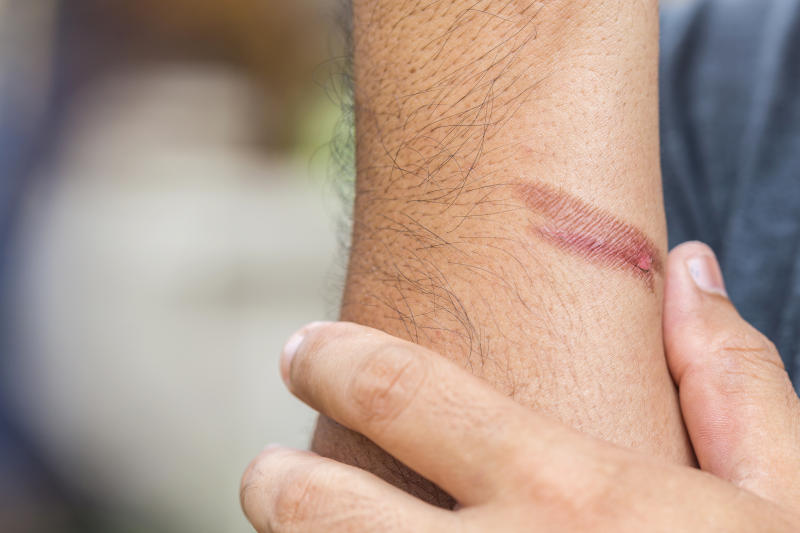
Spotting a First-Degree Burn
First-degree burns only affect the surface layer of the skin. They’re common and usually heal on their own with minimal care, but you’ll still want to treat them properly to avoid complications.
Signs of a first-degree burn include:
- Red, dry, and warm skin
- Mild swelling or tenderness
- Pain that eases over time
- No blisters (if you see blisters, it may be a deeper burn)
- Peeling after a few days is common
What to Do Right After You Get Burned
- Cool It Down Immediately
Place the burned skin under cool (not cold) running water for 10–15 minutes. This helps stop the heat from penetrating deeper and relieves pain. If running water isn’t available, use a clean, cool, damp cloth. - Remove Jewelry or Tight Items Nearby
Swelling can set in quickly, so if the burn is on a hand, wrist, or ankle, gently remove rings, bracelets, or tight clothing. - Gently Clean the Burn
Once cooled, wash the area with mild soap and lukewarm water. Avoid scrubbing or using alcohol, peroxide, or iodine-based cleansers, which can irritate the skin further. - Moisturize the Area
Apply aloe vera gel or a fragrance-free moisturizer to help hydrate and soothe the skin. Avoid greasy ointments like petroleum jelly for the first day—they can trap heat in the tissue if used too soon. - Cover Only if Necessary
Most first-degree burns heal best when left uncovered in a clean environment. If the area is likely to rub against clothing or get dirty, use a non-stick sterile bandage. - Take Over-the-Counter Pain Relief
Ibuprofen or acetaminophen can help reduce both pain and swelling. Always follow the directions on the label.
What to Avoid
- Do not apply ice or frozen packs – These can cause further damage to already compromised skin.
- Don’t use butter, oils, or toothpaste – These home remedies can worsen irritation and increase infection risk.
- Do not pop any blisters – First-degree burns typically don’t blister, but if one appears, leave it alone.
- Don’t scrub or exfoliate – Allow the skin to heal naturally without interference.
When to See a Healthcare Provider
Even small burns can turn serious depending on their location and how your body responds. Head to urgent care if:
- The burn affects the face, hands, feet, groin, or a joint
- It covers a large area or several areas
- Pain worsens or lingers beyond two days
- The skin becomes hot, swollen, or oozes pus
- You’re unsure if it’s deeper than a first-degree burn
A quick visit can rule out complications and provide peace of mind.
Healing Tips for Aftercare
- Keep it moisturized – Daily application of aloe or fragrance-free lotion helps maintain skin health
- Avoid sun exposure – The area will be more sensitive to UV rays
- Wear loose clothing – Let the skin breathe while preventing friction
- Let skin peel naturally – Don’t pick or peel flakes as this can cause scarring
Most first-degree burns heal within 3 to 7 days. By keeping the area clean and moisturized, you’re supporting your body’s natural recovery process.
Minor burns are a common part of life, but they don’t have to cause lasting damage. With calm, immediate action and smart follow-up care, you can manage pain and avoid complications right at home.
If symptoms get worse or don’t improve, visit your local urgent care provider for professional evaluation.
Hey Did You Know We Have an IV Therapy Spa Inside? Check out our drip menu!