
A first-degree burn can happen in an instant—touching a hot pan, spilling coffee, or brushing against a curling iron. While these burns usually only affect the top layer of skin, they can still be painful …
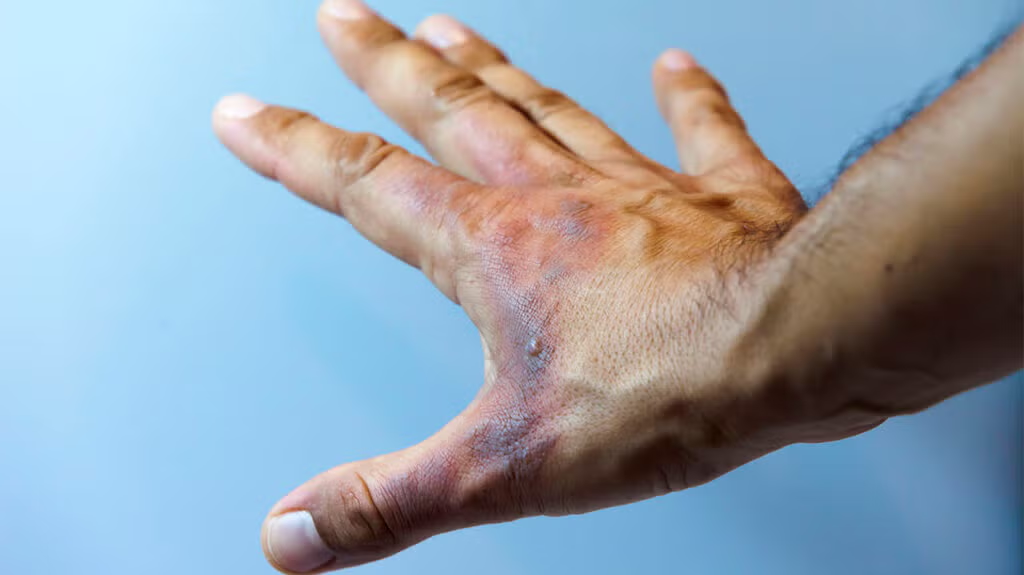
What to Do Immediately After a Minor Burn (First-Degree)
July 2, 2025
A first-degree burn can happen in an instant—touching a hot pan, spilling coffee, or brushing against a curling iron. While these burns usually only affect the top layer of skin, they can still be painful and require prompt care to reduce discomfort and speed healing.
Here’s exactly what to do right after a minor burn to ensure proper recovery and avoid complications.
Step-by-Step: Treating a First-Degree Burn at Home
- Remove the Source of Heat Immediately
Move away from the heat source and turn off any appliance or tool involved. This stops the burn from worsening. - Cool the Burn Right Away
Run cool (not ice-cold) water over the affected area for 10–15 minutes. This helps draw heat out of the skin and reduce pain and swelling. - Avoid Ice or Ice Water
Ice can cause further skin damage. Stick to cool running water or a clean, damp cloth. - Pat the Area Dry Gently
Use a clean, soft towel to gently dry the area after cooling. Don’t rub the skin. - Apply an Aloe Vera Gel or Burn Ointment
Aloe vera can soothe the skin and support healing. You can also use over-the-counter burn creams made specifically for minor burns. - Cover the Burn with a Non-Stick Bandage (Optional)
If the burn is in an area prone to friction (like your hand or foot), lightly cover it with a sterile, non-stick bandage to protect the skin. - Take Pain Relief if Needed
Over-the-counter pain relievers like ibuprofen or acetaminophen can help reduce discomfort and inflammation. - Leave Blisters Alone
First-degree burns typically don’t blister. If any form, do not pop them—this increases infection risk.
What to Watch Out For
You should visit urgent care if:
- The burn covers a large area of the body
- It’s located on the face, hands, feet, genitals, or a joint
- The pain worsens after the first day instead of improving
- You notice swelling, pus, or redness spreading from the burn site
- You have a fever or feel unwell
- You’re unsure whether it’s a first- or second-degree burn
Prompt evaluation can help prevent scarring and catch infection early.
Helpful Tips & Common Myths
- ❌ Myth: Apply butter or oil to burns – These can trap heat and make it worse
- ✅ Tip: Keep burn ointment in your home first aid kit – Aloe or hydrogel products are soothing and effective
- ❌ Myth: If it doesn’t blister, it’s not serious – First-degree burns still need care to prevent infection and support healing
- ✅ Tip: Avoid sun exposure on healing skin – Burned skin is extra sensitive to UV rays
If symptoms get worse or don’t improve, visit your local urgent care provider for professional evaluation.
Hey Did You Know We Have an IV Therapy Spa Inside? Check out our drip menu!



















