
If you’re experiencing a non-life-threatening illness or injury and need medical attention quickly, an urgent care center can be the ideal solution. Whether it’s your first time or you’re just unsure about the process, knowing …
What to Expect During Your First Visit to Urgent Care
June 5, 2025
If you’re experiencing a non-life-threatening illness or injury and need medical attention quickly, an urgent care center can be the ideal solution. Whether it’s your first time or you’re just unsure about the process, knowing what to expect can help you feel more at ease and ensure your visit goes smoothly.
1. Walk-In Access and Flexible Hours
One of the biggest advantages of urgent care centers is their convenience. Most locations are open beyond regular business hours, including evenings and weekends. You don’t need an appointment—just walk in when you need care. This makes urgent care a great option when your primary care doctor isn’t available and the emergency room isn’t necessary.
2. Initial Check-In Process
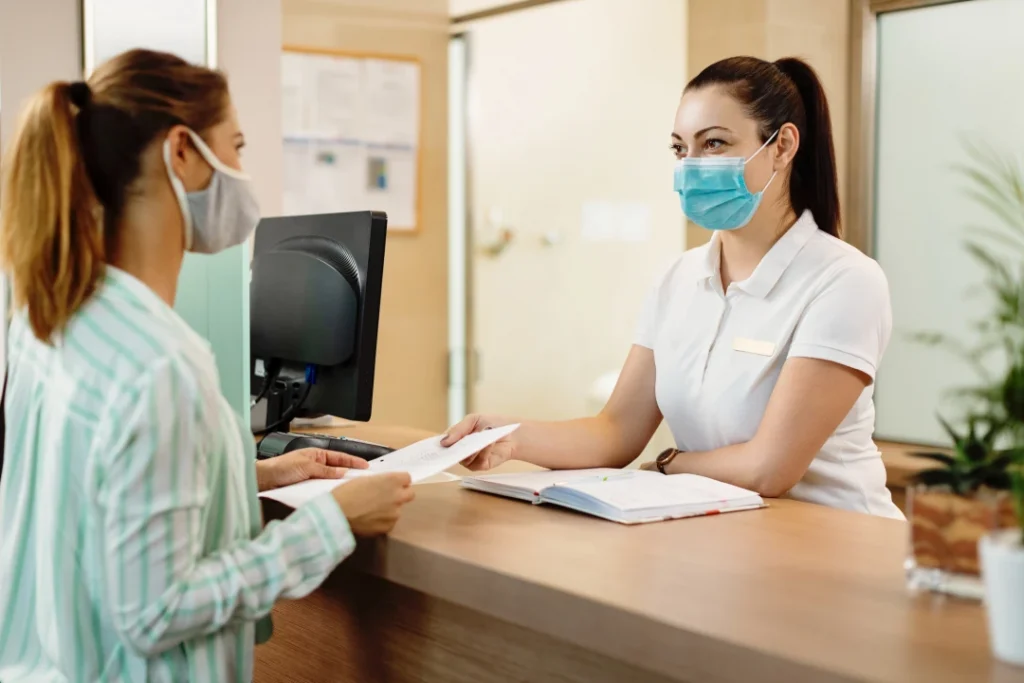
Upon arrival, you’ll be greeted by the front desk staff who will ask for your identification and insurance card, if you have one. If you’re uninsured, urgent care centers typically offer transparent and affordable pricing. You’ll also be asked to fill out forms detailing your symptoms, medical history, and any current medications.
3. Shorter Wait Times
While wait times can vary based on how many patients are ahead of you and the severity of their issues, they are usually much shorter than those at an emergency room. Many urgent care centers also provide estimated wait times online or through mobile apps, so you can plan accordingly.
4. Medical Evaluation
Once it’s your turn, a nurse or medical assistant may take your vitals—like temperature, blood pressure, and heart rate—before a provider sees you. The healthcare professional will evaluate your symptoms, perform an exam, and may order basic diagnostic tests such as X-rays or lab work, which are often available on-site for quicker results.
5. Treatment and Follow-Up Care
Based on your condition, the provider will recommend a treatment plan. This could include prescription medications, stitches for cuts, or splints for minor fractures. If your condition requires specialized care or a hospital visit, the provider will advise you and may refer you to the appropriate facility.
6. Affordable, Transparent Pricing
Urgent care is generally more cost-effective than an ER visit, especially for non-emergency concerns. Before proceeding with any procedures or tests, you can ask the staff about costs. Many clinics offer flat fees or discounts for self-pay patients.
7. Aftercare Instructions
Before you leave, you’ll receive written instructions for at-home care and any necessary prescriptions. You might also be asked to follow up with your primary care provider or return to the urgent care for a re-check.
8. Peace of Mind
Whether you’re dealing with a bad cold, a minor injury, or sudden pain, urgent care offers peace of mind knowing that professional help is readily available. The staff is trained to handle a wide variety of health concerns promptly and compassionately.
Your first visit doesn’t have to be stressful. Being informed helps you walk in with confidence and walk out with the care you need.
Call 305-344-CARE (2273) to speak with our team or find your nearest urgent care location today!
beach medical helpbeachside medical clinicdehydration treatment Miamiemergency clinic Miami BeachER alternative Miamifast care South Floridafood poisoning clinicheat exhaustion Miami Beachjet lag recovery IVkid-friendly urgent careMiami Beach health tipsMiami Beach local doctorMiami nightlife recoveryquick STD testing Miamiquick X-rays MiamiSouth Beach flu seasonsports injury Miami Beachsunburn treatment Miamiurgent care for travelerswound care clinic



















