We’ve all experienced a red or bloodshot eye at some point—after a poor night’s sleep, during allergy season, or from staring at a screen for hours. In many cases, it’s nothing serious. But sometimes, eye …
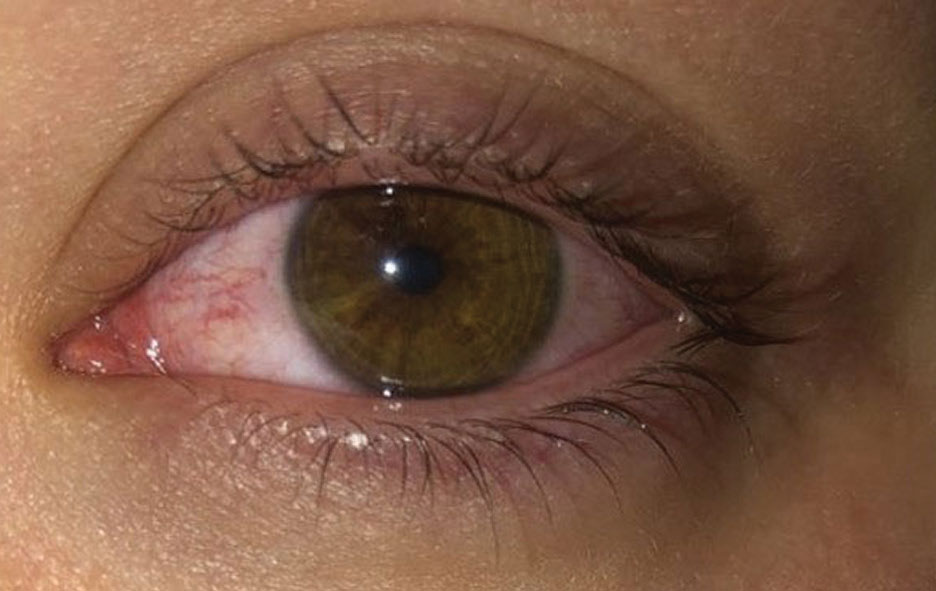
Is That Red Eye an Infection? Here’s How to Tell
July 3, 2025
We’ve all experienced a red or bloodshot eye at some point—after a poor night’s sleep, during allergy season, or from staring at a screen for hours. In many cases, it’s nothing serious. But sometimes, eye redness is a sign of something more: an infection that may require medical care.
Understanding the difference between irritation and infection is important to avoid delays in treatment and protect your eye health.
When Redness Is Just Irritation
Some eye redness is caused by harmless, short-term irritation. Common causes include:
- Dry air or windy environments
- Seasonal allergies
- Smoke exposure or swimming in chlorinated water
- Fatigue or prolonged screen use
- Rubbing your eyes frequently
- Wearing contact lenses too long
In these situations, redness often resolves within a day or two with simple care—like using artificial tears or getting some rest.
Signs Your Red Eye Might Be Infected
An eye infection typically involves more than just redness. It may affect the surface of your eye, the inner eyelids, or even deeper structures. Here’s what to watch for:
- Colored discharge
Yellow or green pus-like discharge, especially if it crusts over, suggests a bacterial infection. - Sticky eyelids in the morning
Eyes glued shut on waking could indicate conjunctivitis. - Pain or burning
Discomfort that’s more than a mild itch may point to inflammation or a stye. - Watery or teary eyes with redness
Could be a sign of viral conjunctivitis, especially if it spreads to both eyes. - Blurry vision or light sensitivity
These symptoms warrant urgent evaluation—they could point to more serious infections like keratitis. - Swollen or puffy eyelids
Infection-related swelling is typically localized and may be painful. - A sensation of something in your eye
A gritty feeling can accompany viral infections or corneal irritation.
Home Care for Mild Redness (Non-Infectious)
If your red eye isn’t painful and you have no discharge or vision changes, you can try the following remedies at home:
- Apply a cool, clean compress to reduce redness
- Use preservative-free artificial tears
- Limit screen time and get extra rest
- Remove and avoid contact lenses until symptoms resolve
- Avoid rubbing your eyes to prevent additional irritation
If there’s no improvement in 48 hours—or if symptoms worsen—it’s time to consider infection as a possible cause.
When to Visit Urgent Care
See a healthcare provider promptly if you notice:
- Mucus or crusting that returns throughout the day
- Moderate to severe eye pain or pressure
- Redness that worsens or spreads to the other eye
- Blurry or reduced vision
- Extreme sensitivity to light
- Swelling that interferes with eye movement
- You’ve recently had eye surgery or an eye injury
- You wear contact lenses and experience new redness or discomfort
Eye infections can progress quickly, so early diagnosis is key.
What to Avoid
Certain habits can worsen infection or prolong healing:
- ❌ Don’t use redness-relieving drops for more than a few days
- ❌ Don’t wear contact lenses or eye makeup while symptoms are active
- ❌ Don’t share eye products or towels
- ❌ Don’t self-treat with leftover prescription eye drops
Tips to Help Prevent Eye Infections
To reduce your risk of eye infections in the future:
- Wash your hands before touching your face or handling lenses
- Disinfect or replace contact lenses and cases as recommended
- Don’t share cosmetics or personal hygiene items
- Replace eye makeup every 3–6 months
- Avoid touching your eyes with unclean hands
A little redness might not seem like a big deal—but if it comes with other symptoms, don’t brush it off. Your eyes are sensitive, and timely care can make all the difference.
If symptoms get worse or don’t improve, visit your local urgent care provider for professional evaluation.
Hey Did You Know We Have an IV Therapy Spa Inside? Check out our drip menu!