A red or bloodshot eye is a common issue, but how do you know when it’s something more than just dryness or fatigue? Eye redness can signal anything from minor irritation to a potentially contagious …
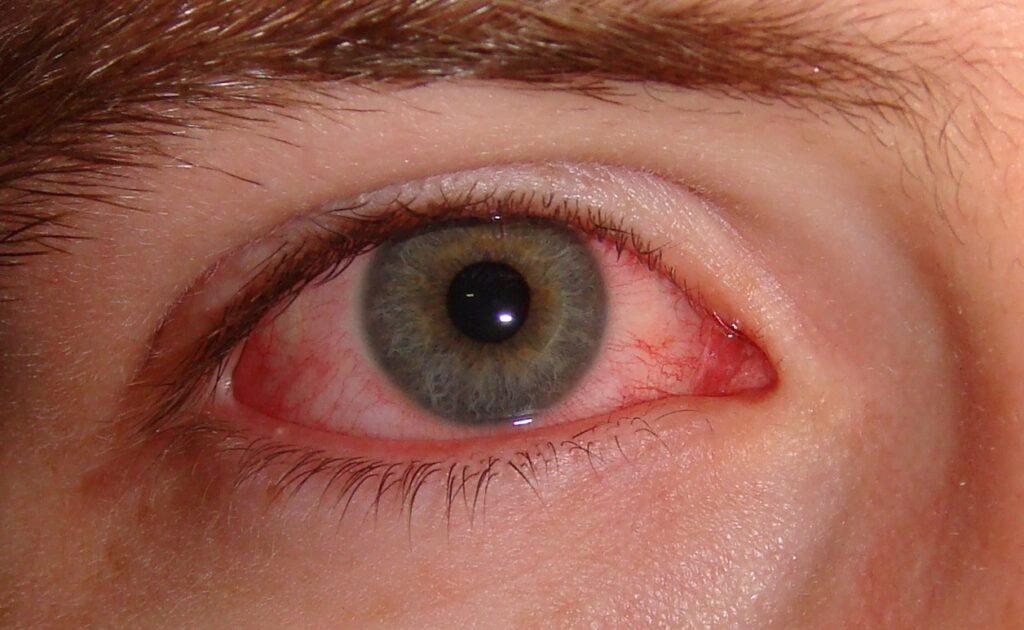
How to Recognize When Red Eyes Are a Sign of Infection
July 3, 2025
A red or bloodshot eye is a common issue, but how do you know when it’s something more than just dryness or fatigue? Eye redness can signal anything from minor irritation to a potentially contagious or harmful infection. Knowing how to spot the difference is essential for protecting your vision and preventing complications.
Here’s what you should know if you wake up with red eyes—or if one starts bothering you out of the blue.
Everyday Causes of Eye Redness
Not every red eye needs medical attention. Some of the most common non-infectious causes include:
- Allergies (pollen, pets, dust)
- Dry indoor air or wind exposure
- Prolonged use of digital devices
- Wearing contact lenses too long
- Rubbing the eyes frequently
- Exposure to chlorine in pools or smoke
These forms of redness usually go away on their own within a day or two, especially if you use lubricating eye drops and rest your eyes.
When Redness Means Trouble: Signs of an Infection
Sometimes, eye redness is your body’s warning that something is wrong. Infections like conjunctivitis (pink eye), keratitis, or a stye often come with other symptoms. Here’s how to tell:
- Discharge or mucus
Yellow or green discharge often signals a bacterial infection. Watery discharge could be viral. - Stuck eyelids in the morning
Waking up with eyelids crusted shut can be a sign of pink eye. - Pain or burning sensation
A sharp or persistent burning feeling isn’t normal for simple irritation. - Blurred or hazy vision
If your vision becomes cloudy or unfocused, it’s time to get checked. - Sensitivity to light
Pain when looking at bright lights may indicate a more serious issue. - Puffy or swollen eyelids
Swelling could mean inflammation of the eyelids or a developing stye. - Spreading symptoms
Infections often start in one eye and move to the other if untreated.
What You Can Safely Try at Home
If your symptoms are mild and don’t involve discharge or vision changes, here are a few steps you can take:
- Use preservative-free artificial tears a few times daily
- Apply a cold compress to reduce redness and swelling
- Avoid using contact lenses until redness clears
- Take breaks from screens and get enough sleep
- Always wash your hands before touching your face
If symptoms persist longer than 48 hours, worsen, or spread to the other eye, seek medical care.
When to Head to Urgent Care
Visit an urgent care center or eye specialist if you notice:
- Moderate to severe pain in the eye
- Blurry or reduced vision
- Sensitivity to light
- Discharge that returns throughout the day
- Eyelids swollen shut
- Redness spreading to both eyes
- You wear contacts and develop new symptoms
- You’ve recently had eye surgery or trauma
Quick diagnosis and treatment—usually with antibiotic or antiviral eye drops—can relieve discomfort and prevent further damage.
What Not to Do
While waiting to be seen, avoid these common mistakes:
- Don’t use leftover or someone else’s eye drops
- Don’t wear contact lenses or eye makeup
- Don’t rub your eyes, as this can spread bacteria or worsen irritation
- Don’t ignore symptoms that are getting worse or aren’t improving
Tips to Prevent Eye Infections
Here’s how to reduce your risk of future infections:
- Wash hands before touching your eyes or handling lenses
- Clean contact lenses properly and replace them as scheduled
- Avoid sharing cosmetics, washcloths, or pillowcases
- Replace eye makeup every 3–6 months
- Disinfect your phone, glasses, and pillowcases regularly
Being proactive keeps your eyes healthy and helps prevent the spread of common viruses and bacteria.
A little eye redness isn’t always dangerous—but it should never be ignored if it’s accompanied by pain, discharge, or changes in vision. Your eyes are delicate and deserve quick attention when something feels off.
If symptoms get worse or don’t improve, visit your local urgent care provider for professional evaluation.
Hey Did You Know We Have an IV Therapy Spa Inside? Check out our drip menu!
blurry red eyeconjunctivitis carecrusty eyes in morningdry eye vs infectioneye dischargeeye health tipseye infectioneye pain causeshome care for red eyeslight sensitivitypink eye symptomspuffy eyes redred eye urgent carered irritated eyessticky eye remedystye or eye infectionswollen eyelidurgent eye symptomsvision changes red eye