
A blow to the nose can be painful and startling—whether from a fall, a sports collision, or a stray elbow. It’s not always easy to tell if the damage is serious or just a temporary …
How to Know If a Nose Injury Is More Than Just a Bump
July 3, 2025
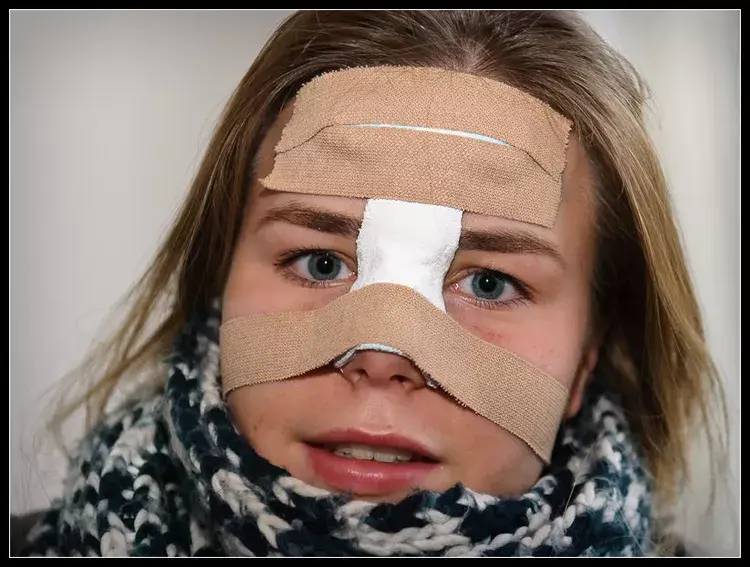
A blow to the nose can be painful and startling—whether from a fall, a sports collision, or a stray elbow. It’s not always easy to tell if the damage is serious or just a temporary bruise. While many nose injuries are minor, a broken nose can cause long-term issues if it’s not treated properly.
Knowing when to monitor it at home and when to visit urgent care can make a big difference in your recovery.
What Actually Happens in a Nose Injury?
Your nose is made of bone in the upper third and cartilage in the lower two-thirds. Either part can be injured during impact. Because the nose is rich in blood vessels and close to sensitive facial structures, swelling and bruising happen fast.
Sometimes, a minor injury just results in soreness and puffiness. But if bones or cartilage are displaced, or bleeding is severe, you may be dealing with a fracture.
Signs It Might Be a Broken Nose
A broken nose (nasal fracture) often comes with more than just soreness. Here are the signs that suggest the injury may be more serious:
- Immediate swelling or deformity
If your nose begins to swell or look crooked right away, that’s a warning sign. - Nosebleed that’s hard to stop
Some bleeding is expected—but it shouldn’t continue for more than 10–15 minutes. - Discoloration around the eyes
“Black eyes” or bruising under both eyes can occur when a nose is broken. - Difficulty breathing through the nose
Blocked airflow may mean the nasal passage is injured or misaligned. - Pain that intensifies instead of improves
If the pain worsens over the first day, the injury may involve a fracture. - Grinding or crunching sounds
Feeling or hearing a crackle when touching your nose could mean broken bone or cartilage.
What You Can Do Right Away
If the injury seems mild and there are no visible deformities, you can try a few simple care steps at home:
- Apply a cold compress or ice pack wrapped in cloth for 10–15 minutes at a time
- Keep your head elevated while resting to reduce swelling
- Avoid blowing your nose, especially in the first 24 hours
- Take an over-the-counter pain reliever (acetaminophen or ibuprofen)
Monitor your symptoms closely for the first 48 hours. If swelling and discomfort improve, the injury may be minor.
When to Seek Medical Attention
Don’t wait to visit urgent care or your healthcare provider if:
- Your nose looks bent, collapsed, or misshapen
- You have trouble breathing through one or both nostrils
- The nosebleed lasts more than 15 minutes or returns repeatedly
- Swelling keeps getting worse after two days
- You notice fluid leaking from the nose (especially if it’s clear and watery)
- You experience severe facial pain or headache
- You’ve had recent nasal surgery or facial trauma
A medical provider may order X-rays or refer you to an ENT specialist to evaluate and realign the nose if necessary.
Things You Should Not Do
- ❌ Don’t attempt to realign your nose at home
- ❌ Don’t ignore breathing changes
- ❌ Don’t apply heat—this can worsen swelling
- ❌ Don’t assume it will fix itself if the shape is clearly altered
Recovery Tips for Nose Injuries
If you’ve been diagnosed with a broken or bruised nose, here are some basic healing guidelines:
- Continue using cold packs during the first 48 hours
- Avoid any activity with a risk of facial contact for at least 6 weeks
- Sleep with your head elevated
- Don’t wear glasses that rest on the bridge of your nose while healing
- Follow up with your doctor if swelling or pain return
Untreated nasal fractures can result in a permanent deformity or breathing issues, so it’s better to check than guess.
A sore nose may not always be serious, but when pain, swelling, or breathing problems stick around, it’s important to rule out a fracture. Getting checked early means faster recovery and fewer long-term problems.
If symptoms get worse or don’t improve, visit your local urgent care provider for professional evaluation.
Hey Did You Know We Have an IV Therapy Spa Inside? Check out our drip menu!



















