Facial injuries can be unsettling, especially when your nose takes the hit. Swelling, pain, and bleeding are common after any nasal trauma—but how do you know when it’s something more serious? A broken nose isn’t …
Is Your Nose Broken? How to Tell If It’s More Than Just a Bump
July 3, 2025
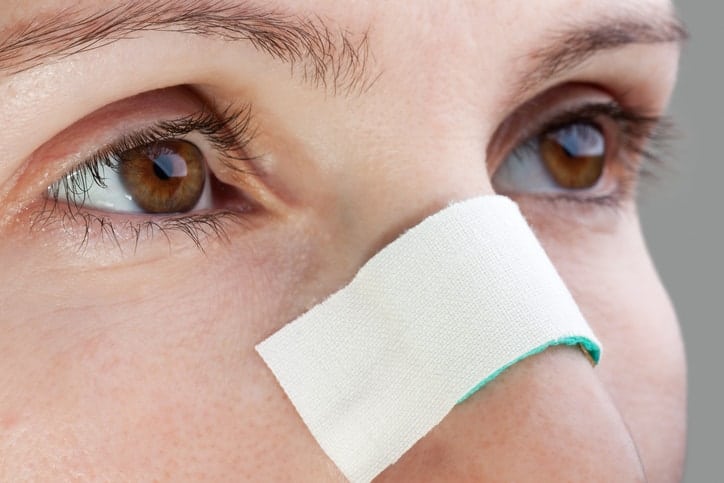
Facial injuries can be unsettling, especially when your nose takes the hit. Swelling, pain, and bleeding are common after any nasal trauma—but how do you know when it’s something more serious? A broken nose isn’t always obvious, but if left untreated, it can lead to long-term problems with appearance, breathing, and healing.
This guide will help you recognize when a nose injury is minor and when it’s time to seek urgent medical attention.
How Nose Injuries Typically Happen
The nose is one of the most prominent and vulnerable parts of the face. Whether you slip in the bathroom, catch an elbow during a game, or bump into something head-on, a nasal injury can happen in seconds. These impacts may injure the cartilage, nasal bones, or both.
Some injuries look worse than they are. Others might not appear serious at first but reveal complications later. Paying attention to the right signs helps avoid delays in treatment.
Signs Your Nose Might Be Broken
Here are the most common symptoms that point toward a possible fracture:
- Obvious Shape Change
A nose that suddenly looks crooked, shifted to one side, or has a new bump may have suffered a break. - Swelling Within the First Hour
Fast-onset swelling—especially if it makes the nose look distorted—could indicate internal damage. - Persistent Bleeding
Nosebleeds are typical after impact, but bleeding that won’t stop after 15–20 minutes may require urgent care. - Difficulty Breathing Through the Nose
Obstruction in one or both nostrils suggests swelling or a misaligned septum. - Bruising Around the Eyes
Dark rings beneath the eyes (“raccoon eyes”) can appear within hours of a nasal fracture. - Crunching or Crackling When Touched
A gritty or grinding sensation beneath the skin might be displaced bone or cartilage. - Pain That Doesn’t Subside
While soreness is expected, increasing or sharp pain after the first day is a red flag.
What You Can Do at Home First
If you’re unsure whether the nose is broken, here are a few safe first aid steps to try:
- Apply Ice: Use a cold compress or ice pack wrapped in a towel for 10–15 minutes at a time. This reduces swelling.
- Keep the Head Elevated: Sit upright or sleep with extra pillows to help fluid drain and minimize puffiness.
- Avoid Blowing the Nose: This can push air into injured tissues and worsen swelling or bruising.
- Use OTC Pain Relief: Acetaminophen or ibuprofen can help reduce discomfort and inflammation.
Watch closely for the next 24–48 hours. If the injury improves, it’s likely a bruise or soft tissue damage.
When You Should See a Healthcare Provider
You don’t need to panic over every nose injury, but it’s smart to get checked if you notice:
- A misshapen or off-center nasal bridge
- Bleeding that won’t stop or keeps returning
- Trouble breathing through the nose
- Clear, watery fluid leaking from the nostrils (may indicate CSF leak)
- Numbness or tingling around the nose or face
- Worsening swelling after two days
- Recent facial surgery or history of nasal issues
An urgent care visit can provide a physical exam and, if necessary, imaging. If a fracture is confirmed, treatment options may include manual realignment, splinting, or ENT referral.
Mistakes to Avoid After a Nose Injury
- ❌ Don’t try to straighten your nose at home
- ❌ Don’t apply pressure if the shape has changed
- ❌ Don’t resume sports or high-risk activity too soon
- ❌ Don’t ignore worsening symptoms
Recovery Tips
Most minor nasal fractures heal in a few weeks with proper care. If your provider confirms the break is stable:
- Continue using ice as recommended
- Avoid wearing glasses that sit on the bridge of the nose
- Refrain from contact sports for at least six weeks
- Use saline nasal sprays if advised to keep airways clear
Healing from a nasal injury takes time, but prompt attention prevents long-term nasal deformity and breathing issues.
If symptoms get worse or don’t improve, visit your local urgent care provider for professional evaluation.
Hey Did You Know We Have an IV Therapy Spa Inside? Check out our drip menu!
broken nose signscrooked nosedifficulty breathing noseENT urgent carefacial injury symptomsfacial trauma carefirst aid broken nosehome care broken nosehow to ice nose injurynasal bone injurynasal fracturenasal obstructionnasal septum injurynose bleedingnose pain treatmentnose swelling reliefraccoon eyes bruiseswollen noseurgent care nose injury