If you’ve tried dieting, exercising, and lifestyle changes without success, it might be time to get professional help. But with so many types of providers—primary care doctors, endocrinologists, bariatric specialists, and even urgent care—which one …
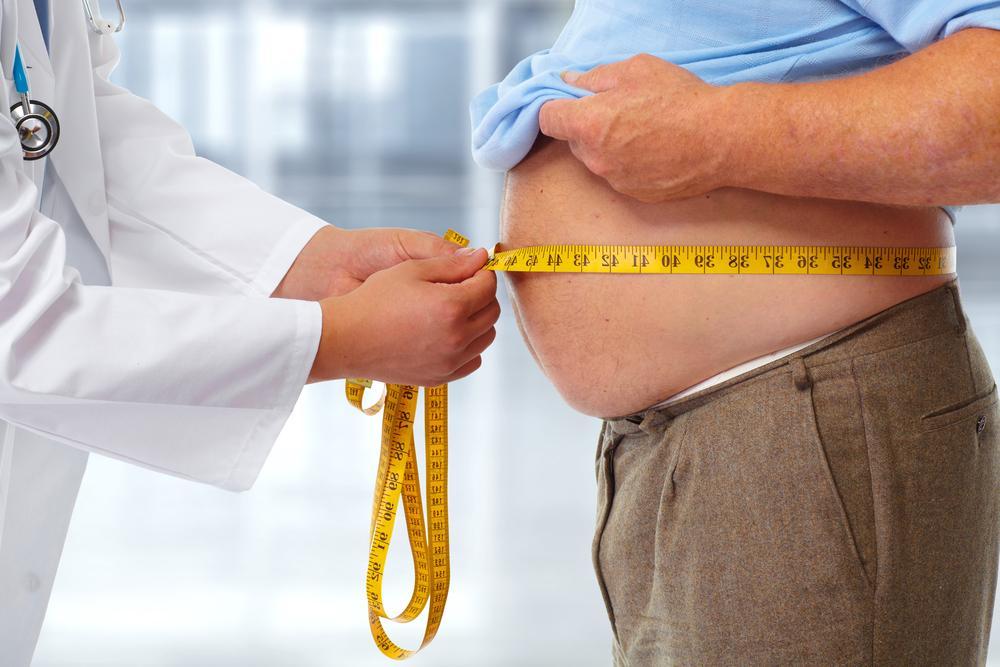
Which doctor should I go to if I want to lose weight?
July 8, 2025
If you’ve tried dieting, exercising, and lifestyle changes without success, it might be time to get professional help. But with so many types of providers—primary care doctors, endocrinologists, bariatric specialists, and even urgent care—which one is right for you?
The best doctor for weight loss depends on your overall health, weight loss history, and whether medical conditions like hormones or insulin resistance are involved.
1. Start with your primary care provider (PCP)
- Most people should start with their primary care doctor. They can:
- Review your overall health, lifestyle, and medications
- Rule out medical causes (like thyroid issues, PCOS, or diabetes)
- Order blood tests or refer you to a specialist
- Prescribe weight loss medications or recommend programs
- Why it’s helpful: Your PCP knows your full medical history and can help create a safe, personalized plan
2. Visit an endocrinologist for hormone-related issues
- If your weight struggles are tied to hormones, an endocrinologist is the right choice
- They specialize in conditions like:
- Hypothyroidism
- Polycystic Ovary Syndrome (PCOS)
- Insulin resistance or prediabetes
- Cushing’s syndrome or cortisol imbalance
- They may adjust medications or suggest hormone-friendly weight loss options
3. Consider a bariatric (weight loss) specialist
- Bariatric physicians focus exclusively on medically supervised weight loss
- Services often include:
- Prescription medications (like semaglutide or phentermine)
- Nutritional coaching and behavioral therapy
- Metabolic testing and body composition analysis
- If your BMI is very high or you’ve tried everything else, they may also discuss weight loss surgery options
4. Visit urgent care for fast help or referrals
- While urgent care isn’t a long-term weight loss provider, it can help with:
- Initial evaluation if you don’t have a regular doctor
- Reviewing blood pressure, labs, and symptoms
- Starting conversations about medications or referrals
- Addressing side effects from weight loss treatments
- It’s a good first step if you’re overwhelmed or not sure where to begin
5. Nutritionists and registered dietitians
- Not doctors, but incredibly helpful—especially when part of a care team
- They can help tailor your eating habits based on:
- Metabolism, allergies, chronic conditions
- Hormonal issues or insulin resistance
- Lifestyle (e.g., shift work, parenting, stress)
6. Mental health professionals for emotional eating
- If stress, trauma, or binge eating affects your weight, therapy can be a vital part of healing
- Look for providers experienced in:
- Disordered eating
- Body image struggles
- Food addiction or stress eating
When to seek help
You should speak to a medical provider if:
- Your BMI is above 30, or above 27 with other health issues
- You’ve tried diet/exercise for 6 months with no lasting results
- You suspect a hormonal or metabolic condition
- You’re experiencing physical or emotional distress related to your weight
Final thought
Losing weight isn’t just about willpower—it’s about working with the right professional who understands your body, your goals, and your challenges. Whether it’s your PCP, a specialist, or urgent care, don’t hesitate to reach out for support.
If symptoms get worse or don’t improve, visit your local urgent care provider for professional evaluation.
Hey Did You Know We Have an IV Therapy Spa Inside? Check out our drip menu!
bariatric physicianbelly fat helpbest doctor for weight lossdietitian vs doctordoctor referral for weight lossendocrinologist for weightfat burner prescriptionhealthy weight loss supporthormone-related weight gainIV therapy and weight lossmedical weight loss programsnutritionist MiamiPCOS doctorPCP for obesitysemaglutide doctorurgent care for weight issuesurgent care weight lossweight loss doctorweight loss help near me