
If you walk away from a routine blood draw with a large or dark bruise, you’re not alone. Bruising at the site of venipuncture is common, but if you seem to bruise easily or more …
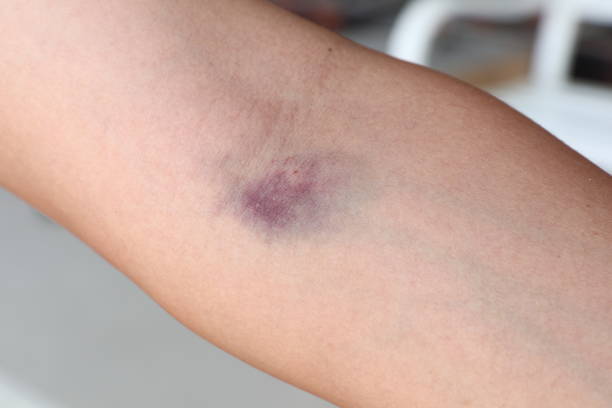
Why do I bruise so bad when blood is drawn?
July 8, 2025
If you walk away from a routine blood draw with a large or dark bruise, you’re not alone. Bruising at the site of venipuncture is common, but if you seem to bruise easily or more severely than others, it can be frustrating—or even concerning.
Let’s break down why this happens, when it’s normal, and when you might want to check in with your healthcare provider.
1. It’s often just a small internal bleed
When a needle punctures a vein to draw blood, it creates a tiny opening. If blood leaks out of the vein into the surrounding tissue before the site seals up, you may develop a bruise.
Mild bruising is a normal reaction, especially if:
- The vein is deep or hard to access
- You move your arm too soon after the draw
- The pressure on the site wasn’t held long enough
2. Your blood may clot slowly
If your body takes longer to form clots, you’re more likely to bruise. This could be due to:
- Medications like aspirin, ibuprofen, warfarin, or blood thinners
- Supplements like fish oil, garlic, turmeric, or vitamin E
- Medical conditions such as liver disease or low platelet count
Always let the phlebotomist know if you’re on anything that affects clotting.
3. Vein size and fragility matter
If you have:
- Small or fragile veins
- Thin skin (common in older adults)
- Frequent blood draws in the same area
…you may bruise more easily, even when the procedure is done correctly.
4. Poor technique or difficult stick
Bruising may also occur if:
- The needle goes through the vein
- The provider had to try multiple times
- The tourniquet was left on too long
Even experienced professionals may occasionally cause bruising depending on your vein structure.
5. You didn’t apply enough pressure afterward
After your blood is drawn, it’s important to:
- Apply firm pressure with gauze for at least 2–3 minutes
- Keep your arm extended, not bent, during that time
- Avoid lifting or strenuous use of the arm for a few hours
Skipping these steps can increase bruising.
6. When should you be concerned?
Most bruises after blood draws are harmless and fade in a few days. However, contact a provider if:
- The bruise is very large, painful, or spreading
- You experience swelling, numbness, or tingling
- Bruising happens frequently without clear cause
- You see unexplained bruises in other areas of your body
These could indicate a clotting disorder, platelet issue, or side effect of medication.
7. How to prevent bruising next time
- Stay hydrated before your appointment—makes veins easier to find
- Let the staff know if you bruise easily or are on blood thinners
- Request a smaller needle if possible
- Hold pressure longer than usual if needed
- Avoid using the arm for heavy lifting afterward
Final thought
Bruising after a blood draw is usually nothing to worry about—just your body reacting to a small internal leak of blood. But if your bruises are large, frequent, or slow to heal, it’s worth talking to your provider to rule out an underlying issue.
If symptoms get worse or don’t improve, visit your local urgent care provider for professional evaluation.
Hey Did You Know We Have an IV Therapy Spa Inside? Check out our drip menu!
arm bruise after lab testblood clotting issuesblood draw bruise causesblood test side effectsblood thinners bruise riskbruise not going awaybruising after blood draweasy bruising reasonslarge bruise after drawneedle stick bruisephlebotomy bruisepreventing bruising blood drawpurple bruise blood drawsensitive veinsurgent care blood workvitamin e bruisingwhen to worry bruisewhy do i bruise easily



















