As the leaves begin to change and the air turns crisp, many people welcome the fall season with open arms. However, for millions of Americans, autumn brings more than just pumpkin spice and cozy sweaters …
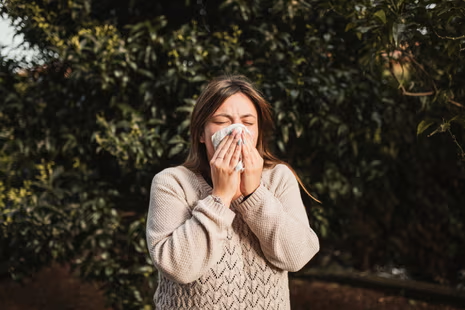
Fall Allergies and When to Seek Help
June 5, 2025
As the leaves begin to change and the air turns crisp, many people welcome the fall season with open arms. However, for millions of Americans, autumn brings more than just pumpkin spice and cozy sweaters — it signals the return of fall allergies. If you find yourself sniffling, sneezing, or battling itchy eyes this time of year, you’re not alone. Understanding the causes, symptoms, and when to seek professional help can make a big difference in managing fall allergies effectively.
What Causes Fall Allergies?
The most common trigger of fall allergies is ragweed pollen, which typically begins releasing pollen in late August and can continue into October or even November, depending on the climate. A single ragweed plant can produce up to a billion pollen grains, and these microscopic particles can travel for hundreds of miles on the wind.
Other culprits include mold spores, which thrive in piles of fallen leaves and damp outdoor areas, and dust mites, which can be stirred up as you turn on your heating system for the first time in months.
Common Symptoms of Fall Allergies
Fall allergy symptoms can mimic those of a cold or sinus infection, which can make them tricky to diagnose without professional guidance. Common symptoms include:
- Sneezing
- Runny or stuffy nose
- Itchy, watery eyes
- Coughing
- Itchy throat or ears
- Sinus pressure or headaches
- Fatigue
If these symptoms persist for more than a week or seem to return at the same time each year, seasonal allergies may be the root cause.
Tips to Reduce Exposure
Managing fall allergies often involves minimizing your exposure to allergens:
- Check pollen counts daily and stay indoors on high pollen days.
- Keep windows closed at home and in the car to prevent pollen from entering.
- Shower and change clothes after spending time outdoors.
- Use a HEPA filter in your HVAC system and vacuum regularly with a HEPA-equipped vacuum.
- Clean up fallen leaves quickly, and wear a mask when doing yard work.
When to Seek Medical Help
While many people manage mild allergy symptoms with over-the-counter medications, such as antihistamines or decongestants, there are times when professional intervention is necessary.
Seek help if you experience:
- Symptoms that persist or worsen despite medication
- Asthma-like symptoms such as wheezing or shortness of breath
- Severe sinus headaches or pressure
- Interrupted sleep due to allergy symptoms
- Frequent colds or sinus infections
You should also see a specialist if you’re unsure whether allergies are causing your symptoms. An allergist can perform specific tests to identify your triggers and help create a personalized treatment plan, which may include immunotherapy (allergy shots) or prescription medications.
Long-Term Relief is Possible
Many people suffer through allergy seasons year after year, not realizing that effective, long-term relief is possible. Allergy testing and customized treatments can significantly improve quality of life and help prevent complications like chronic sinusitis or asthma flare-ups.
Don’t let fall allergies ruin your season. Relief may be closer than you think.
Call 305-344-CARE (2273) to schedule an allergy consultation and take the first step toward breathing easier this fall.
beach medical helpbeachside medical clinicdehydration treatment Miamiemergency clinic Miami BeachER alternative Miamifast care South Floridafood poisoning clinicheat exhaustion Miami Beachjet lag recovery IVkid-friendly urgent careMiami Beach health tipsMiami Beach local doctorMiami nightlife recoveryquick STD testing Miamiquick X-rays MiamiSouth Beach flu seasonsports injury Miami Beachsunburn treatment Miamiurgent care for travelerswound care clinic