
Bug bites are annoying on their own—but when a blister forms, it can make the situation feel more serious. Whether it’s from a mosquito, spider, or ant, a bite that leads to a blister may …
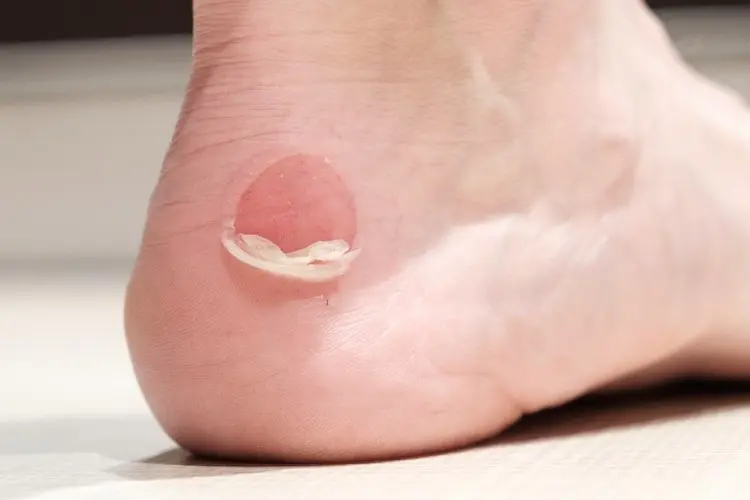
Bite Blisters: To Pop or Not to Pop (And How to Treat Them Safely)
July 3, 2025
Bug bites are annoying on their own—but when a blister forms, it can make the situation feel more serious. Whether it’s from a mosquito, spider, or ant, a bite that leads to a blister may be itchy, uncomfortable, and tempting to pop. But hold off—popping it could cause more problems than it solves.
Here’s what you need to know about treating a bite blister at home and when it’s time to let a medical professional step in.
What Is a Bite Blister and Why Does It Happen?
A bite blister is a small pocket of fluid that develops as part of your body’s natural reaction to skin damage or irritation. In the case of an insect bite, this might happen due to:
- Venom or toxins in the saliva of the insect
- Repeated scratching or rubbing
- An allergic reaction to the bite
The fluid in the blister helps protect the damaged skin beneath and acts as a cushion while healing occurs.
Why You Should Avoid Popping a Bite Blister
Even though popping a blister might bring temporary relief, it can cause more harm in the long run. Here’s why:
- It removes the skin’s natural barrier, exposing sensitive tissue to bacteria.
- It increases your risk of infection, especially if your hands or the surrounding area aren’t sterile.
- It may cause scarring or prolong the healing process.
Unless a blister becomes so large that it’s interfering with daily movement or comfort, it’s best to leave it intact.
Safe Home Treatment for a Bite Blister
If you have a blister from a bug bite, follow these steps to keep it clean and promote healing:
- Wash Gently
Use mild soap and cool water to cleanse the skin around the blister. Avoid strong antiseptics like hydrogen peroxide or alcohol, which can irritate the skin. - Apply a Cold Compress
Reduce swelling and itching with a cold, damp cloth or an ice pack wrapped in a towel. Apply for 10–15 minutes a few times daily. - Use Soothing Creams
Hydrocortisone cream or calamine lotion can help reduce inflammation and itching. Oral antihistamines can also ease allergic responses. - Cover the Blister
Use a nonstick sterile bandage or gauze to protect the blister from friction or accidental popping. Keep the area clean and dry. - Don’t Scratch
Scratching around or on top of the blister increases the chance of rupture and infection. If itching is intense, trim your nails and apply anti-itch remedies more frequently.
When Is It Okay to Drain a Blister?
If the blister is very large, painful, or impairs movement, you may choose to drain it carefully:
- Wash your hands and the skin around the blister
- Sterilize a needle with rubbing alcohol
- Gently puncture the edge of the blister
- Allow the fluid to drain without removing the overlying skin
- Apply antibiotic ointment and cover with a sterile dressing
- Monitor for signs of infection like redness, warmth, or pus
If you feel unsure, have a healthcare provider take a look instead.
When to Visit Urgent Care
Most bite blisters heal on their own within several days. Seek medical attention if:
- The blister becomes red, warm, or filled with yellow/green fluid
- You develop a fever or chills
- The blister is spreading or forming red streaks
- The bite came from a spider or unknown insect
- You have a compromised immune system or underlying health conditions
Timely care can prevent skin infections like cellulitis and reduce the need for more aggressive treatment later on.
How to Prevent Bite Blisters in the First Place
- Wear protective clothing when hiking or outdoors
- Use insect repellent with DEET or picaridin
- Avoid scratching fresh bug bites by applying ice or anti-itch creams early
- Treat bites right away to reduce skin irritation and allergic reaction
Blisters caused by bug bites are usually minor and heal well with good home care. Popping them often leads to more trouble than it’s worth. Focus on protecting the blister, easing discomfort, and letting your body heal on its own.
If symptoms get worse or don’t improve, visit your local urgent care provider for professional evaluation.
Hey Did You Know We Have an IV Therapy Spa Inside? Check out our drip menu!
bandaging a blisterbite blister preventionbite wound careblister after insect bitebug bite blisterclean blister carecold compress for itchingfirst aid for bitehealing insect biteshow to treat bug blistershydrocortisone for biteinfection from blisteritchy blister treatmentmosquito bite blistershould I pop a blisterskin irritationspider bite careurgent care insect bitewhen to pop a blister



















