
After bumping into a table or taking a minor fall, you might notice a dark purple mark forming under your skin. Though it can look dramatic, this kind of bruising is usually part of a …
That Deep-Colored Bruise: Why It Happens and What You Can Do About It
July 3, 2025
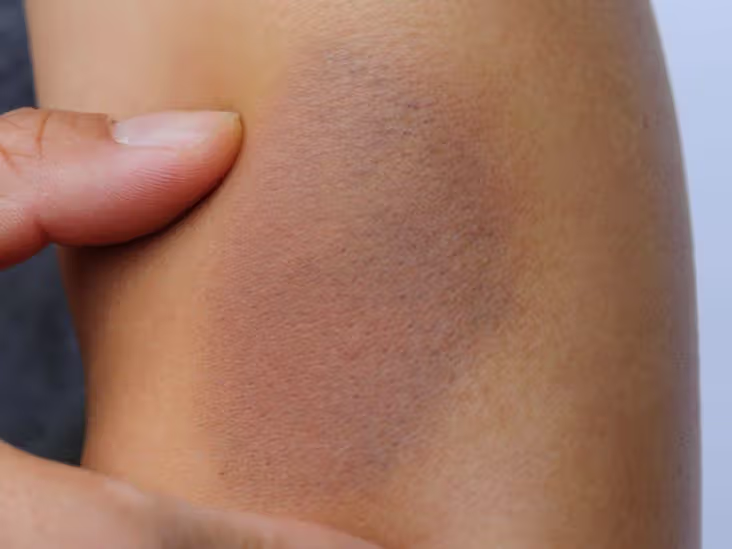
After bumping into a table or taking a minor fall, you might notice a dark purple mark forming under your skin. Though it can look dramatic, this kind of bruising is usually part of a normal healing process. Still, it’s helpful to know what’s happening beneath the surface—and what steps you can take to help your body recover quickly and safely.
What’s Going On Under the Skin?
A bruise, also known as a contusion, forms when small blood vessels (capillaries) break after an impact. The blood leaks into the tissue below the skin, causing discoloration that starts red, turns purple or blue, and eventually fades to green, yellow, or brown as your body reabsorbs the pooled blood.
The purple stage typically lasts a few days and may be accompanied by swelling or tenderness, depending on the severity of the injury.
Simple Steps to Help a Bruise Heal Faster
While most bruises don’t require medical treatment, there are things you can do at home to support the healing process:
- Apply Cold Immediately
Within the first 24–48 hours, place an ice pack (wrapped in a cloth) on the bruised area for 15–20 minutes every few hours. Cold helps reduce bleeding, swelling, and the spread of discoloration. - Elevate the Affected Area
If the bruise is on your arm, leg, or foot, try to keep it raised above heart level when resting. This limits blood flow to the area, which can help reduce the size of the bruise. - Avoid Heat Too Soon
Avoid warm compresses or baths in the first two days. Heat can dilate blood vessels and make the bruise worse initially. - Switch to Warmth After Two Days
Once swelling has gone down, gentle heat (like a warm washcloth) can help stimulate circulation and clear away the remaining blood. - Try Bruise-Reducing Creams
Arnica gel, bromelain cream, or vitamin K-based products may help reduce bruising faster. These are often available at pharmacies without a prescription. - Let Your Body Rest
Overuse of the bruised area can delay healing. Avoid heavy lifting or pressure around the injury until it feels better.
When a Bruise Might Be a Bigger Concern
Occasionally, a bruise may signal something more serious. Seek medical attention if:
- The bruise continues to grow or becomes unusually large
- It’s painful and hard to the touch
- You notice frequent bruising without known injury
- It’s accompanied by dizziness, fatigue, or unusual bleeding
- You feel warmth, see red streaks, or develop a fever
These signs could indicate a hematoma, infection, or underlying medical condition that needs evaluation.
Can You Prevent Bruising?
Yes—especially if you tend to bruise easily. Here are some preventive tips:
- Keep your home well-lit and clutter-free to avoid falls
- Wear protective gear during activities where impact is possible
- Talk to your doctor if you’re on medications like aspirin or blood thinners
- Include foods rich in vitamin C and vitamin K in your diet
- Stay hydrated to maintain skin elasticity
Bruises are usually nothing to worry about—but knowing how to care for them can speed healing and ease discomfort. The next time you spot a purple mark after a bump or tumble, try these tips to recover more quickly and reduce the chances of lingering discoloration.
If symptoms get worse or don’t improve, visit your local urgent care provider for professional evaluation.
Hey Did You Know We Have an IV Therapy Spa Inside? Check out our drip menu!



















