Fevers can be unsettling, especially when your child feels warm and less energetic than usual. But not every fever is a crisis. In most cases, a mild fever is your child’s natural response to a …
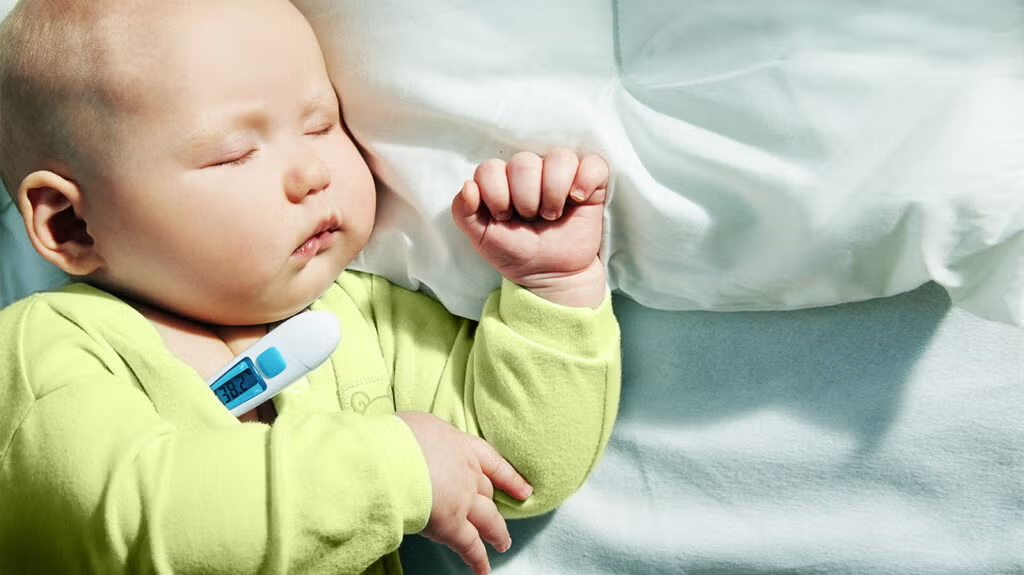
Managing a Mild Fever in Kids: A Calm, At-Home Approach
July 3, 2025
Fevers can be unsettling, especially when your child feels warm and less energetic than usual. But not every fever is a crisis. In most cases, a mild fever is your child’s natural response to a common infection—and it can be managed safely at home with a few supportive steps.
Knowing what to do (and what not to do) helps your child feel better and gives you peace of mind.
What Is Considered a Mild Fever?
A mild or low-grade fever in children is usually between 100.4°F (38°C) and 102°F (38.9°C). It’s often caused by minor viral infections like a cold, sore throat, or mild flu. Fevers in this range typically don’t require emergency care—but they do call for observation and home management.
Step 1: Take Their Temperature and Watch Behavior
Use a digital thermometer for an accurate reading:
- For infants under 3 months: use a rectal thermometer
- For toddlers and older children: oral, ear, or forehead thermometers are effective
Beyond the number, notice how your child is acting. Are they alert, drinking fluids, or showing interest in toys? If so, the fever may not be serious. Children can still be playful and functional with a fever—it doesn’t always mean they’re very ill.
Step 2: Encourage Fluids and Light Rest
Fevers naturally increase fluid loss, so hydration is key. Offer:
- Water
- Electrolyte drinks (pediatric versions)
- Diluted fruit juice
- Broth or warm liquids for older children
Let them rest as needed. Some kids may sleep more than usual during a fever. That’s okay—it means the body is healing.
Step 3: Light Clothing and a Cool Room Help
Avoid bundling them up. Dress your child in light, breathable clothing and cover with a thin sheet or blanket if they feel chilled.
Keep the room comfortably cool (not cold). Open a window or use a fan to circulate air if needed. Allowing excess heat to escape helps regulate body temperature naturally.
Step 4: Use Medication If Comfort Is Affected
You don’t have to reduce a mild fever unless your child is uncomfortable. But if they’re irritable or can’t sleep, you can use:
- Acetaminophen (Tylenol): safe for babies over 2 months
- Ibuprofen (Motrin, Advil): safe for babies over 6 months
Always follow the dosing instructions on the label based on your child’s weight and age. Never give aspirin, as it has been linked to a rare but serious condition in children.
Step 5: Avoid These Common Mistakes
- Cold baths or ice packs can make a child shiver, raising their core temperature
- Alcohol rubs are unsafe and should never be used
- Over-bundling can trap heat and raise fever instead of reducing it
- Waking your child just to give medicine isn’t necessary unless advised by your doctor
Instead, focus on gentle, soothing care and keeping them hydrated.
When to Call the Doctor or Visit Urgent Care
Seek medical attention if your child:
- Is under 3 months old with a fever
- Has a fever lasting longer than 72 hours
- Shows signs of dehydration (no tears when crying, dry lips, sunken eyes)
- Is extremely drowsy or difficult to wake
- Develops a new rash, stiff neck, or labored breathing
- Experiences a seizure or becomes unresponsive
When in doubt, a visit to urgent care can provide clarity and comfort.
Bonus Tips for Parents
- Keep a symptom journal—track temperature readings, medicine doses, and behavior
- Avoid forcing food—focus on fluids first
- Reassure your child with gentle touch and attention—they respond to your calmness
- Don’t panic if the fever returns after medication wears off; it’s often temporary
Fevers can be uncomfortable, but they’re often a sign of healing. With proper home care, most mild fevers resolve in a few days. Pay attention, stay calm, and know when to get help.
If symptoms get worse or don’t improve, visit your local urgent care provider for professional evaluation.
Hey Did You Know We Have an IV Therapy Spa Inside? Check out our drip menu!
child behavior with feverchild fever mythschild fever treatmentchild hydration feverchildhood feverdigital thermometer usefever and restfever and sleephome fever remedieskids comfort carekids health guidemild fever in kidsmild viral illnessOTC meds for kidspediatric fever caresafe fever caresigns of dehydrationtoddler temperature checkurgent care for children