Accidents involving heat are common—whether it’s a brief touch on a hot pan or a splash from boiling water. These incidents often result in what’s known as a first-degree burn: red, painful, and annoying, but …
Quick First Aid for Surface Burns: Simple Steps to Start Healing Fast
July 3, 2025
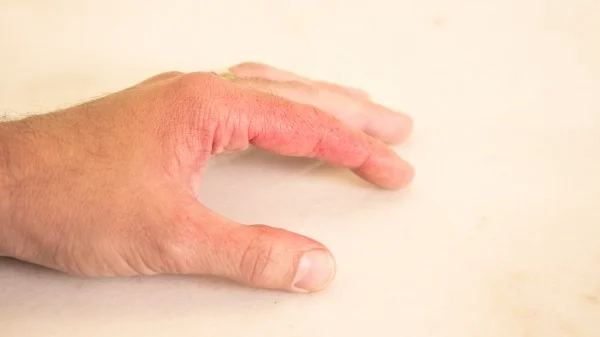
Accidents involving heat are common—whether it’s a brief touch on a hot pan or a splash from boiling water. These incidents often result in what’s known as a first-degree burn: red, painful, and annoying, but typically manageable at home. Acting fast is the best way to ease discomfort and prevent any further skin irritation.
Here’s exactly how to handle a mild skin burn as soon as it happens.
How to Recognize a Surface-Level Burn
A first-degree burn only affects the outer layer of the skin (the epidermis). Unlike deeper burns, it doesn’t cause open wounds or blistering but can still be quite painful.
Typical signs include:
- Redness
- Mild swelling
- Tenderness to touch
- Dry or slightly peeling skin as it heals
These burns usually come from brief contact with a hot object, steam, or mild sun overexposure.
First Things First: What You Should Do Right Away
- Cool the Burned Area Immediately
Run cool (not ice-cold) water over the area for 10–15 minutes, or apply a clean, cool compress. This draws heat out of the skin and helps reduce pain and swelling. - Gently Remove Tight Items
If the burn is on a hand, wrist, or foot, remove rings, watches, or tight clothing while the area is still cool and before swelling begins. - Clean the Skin Carefully
After cooling, use gentle soap and water to clean the burn. Do not scrub—just rinse and pat dry with a soft towel. - Apply a Moisturizer or Gel
Aloe vera gel or a plain, unscented lotion works well to keep the skin calm and hydrated. Avoid any cream with alcohol, fragrances, or thick oils. - Protect if Necessary
If the area might be exposed to dirt, friction, or sunlight, cover it loosely with a non-stick, sterile bandage. Otherwise, keeping it uncovered can promote faster healing. - Use OTC Pain Relief If Needed
Acetaminophen or ibuprofen can help ease pain and lower any inflammation. Follow dosing instructions on the label.
What to Avoid
- No Ice or Icy Water: These can damage the skin further. Use only cool water.
- No Butter, Oil, or Toothpaste: These do not help burns and can worsen irritation.
- No Scratching or Peeling: If the skin starts to flake, let it fall away naturally.
- No Home Remedies You Haven’t Researched: Stick with simple, proven options like water and aloe.
When It’s Time to Seek Medical Help
Although first-degree burns are mild, you should see a provider if:
- The burn covers a large area (more than 3 inches)
- It affects a sensitive area like the face, hands, feet, or joints
- Pain worsens over time instead of improving
- There’s visible infection (increased redness, warmth, pus)
- You’re unsure how severe the burn really is
Urgent care professionals can evaluate the injury, ensure proper healing, and reduce risk of scarring or infection.
Supporting Recovery at Home
After initial care, help the skin heal with these tips:
- Keep the area moisturized
- Avoid hot showers on the burned spot
- Don’t expose healing skin to direct sunlight
- Keep it clean and avoid unnecessary rubbing
- Stay hydrated—healthy skin starts from within
Healing typically takes 3 to 7 days for a first-degree burn. The skin may peel lightly before returning to normal.
A minor burn doesn’t have to lead to major discomfort. With fast action and gentle care, most first-degree burns heal quickly and without complications. The key is to stay calm, use clean materials, and watch for any signs that healing isn’t going as expected.
If symptoms get worse or don’t improve, visit your local urgent care provider for professional evaluation
Hey Did You Know We Have an IV Therapy Spa Inside? Check out our drip menu!