
When a bug bite leaves your skin red, itchy, and swollen, your first thought might be: “Should I use ice or heat?” Both cold and heat have benefits, but using the right one at the …
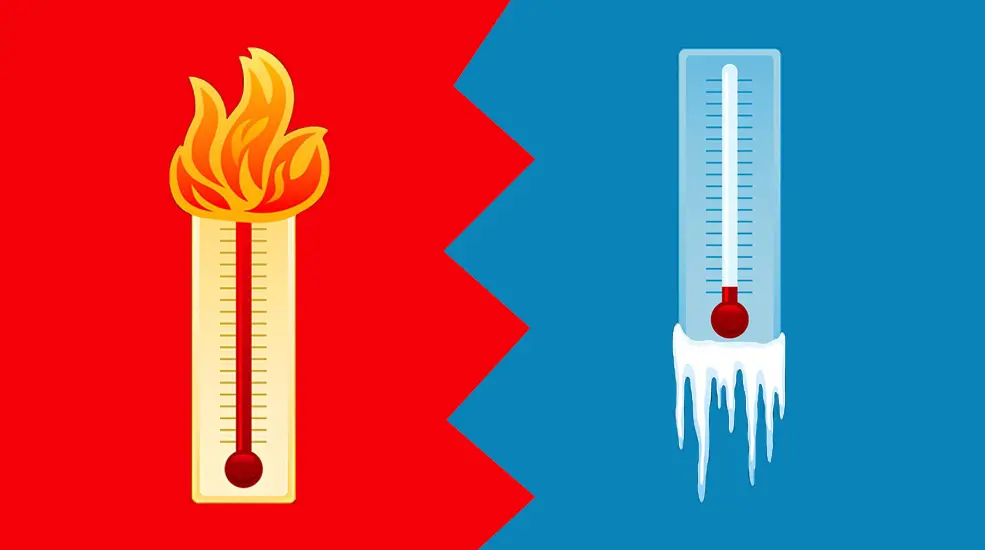
Cold Compress vs. Heat for Insect Bites
July 3, 2025
When a bug bite leaves your skin red, itchy, and swollen, your first thought might be: “Should I use ice or heat?” Both cold and heat have benefits, but using the right one at the right time can make a big difference in how quickly you feel better. Here’s a simple breakdown of when to apply cold, when to use heat, and how to avoid making the bite worse.
Why Do Insect Bites Cause Swelling and Itching?
Insects like mosquitoes, ants, and spiders trigger your body’s immune response when they bite or sting. Histamines are released, causing inflammation, redness, itching, and swelling. The goal of treatment is to calm this reaction, reduce discomfort, and prevent complications like infection.
When to Use a Cold Compress
A cold compress is your go-to in the first 24–48 hours after being bitten or stung.
✅ Best For:
- Reducing swelling
- Numbing pain and itching
- Slowing the spread of inflammation
🧊 How to Use It:
- Wrap a few ice cubes or a cold pack in a thin towel
- Apply to the bite for 10–15 minutes at a time
- Repeat every hour as needed
- Never apply ice directly to bare skin
🌟 Why It Works:
Cold causes blood vessels to constrict (vasoconstriction), which reduces swelling and numbs the area, bringing fast relief.
When to Use Heat Therapy
Warm compresses are best used after the initial swelling has gone down, usually 48 hours later—or in cases where the bite becomes itchy or stiff, but not inflamed.
✅ Best For:
- Promoting circulation to help healing
- Relieving persistent itching
- Soothing stiffness or tightness in the bite area
🔥 How to Use It:
- Soak a washcloth in warm (not hot) water
- Apply to the bite for 10–15 minutes
- Use up to 3 times daily after the first two days
- Discontinue if swelling increases or the skin looks redder
🌟 Why It Works:
Heat helps improve blood flow, bringing immune cells to the area to support healing and relieve tight or itchy sensations.
What Not to Do
- ❌ Don’t apply heat right away: It can worsen swelling in the first 24–48 hours
- ❌ Don’t alternate hot and cold too quickly: This can irritate sensitive skin
- ❌ Don’t scratch: It increases your risk of infection
- ❌ Don’t apply extreme temperatures directly to your skin
When to Seek Medical Attention
See urgent care if:
- The bite becomes more swollen, red, or painful after two days
- You develop fever, chills, or pus
- There are red streaks spreading from the site
- You have a history of allergic reactions to bites or stings
- You were bitten by a spider, tick, or unknown insect
Prompt treatment can prevent infections or other complications.
Bonus Tips
- Use cold compresses during the first day or two
- Switch to warm compresses after swelling subsides
- Combine with antihistamines, hydrocortisone cream, or natural remedies like aloe vera for better relief
- Keep the bite area clean and dry
If symptoms get worse or don’t improve, visit your local urgent care provider for professional evaluation.
Hey Did You Know We Have an IV Therapy Spa Inside? Check out our drip menu!
antihistamine supportbug bite itchingcold compress insect bitecold therapy bug bitesfirst aid for bitesheat for bug biteheat therapy insect bitehome remedieshydrocortisone useice vs heatinsect sting careitchy bite remedymosquito bite carenatural relief for bitesred swollen biteswelling reliefurgent care tipswarm compresswhen to seek care



















