Some insect bites—especially from fire ants, spiders, or other venomous bugs—can leave behind blisters. These fluid-filled bubbles might look tempting to pop, especially if they’re itchy or painful. But should you do it? The short …
Should You Pop a Bite Blister? (And What to Do Instead)
July 3, 2025
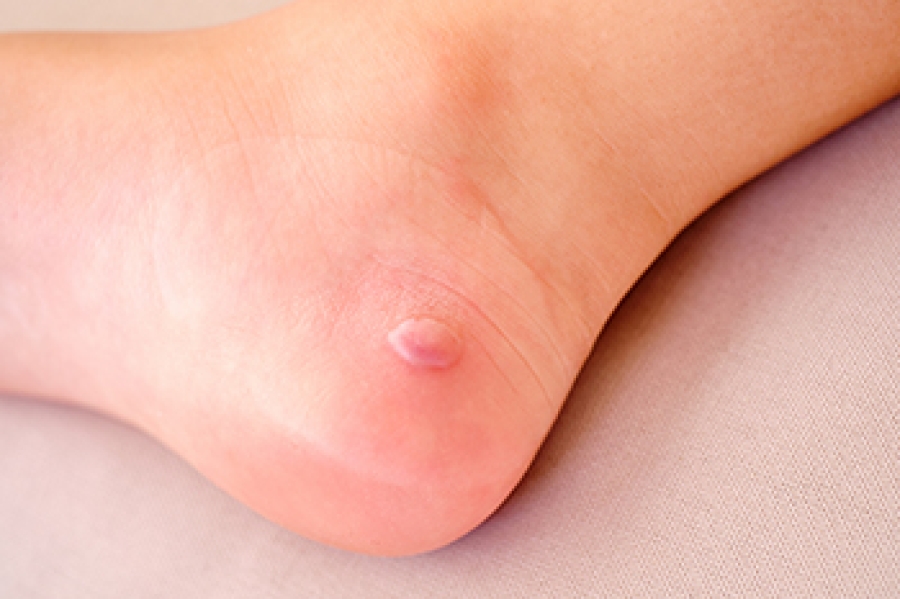
Some insect bites—especially from fire ants, spiders, or other venomous bugs—can leave behind blisters. These fluid-filled bubbles might look tempting to pop, especially if they’re itchy or painful. But should you do it? The short answer: don’t pop a bite blister. Here’s why that’s important and what you should do to support healing instead.
What Is a Bite Blister?
A bite blister is your body’s way of protecting itself. After certain insect stings or bites, the immune system responds with fluid buildup beneath the skin. This forms a blister, which acts as a natural barrier to prevent infection and support healing.
Blisters may appear:
- As a small, clear bubble
- On or around red, swollen skin
- Several hours to a day after the bite
Why You Shouldn’t Pop a Bite Blister
It may feel satisfying to drain a blister—but doing so can actually slow healing and increase your risk of infection.
🚫 Popping Can Lead To:
- Bacterial infection (especially if done with dirty hands or tools)
- Wound exposure, delaying the skin’s natural repair process
- Increased pain, redness, or pus
- Scarring or pigmentation changes
Unless a medical provider advises otherwise, it’s best to leave the blister alone.
What to Do Instead
Here’s how to safely care for a bite blister at home:
1. 🧼 Keep the Area Clean
- Gently wash the area with soap and lukewarm water
- Pat dry with a clean towel
2. 🩹 Protect It
- Cover with a loose, breathable bandage
- Use non-stick gauze if the blister is large or prone to rubbing
3. ❄️ Relieve Itching or Pain
- Apply a cold compress for 10–15 minutes
- Use hydrocortisone cream or calamine lotion for itching
- Take an oral antihistamine if needed
4. 💧 Moisturize, Don’t Irritate
- Avoid alcohol or hydrogen peroxide, which can dry out or irritate the skin
- Use aloe vera gel to soothe and cool
When It’s Okay to Drain a Blister (with Caution)
Only consider draining a blister if:
- It’s very large, painful, or preventing normal movement
- The blister is at risk of tearing from friction
- You’re confident in sterile technique
If draining is necessary:
- Wash your hands thoroughly
- Sterilize a needle with rubbing alcohol
- Gently pierce the edge—not the center—and let the fluid drain
- Leave the skin flap in place as a protective cover
- Apply antibiotic ointment and cover with a clean bandage
If you’re unsure, visit urgent care instead.
Signs You Should Visit Urgent Care
Seek medical care if:
- The blister becomes increasingly red, swollen, or warm
- You notice pus, foul odor, or a yellow crust
- You develop a fever, chills, or body aches
- The blister is near your eye, genitals, or a joint
- You were bitten by a spider or unknown insect
Quick Prevention Tips
- Avoid scratching bites, especially in the first 24 hours
- Use cold compresses and antihistamines to manage itching early
- Wear protective clothing outdoors
- Use insect repellent in high-risk areas
If symptoms get worse or don’t improve, visit your local urgent care provider for professional evaluation.
Hey Did You Know We Have an IV Therapy Spa Inside? Check out our drip menu!
avoid infectionbite blisterblister first aidblister safetybug bite carebug bite swellingcalamine lotionclean blistercold compressfluid-filled bug bitehow to treat blisterhydrocortisone creaminsect sting blisternatural healingshould you pop a blisterurgent care tipswhat to do for bite blisterwhen to seek carewound care