
A sudden nosebleed can feel alarming, especially if the blood flow seems heavy or won’t stop right away. Many people instinctively grab a tissue and plug their nostrils, but stuffing anything up your nose is …
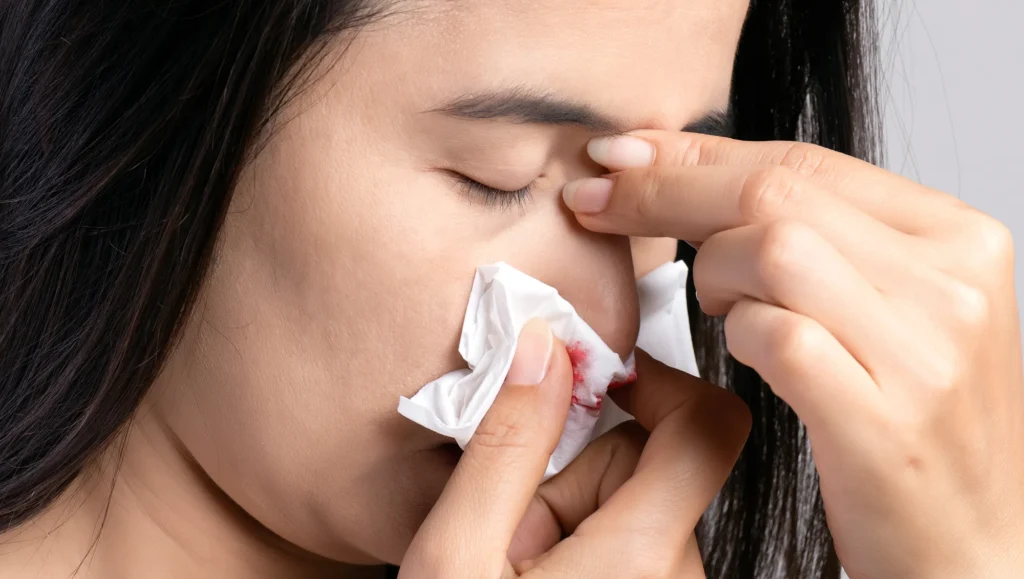
How to Stop a Nosebleed Quickly — Without Stuffing Tissues Up There
July 3, 2025
A sudden nosebleed can feel alarming, especially if the blood flow seems heavy or won’t stop right away. Many people instinctively grab a tissue and plug their nostrils, but stuffing anything up your nose is not the best way to stop a nosebleed. In fact, it can worsen the bleeding or damage the lining of your nose. Instead, use this safe, effective method to stop the bleeding and reduce your risk of future nosebleeds.
Why Nosebleeds Happen
Most nosebleeds come from tiny blood vessels in the front part of the nose, which are delicate and easily irritated. Common causes include:
- Dry air (especially from heaters or AC)
- Nose picking or frequent blowing
- Allergies or sinus infections
- Minor trauma (like bumping your nose)
- Blood-thinning medications
- High blood pressure
In most cases, they look worse than they are—and can be treated right at home.
Step-by-Step: How to Stop a Nosebleed Properly
1. Sit Up and Lean Forward
- Don’t tilt your head back—this can cause blood to run down your throat and lead to coughing or nausea
- Lean slightly forward to let the blood drain out safely
2. Pinch Your Nose (Not the Bridge)
- Use your thumb and index finger to pinch the soft part of your nostrils, just below the bone
- Apply firm pressure continuously for 10 minutes without peeking
3. Breathe Through Your Mouth
- Stay calm and breathe slowly through your mouth
- This helps you relax while pressure works to stop the bleeding
4. Apply a Cold Compress
- Place a cold pack or ice wrapped in cloth over the bridge of your nose
- This helps constrict blood vessels and slow bleeding
5. Avoid Talking, Swallowing Blood, or Tilting Back
- Stay still, avoid swallowing excess blood, and keep your head slightly forward
What to Avoid
- ❌ Stuffing tissues, cotton balls, or paper towels into your nostrils
- This can irritate the lining or pull off healing clots when removed
- ❌ Tilting your head back
- Increases the risk of swallowing blood
- ❌ Blowing your nose too soon afterward
- Can restart bleeding by dislodging clots
Aftercare Tips
- Rest for 30–60 minutes after the bleeding stops
- Avoid hot drinks, strenuous activity, or nose blowing for several hours
- Use a saline nasal spray or humidifier if dry air is a trigger
- Apply a thin layer of petroleum jelly inside the nostrils to prevent dryness
When to Go to Urgent Care
Seek medical attention if:
- The nosebleed lasts longer than 20 minutes, even after proper pressure
- You’re experiencing frequent or repeated nosebleeds
- The bleeding is very heavy, or you’re swallowing large amounts of blood
- You have a bleeding disorder or take blood-thinning medications
- The nosebleed happened after an injury and you suspect a broken nose
If symptoms get worse or don’t improve, visit your local urgent care provider for professional evaluation.
Hey Did You Know We Have an IV Therapy Spa Inside? Check out our drip menu!



















