
Ear infections are a common health issue that affects both children and adults, though they are particularly frequent in young kids. While many ear infections clear up on their own, others can cause significant discomfort …
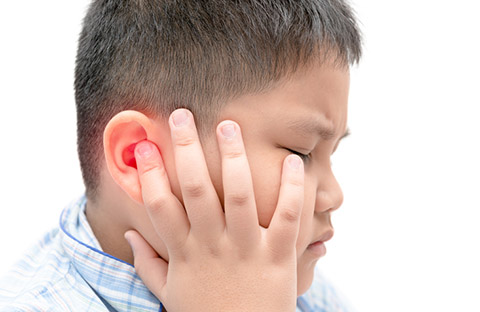
Ear Infections in Children and Adults
June 5, 2025
Ear infections are a common health issue that affects both children and adults, though they are particularly frequent in young kids. While many ear infections clear up on their own, others can cause significant discomfort and may require urgent care. Understanding the signs, causes, and treatment options can help you know when to seek medical attention and prevent complications.
What Is an Ear Infection?
An ear infection, also known as otitis media, occurs when the middle ear becomes inflamed due to a bacterial or viral infection. The infection leads to fluid buildup behind the eardrum, which can cause pain, pressure, and hearing issues. There are also outer ear infections (otitis externa), commonly referred to as “swimmer’s ear,” caused by bacteria in the ear canal.
Why Are Children More Prone?
Children are more susceptible to ear infections because their Eustachian tubes—which connect the middle ear to the back of the throat—are shorter, more horizontal, and can become blocked more easily. When these tubes don’t drain properly, fluid and germs can accumulate in the ear, leading to infection.
Risk factors for children include:
- Attending daycare
- Bottle-feeding while lying down
- Recent cold or respiratory infection
- Allergies or secondhand smoke exposure
Symptoms in Children
Ear infections in children may present differently than in adults. Look for the following signs:
- Tugging or pulling at the ear
- Crying more than usual, especially when lying down
- Trouble sleeping
- Fever
- Fluid draining from the ear
- Difficulty hearing or responding to sounds
- Irritability or clumsiness (due to balance issues)
Symptoms in Adults
Adults with ear infections may experience:
- Sharp or dull ear pain
- Pressure or fullness in the ear
- Temporary hearing loss
- Fluid drainage
- Fever or headache
- Dizziness or imbalance
Although less common in adults, ear infections should still be taken seriously—especially if pain or other symptoms worsen over time.
When to Go to Urgent Care
Not all ear infections require antibiotics, but you should seek urgent care if:
- Pain is severe or persists for more than a day
- There is fluid (clear, yellow, or bloody) draining from the ear
- A high fever accompanies the ear pain (especially in children)
- Hearing loss or dizziness occurs
- A child under six months shows symptoms of an ear infection
- Symptoms return soon after treatment or don’t improve in 48–72 hours
At urgent care, providers can examine the ear using an otoscope, diagnose the infection, and determine whether antibiotics or other treatments are needed.
Treatment Options
Treatment depends on the type and severity of the infection:
- Mild infections may resolve on their own within a few days. Over-the-counter pain relievers and warm compresses can help manage discomfort.
- Bacterial infections may require antibiotics, especially in younger children or if symptoms are severe.
- Recurrent infections might need additional evaluation, and in some cases, ear tubes may be recommended for children with chronic ear problems.
- Outer ear infections are typically treated with antibiotic or antifungal ear drops.
Always complete the full course of any prescribed medication to ensure the infection is fully treated.
Prevention Tips
To reduce the risk of ear infections:
- Avoid exposure to cigarette smoke
- Keep up to date with vaccinations, especially the flu and pneumococcal vaccines
- Breastfeed infants when possible to strengthen immunity
- Practice good hand hygiene to prevent upper respiratory infections
- Avoid inserting foreign objects into the ears
If you or your child is experiencing signs of an ear infection, call 305-344-CARE (2273) for expert evaluation and fast relief. Our urgent care team is here to help you feel better—fast.
beach medical helpbeachside medical clinicdehydration treatment Miamiemergency clinic Miami BeachER alternative Miamifast care South Floridafood poisoning clinicheat exhaustion Miami Beachjet lag recovery IVkid-friendly urgent careMiami Beach health tipsMiami Beach local doctorMiami nightlife recoveryquick STD testing Miamiquick X-rays MiamiSouth Beach flu seasonsports injury Miami Beachsunburn treatment Miamiurgent care for travelerswound care clinic



















