Skin rashes and allergic reactions are among the most common reasons people visit urgent care. While many rashes are mild and resolve on their own, others can be signs of serious allergic reactions that need …
Skin Rashes and Allergic Reactions
June 5, 2025
Skin rashes and allergic reactions are among the most common reasons people visit urgent care. While many rashes are mild and resolve on their own, others can be signs of serious allergic reactions that need prompt medical attention. Understanding the causes, symptoms, and when to seek help can ensure faster relief and prevent complications.
What Causes Skin Rashes?
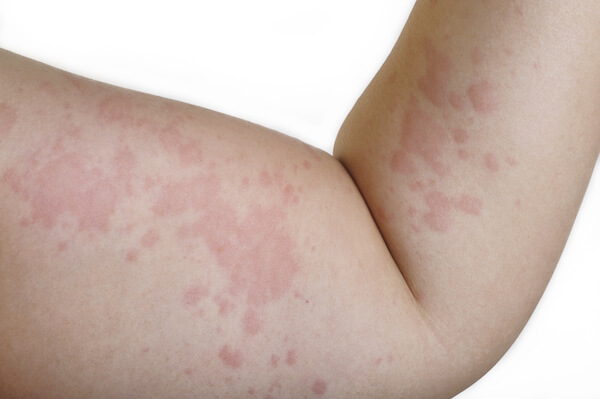
A skin rash is a noticeable change in the texture or color of your skin. It can appear as redness, bumps, blisters, or patches and may be itchy, painful, or dry. Common causes of skin rashes include:
- Allergic reactions: Contact with allergens like poison ivy, certain foods, medications, or skincare products can trigger an immune response that shows up as a rash.
- Irritants: Chemicals in soaps, detergents, or cosmetics can irritate sensitive skin.
- Infections: Bacterial, viral, or fungal infections such as ringworm, shingles, or impetigo can cause rashes.
- Heat and sweat: Hot, humid weather may lead to heat rash or blocked sweat ducts.
- Autoimmune conditions: Diseases like eczema, psoriasis, or lupus can cause chronic skin issues.
What Is an Allergic Skin Reaction?
Allergic reactions occur when the immune system overreacts to a substance it considers harmful, even if it’s normally harmless. This can lead to skin symptoms like:
- Itching
- Redness or swelling
- Hives (raised, red, itchy welts)
- Blistering or peeling skin
- Warmth or tenderness in the affected area
In severe cases, allergic reactions can be part of a systemic condition called anaphylaxis, which can be life-threatening and requires immediate emergency care.
When to Seek Urgent Care for a Rash
Not all rashes need professional treatment, but urgent care is appropriate if:
- The rash spreads rapidly or covers a large area
- It is accompanied by fever, pain, or swelling
- You notice signs of infection like pus, warmth, or red streaks
- The rash appears suddenly and is severe
- You’ve tried over-the-counter remedies with no improvement
- You suspect the rash is from a new medication
- You have other allergy symptoms such as difficulty breathing, dizziness, or facial swelling
Urgent care providers can assess the rash, identify the likely cause, and provide treatment to relieve discomfort and prevent complications.
Treatment Options
Treatment depends on the type and cause of the rash. Options may include:
- Topical corticosteroids to reduce inflammation and itching
- Oral antihistamines for allergic reactions
- Antibiotics or antifungals if the rash is caused by an infection
- Cool compresses or soothing creams to ease irritation
- Removal of the allergen or irritant, if known
Urgent care centers are equipped to diagnose the issue, provide immediate relief, and offer follow-up recommendations.
How to Prevent Skin Reactions
While not all rashes are preventable, these tips can reduce your risk:
- Avoid known allergens and skin irritants
- Use fragrance-free and hypoallergenic skincare products
- Wash new clothes before wearing them
- Wear protective clothing when exposed to plants like poison ivy
- Keep your skin moisturized to prevent dryness and cracking
- Stay cool and dry in hot weather
For individuals with a history of allergies, carrying an antihistamine or epinephrine auto-injector can be lifesaving.
If you’re dealing with a rash or allergic reaction and need fast, expert care, call 305-344-CARE (2273) or walk into our urgent care center for same-day treatment. Relief is just a phone call away.
beach medical helpbeachside medical clinicdehydration treatment Miamiemergency clinic Miami BeachER alternative Miamifast care South Floridafood poisoning clinicheat exhaustion Miami Beachjet lag recovery IVkid-friendly urgent careMiami Beach health tipsMiami Beach local doctorMiami nightlife recoveryquick STD testing Miamiquick X-rays MiamiSouth Beach flu seasonsports injury Miami Beachsunburn treatment Miamiurgent care for travelerswound care clinic