Annual wellness visits are designed to detect early signs of health issues before symptoms appear. While they focus on preventive screenings, lifestyle reviews, and chronic condition management, some visits may also include an electrocardiogram (EKG)—a …
EKGs During Annual Wellness Visits
July 12, 2025
Annual wellness visits are designed to detect early signs of health issues before symptoms appear. While they focus on preventive screenings, lifestyle reviews, and chronic condition management, some visits may also include an electrocardiogram (EKG)—a simple test that records the heart’s electrical activity.
Whether or not an EKG is part of your routine exam depends on your age, symptoms, and risk factors. Knowing when an EKG is appropriate can help you prepare for your appointment and ask the right questions.
What an EKG shows
An EKG provides real-time data about how your heart is functioning. The test measures:
- Heart rate and rhythm
- Electrical conduction across the heart
- Signs of past heart damage or strain
- Abnormalities in the heart’s structure
This information can reveal irregular heartbeats (arrhythmias), signs of hypertrophy, or even previously silent heart attacks.
While not all changes are immediately serious, they can prompt follow-up testing or lead to early interventions that prevent complications later.
When providers include EKGs in a wellness visit
Most annual visits don’t include an automatic EKG unless there’s a reason to perform one. However, providers may add an EKG if:
- You report symptoms like chest discomfort, fatigue, or palpitations
- There’s a family history of sudden cardiac death or heart rhythm problems
- You’re on medications known to affect heart rhythm
- You have conditions like high blood pressure or diabetes
- You’ve had abnormal EKGs in the past and need comparison
- You’re age 65 or older with other cardiovascular risks
For patients in midlife or those with ongoing conditions, EKGs can provide helpful insights into heart health year after year.
Why EKGs may be skipped in low-risk patients
If you’re young, healthy, and not experiencing any concerning symptoms, your provider may not recommend an EKG during your annual visit. That’s because routine EKGs in low-risk patients haven’t been shown to improve outcomes—and can sometimes lead to unnecessary follow-up testing.
Instead, providers focus on:
- Blood pressure
- Cholesterol and glucose labs
- Weight and BMI
- Lifestyle discussions (diet, exercise, smoking)
- Age-appropriate cancer screenings
That said, if you’re curious about your heart rhythm or want a baseline EKG on file, it’s worth asking during your appointment.
How the test is performed
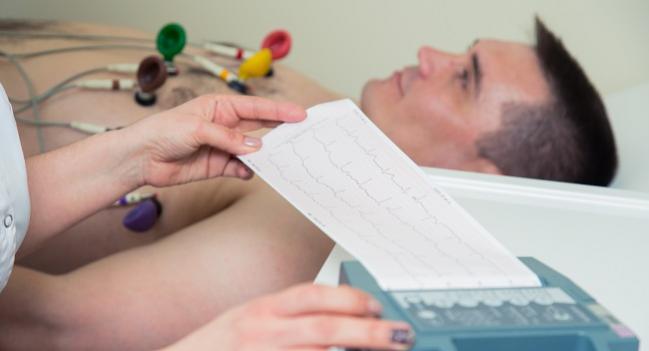
If your provider adds an EKG to your wellness visit, the process is quick and painless:
- Electrode placement – Sticky sensors are applied to your chest, arms, and legs.
- Recording – The machine captures heart activity for about 10 seconds.
- Review – Your provider or a specialist interprets the results and discusses them with you.
You won’t feel anything during the test, and no preparation is needed beforehand.
Benefits of early rhythm detection
Many heart conditions develop gradually, with few early signs. EKGs can detect subtle changes that signal larger problems developing behind the scenes. These include:
- Atrial fibrillation (a common arrhythmia in older adults)
- Heart blocks or conduction delays
- Evidence of left ventricular hypertrophy from long-term high blood pressure
- Patterns that suggest a previous heart attack
Catching these changes early allows for closer monitoring or treatment adjustments—reducing your risk of complications down the road.
EKGs and medication monitoring
Some medications used for mental health, blood pressure, or chronic pain can affect the heart’s electrical system. If you’re on any of the following, your provider may want an annual or periodic EKG:
- Antidepressants (especially tricyclics)
- Antipsychotics
- Certain antibiotics or antifungal medications
- Heart medications that influence rhythm
- Drugs that prolong the QT interval
Regular EKGs in these cases help ensure your treatment remains safe and effective.
Keeping a baseline for future care
Having a baseline EKG on file can be helpful even if your results are normal. If you develop new symptoms later, your provider can compare your current results with your baseline to spot meaningful changes.
This is particularly useful for:
- Patients with family history of heart conditions
- Adults starting new medications
- Athletes who want routine monitoring
- Individuals with fluctuating blood pressure or occasional palpitations
It’s a simple step that adds a valuable reference point for your long-term care.
Takeaway
EKGs aren’t a standard part of every annual wellness visit—but for many adults, they serve as a powerful screening tool when used appropriately. If you’re at risk for heart disease or have symptoms worth investigating, your provider may include an EKG to evaluate your heart rhythm and electrical function. Used in the right context, this quick test can help shape your care plan and give you peace of mind about your heart health.