An electrocardiogram (EKG) provides a snapshot of your heart's electrical activity. While the test itself is quick and noninvasive, the insights it reveals can play a crucial role in guiding your treatment plan—especially when heart-related …
Integrating EKG Results into Your Treatment Plan
July 12, 2025
An electrocardiogram (EKG) provides a snapshot of your heart’s electrical activity. While the test itself is quick and noninvasive, the insights it reveals can play a crucial role in guiding your treatment plan—especially when heart-related symptoms or risk factors are present.
Whether you’re being evaluated for palpitations, chest discomfort, high blood pressure, or simply undergoing a wellness check, understanding how EKG results influence your care can help you better navigate next steps.
What an EKG measures
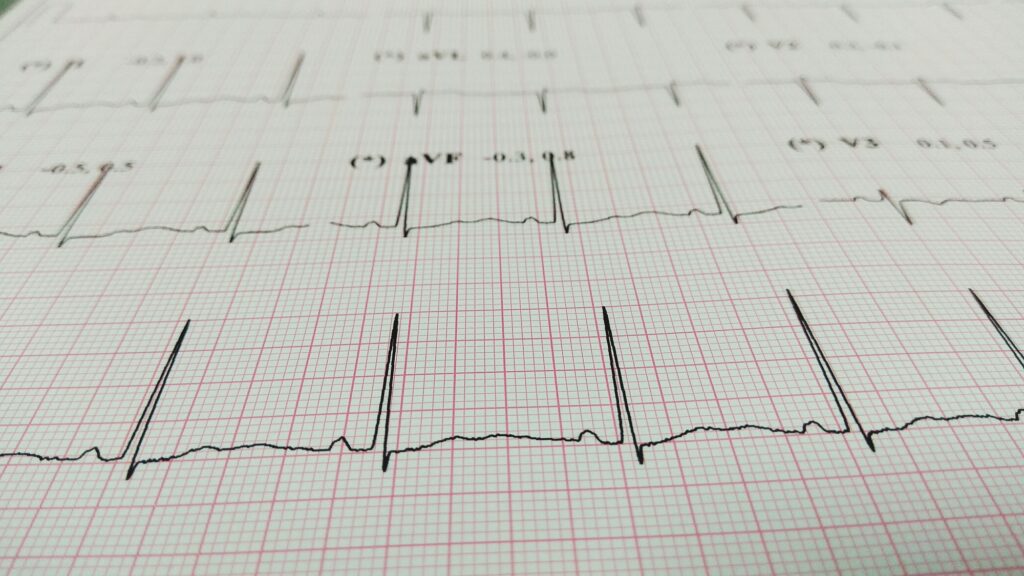
An EKG tracks the timing and strength of the electrical signals that control your heartbeats. It charts this activity as waveforms that reflect different phases of each beat.
From these signals, healthcare providers can assess:
- Heart rate (too slow, too fast, or irregular)
- Rhythm (normal sinus rhythm vs. arrhythmias)
- Electrical conduction through different parts of the heart
- Evidence of previous heart attacks or muscle thickening
- Signs of electrolyte imbalance or medication effects
The findings may either confirm that your heart is functioning normally or reveal issues that require further investigation or management.
Matching findings to symptoms and risk
EKG results are rarely interpreted in isolation. Your provider considers them alongside your:
- Reported symptoms (e.g., shortness of breath, fainting, fatigue)
- Vital signs and physical exam findings
- Medical history and any chronic conditions
- Current medications
Even subtle changes in the EKG can be significant depending on the clinical context. For example, a mild rhythm irregularity in a healthy person may not require treatment, while the same finding in someone with diabetes or prior heart disease might prompt more aggressive follow-up.
Immediate actions based on abnormal results
If an EKG reveals something clearly abnormal—such as atrial fibrillation, a heart block, or evidence of a recent heart attack—your provider may initiate care immediately.
Possible next steps include:
- Starting medications to control rhythm or prevent clots
- Ordering additional tests such as echocardiograms or blood work
- Sending you for urgent cardiology consultation
- Referring you for continuous monitoring with a Holter or event monitor
In some cases, especially in acute care settings, the EKG helps determine whether a patient needs emergency intervention or can safely be treated on an outpatient basis.
Role in long-term management
Even when no immediate treatment is needed, EKGs help shape longer-term care strategies. For example:
- Chronic high blood pressure: EKGs may show left ventricular hypertrophy, guiding medication adjustments
- Stable arrhythmias: EKGs help track rhythm control and determine if additional monitoring is needed
- Medication effects: Some drugs can lengthen the QT interval—a detail providers watch for during follow-up EKGs
- Heart disease risk: Minor changes may signal a need for lifestyle modifications or preventive medications
By integrating these findings into your chart, your care team can develop a clearer picture of how your heart is functioning over time.
Communication with specialists
When needed, EKG findings serve as the foundation for referrals to cardiologists or electrophysiologists. These specialists often request the original EKG printouts or digital files to review before the first appointment.
Based on what the EKG shows, your provider may include the following in your referral:
- Description of the abnormal rhythm or waveform
- Timing of symptoms in relation to the test
- Any treatment already started (such as beta blockers)
- Suggested questions or decisions to be made (e.g., need for ablation or pacemaker)
This collaborative approach ensures your treatment is based on clear, well-documented evidence.
Using serial EKGs for ongoing care
Many heart conditions require regular follow-up with repeat EKGs. This comparison over time allows providers to:
- Evaluate the effectiveness of medications
- Monitor the progression or resolution of abnormalities
- Adjust your care plan based on changes in rhythm or waveform
- Identify early warning signs before symptoms worsen
For people with chronic conditions like atrial fibrillation or heart failure, serial EKGs are a key component of long-term monitoring.
When EKG results are normal
A normal EKG doesn’t always mean everything is perfect—but it’s a good sign. It indicates:
- Your heart rhythm is steady and within expected ranges
- There’s no obvious structural or conduction abnormality
- You may not need additional cardiac testing unless symptoms persist
Your provider may still suggest lifestyle changes, follow-up testing, or ongoing monitoring depending on your risk factors and overall health profile.
Takeaway
An EKG provides more than just a snapshot of your heart—it offers insight that can shape your entire treatment plan. From identifying dangerous rhythms to supporting long-term monitoring, the results help guide clinical decisions that protect your heart health. Whether used for diagnosis, screening, or follow-up, integrating EKG findings into your care ensures your treatment is personalized, timely, and informed.