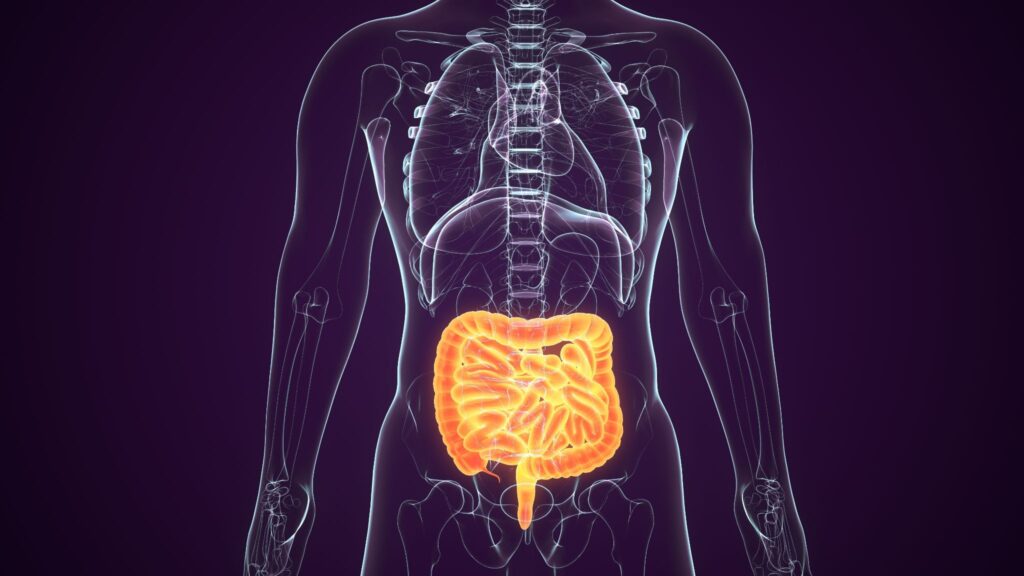
A gas blockage occurs when excess air becomes trapped in your intestines or stomach and can't pass easily. This can cause intense bloating, abdominal pain, pressure, and cramping. While it’s usually not dangerous, it can …
How to clear a gas blockage?
July 7, 2025
A gas blockage occurs when excess air becomes trapped in your intestines or stomach and can’t pass easily. This can cause intense bloating, abdominal pain, pressure, and cramping. While it’s usually not dangerous, it can feel miserable. The good news is that there are several safe and effective ways to clear gas from your system and restore comfort.
Steps to clear a gas blockage at home
- Try gentle abdominal massage
Using your fingertips or palm, massage your abdomen in a slow, clockwise motion. Start on your lower right side, move up to your ribs, across to the left, and down. This follows the path of your large intestine and can help push trapped gas through. - Lie on your left side
This position helps gravity move gas through your digestive system, especially the descending colon. You can also try pulling your knees toward your chest to stretch your lower belly and create space for gas to escape. - Take a short walk
Light movement stimulates digestion and helps trapped air travel through the intestines. A 10–15 minute walk can often ease gas naturally and quickly. - Use the knees-to-chest position
Lie on your back and gently pull both knees to your chest. Hold for 30–60 seconds, release, and repeat. This helps compress the abdomen and move gas outward. - Apply a heating pad
Place a warm compress or heating pad on your stomach for 15–20 minutes. The heat relaxes intestinal muscles and may help relieve spasms that trap gas. - Sip warm fluids
Drinking peppermint or ginger tea can help relax your gut muscles and stimulate digestion. Avoid carbonated drinks, which can add more gas to your system. - Try an over-the-counter gas reliever
Medications like simethicone (Gas-X, Phazyme, Mylanta Gas) break down gas bubbles in your stomach and intestines, making it easier for gas to pass. - Avoid swallowing air
Skip gum, straws, and eating too fast, which can worsen gas buildup. If you feel bloated after meals, try eating slower and avoiding carbonated drinks.
What not to do
- Don’t lie completely flat on your back, which can trap gas even more
- Don’t ignore symptoms for more than 24 hours if you’re in pain
- Don’t combine multiple medications without checking the labels
When to visit urgent care
If your gas blockage doesn’t improve or you develop additional symptoms, seek medical help. Visit urgent care if you experience:
- Severe, sharp, or constant abdominal pain
- No bowel movement or gas for more than 2 days
- Nausea or vomiting
- Swelling that worsens instead of improving
- Fever or chills
- Chest pressure or pain that mimics heart symptoms
Urgent care teams can evaluate your symptoms, check for blockages or infections, and offer safe, fast relief—whether through medications, imaging, or referrals to a specialist.
Final thought
Clearing a gas blockage doesn’t have to be complicated. With movement, massage, warmth, and the right remedies, you can relieve the pressure and discomfort naturally. But if symptoms linger or escalate, don’t wait—professional care is close by and ready to help.
If symptoms get worse or don’t improve, visit your local urgent care provider for professional evaluation.
Hey Did You Know We Have an IV Therapy Spa Inside? Check out our drip menu!