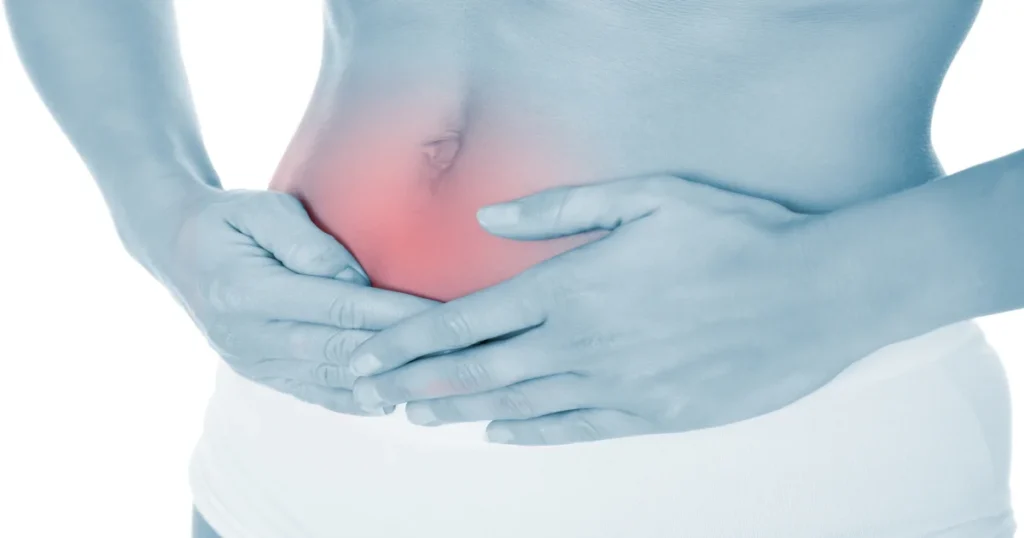
Trapped gas can cause bloating, sharp abdominal pain, chest pressure, or even discomfort that moves around your torso. But here’s the tricky part: many other conditions can feel like gas, especially in the early stages. …
What can be mistaken for trapped gas?
July 7, 2025
Trapped gas can cause bloating, sharp abdominal pain, chest pressure, or even discomfort that moves around your torso. But here’s the tricky part: many other conditions can feel like gas, especially in the early stages. While gas is usually harmless and short-lived, mistaking something more serious for gas can delay the care you need.
Knowing what symptoms overlap—and when to seek help—can make a major difference in your health and peace of mind.
Common conditions that feel like trapped gas
- Heartburn or acid reflux (GERD)
- Burning in the chest or upper abdomen
- Sour taste in the mouth
- Burping and bloating
Why it’s confusing: Both conditions can cause upper belly pressure and belching.
- Gallbladder issues (gallstones or inflammation)
- Sharp pain in the upper right abdomen
- Pain after fatty meals
- Nausea or vomiting
Why it’s confusing: Gallbladder pain can feel like intense gas or cramping under the ribs.
- Irritable Bowel Syndrome (IBS)
- Bloating, gas, constipation, or diarrhea
- Cramping that improves after passing gas or stool
Why it’s confusing: IBS often mimics chronic trapped gas with shifting discomfort.
- Appendicitis
- Pain near the belly button that moves to the lower right abdomen
- Loss of appetite, nausea, or fever
Why it’s confusing: Early stages can feel like deep gas pain in the lower abdomen.
- Heart attack (especially in women)
- Pressure in the chest, jaw, or left arm
- Nausea, fatigue, or upper abdominal pain
Why it’s confusing: Some heart attacks cause upper stomach or chest pressure that feels like trapped gas or indigestion.
- Pancreatitis
- Severe pain in the upper abdomen that radiates to the back
- Nausea, vomiting, fever
Why it’s confusing: The pressure and bloating may feel like intense gas pain at first.
- Ovarian cyst rupture or torsion
- Sudden sharp pelvic pain
- Bloating, pressure, and nausea
Why it’s confusing: Can mimic gas pain in the lower abdomen, especially on one side.
- Bowel obstruction
- Severe bloating, constipation, vomiting
- Cramping and no gas or stool passing
Why it’s confusing: It starts off like trapped gas but quickly becomes more severe and dangerous.
- Peptic ulcers
- Burning upper abdominal pain, worse on an empty stomach
- Nausea, belching, or indigestion
Why it’s confusing: Similar upper GI symptoms that mimic gas or reflux.
How to tell the difference
- Gas pain is usually temporary and improves with burping, passing gas, or position changes.
- Serious conditions often last longer, worsen with time, or come with red flag symptoms like fever, vomiting, or radiating pain.
- If the pain is constant, sharp, or comes with other unusual symptoms, don’t assume it’s just gas.
When to visit urgent care
Head to urgent care if you experience:
- Bloating or gas that doesn’t improve in 24 hours
- Sharp or localized pain in the lower right or upper right abdomen
- Chest pain or pressure that doesn’t go away with burping
- Nausea, vomiting, or fever with stomach pain
- No gas or bowel movement for more than two days
- Pain that gets worse when moving or breathing
Urgent care providers can perform a physical exam, order imaging or lab tests, and determine whether your symptoms are truly gas—or something more serious.
Final thought
Trapped gas is common, but it’s not always the full story. If your “gas pain” feels unusual, lasts too long, or comes with other red flags, trust your instincts and get checked. Early evaluation can rule out more serious conditions and help you feel better, faster.
If symptoms get worse or don’t improve, visit your local urgent care provider for professional evaluation.
Hey Did You Know We Have an IV Therapy Spa Inside? Check out our drip menu!
abdominal painappendicitis symptomsbloatingbowel obstructionchest pressuredigestion problemsdigestive healthgallbladder paingas pain vs serious issuesheart attack symptomsheartburn vs gasIBS vs gasmistaken for gasovarian painpeptic ulcer painserious gas-like symptomsstomach pain confusiontrapped gasurgent care