
Knowing how to properly dress a wound at home can make a huge difference in preventing infection, minimizing pain, and promoting faster healing. Whether it’s a scraped knee, minor cut, or small puncture, a basic …
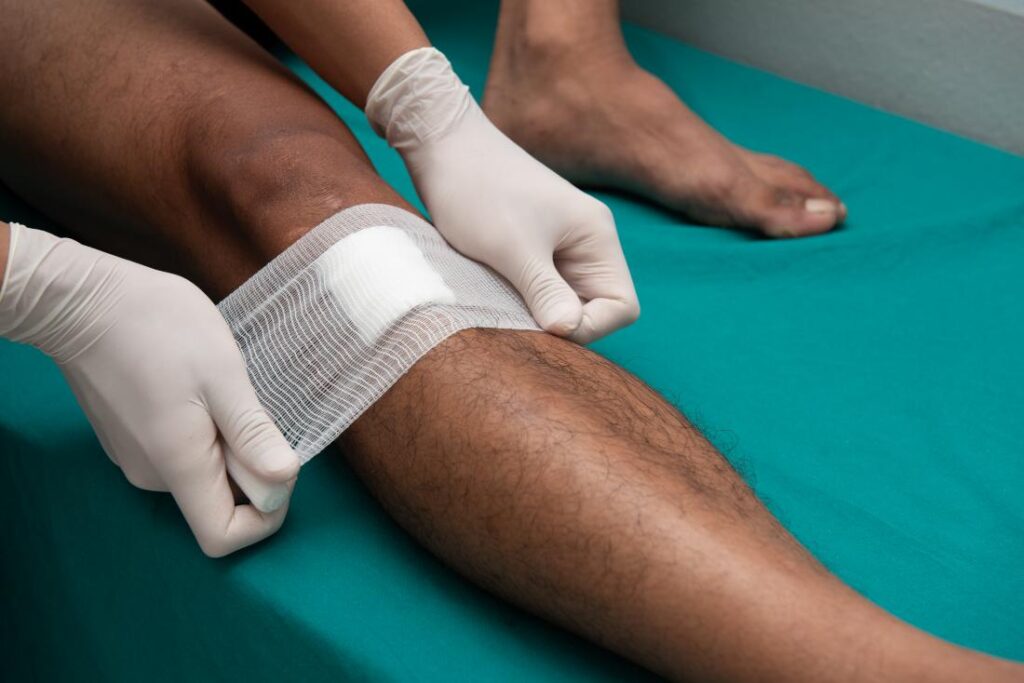
How to Dress a Wound Properly Using Items from a Basic First Aid Kit
July 2, 2025
Knowing how to properly dress a wound at home can make a huge difference in preventing infection, minimizing pain, and promoting faster healing. Whether it’s a scraped knee, minor cut, or small puncture, a basic first aid kit often contains everything you need to safely manage it.
Here’s how to dress a wound step-by-step using common first aid supplies you probably already have.
Step-by-Step: How to Dress a Wound at Home
- Wash Your Hands
Before you touch the wound or open any supplies, wash your hands thoroughly with soap and water to avoid contaminating the area. - Stop the Bleeding
Use a clean gauze pad or cloth to apply gentle, steady pressure on the wound until bleeding stops. This usually takes just a few minutes for minor injuries. - Clean the Wound Gently
Rinse the area under cool, running water to remove dirt and debris. Pat the surrounding skin dry with a clean cloth or sterile gauze. Avoid scrubbing or using hydrogen peroxide or alcohol, as these can delay healing. - Apply an Antibiotic Ointment (Optional)
A small amount of antibiotic ointment can help reduce the risk of infection and keep the wound moist. - Choose the Right Dressing
- Adhesive Bandages: Best for small cuts and abrasions
- Gauze Pads + Medical Tape: Good for larger or irregular wounds
- Non-Stick Pads: Help prevent the bandage from sticking to the wound as it heals
- Secure the Dressing in Place
Use medical tape or a wrap-style bandage to keep the dressing firmly in place without cutting off circulation. - Change the Dressing Daily
Replace the bandage once a day or whenever it becomes wet or dirty. Each time you change it, check for signs of infection. - Watch for Signs of Infection
Look for redness, swelling, increasing pain, or pus. If any of these develop, it’s time to seek medical evaluation.
What to Watch Out For
While most wounds can be safely treated at home, urgent care is recommended if:
- The wound is deep, gaping, or won’t stop bleeding
- There’s dirt or debris you can’t remove
- You see signs of infection such as warmth, swelling, pus, or spreading redness
- You haven’t had a tetanus shot in the last five years
- The injury came from a rusty object, bite, or dirty surface
Helpful Tips & Common Myths
- ✅ Petroleum jelly can be used if you don’t have antibiotic ointment – It helps keep the wound moist and speeds healing
- ❌ Don’t reuse gauze or dressings – Always use fresh, sterile supplies
- ✅ First aid kits should be checked regularly – Replace expired or used supplies
- ❌ Don’t blow on wounds to dry them – This introduces bacteria
If symptoms get worse or don’t improve, visit your local urgent care provider for professional evaluation.
Hey Did You Know We Have an IV Therapy Spa Inside? Check out our drip menu!



















