
When it comes to cleaning cuts and scrapes at home, many people instinctively reach for hydrogen peroxide. It fizzes, it bubbles, and it seems like it's doing the job. But is it really the best …
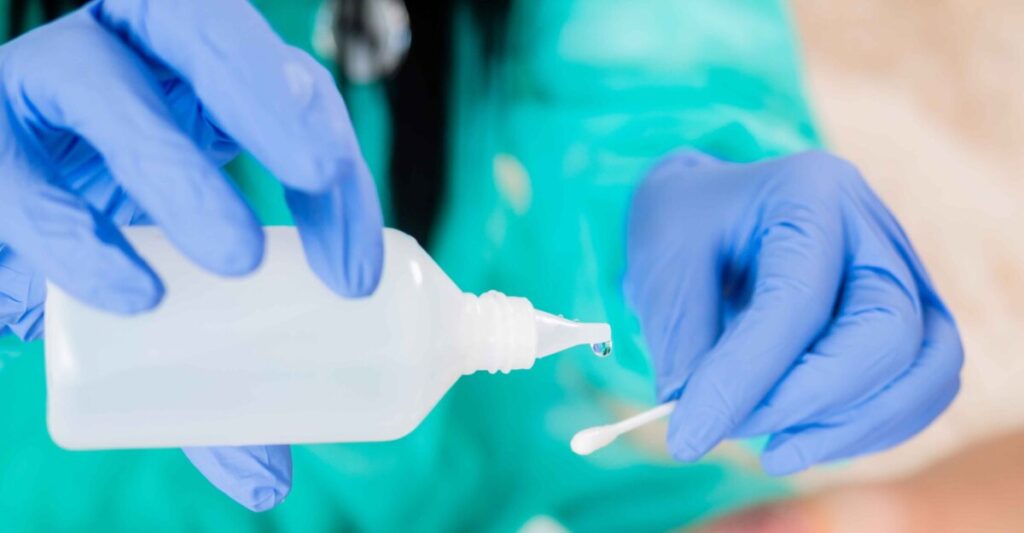
Hydrogen Peroxide vs. Soap & Water: What’s Better for Wound Care?
July 2, 2025
When it comes to cleaning cuts and scrapes at home, many people instinctively reach for hydrogen peroxide. It fizzes, it bubbles, and it seems like it’s doing the job. But is it really the best option? Or is good old soap and water actually safer and more effective for wound care?
Let’s clear up the confusion and take a closer look at what’s best for promoting healing and preventing infection.
Step-by-Step: How to Clean a Wound the Right Way
- Wash Your Hands First
Before you touch any wound, wash your hands thoroughly with soap and warm water to prevent bacteria from entering the wound. - Stop Any Bleeding
Apply gentle pressure with a clean cloth or sterile gauze. Most small cuts or scrapes will stop bleeding in a few minutes. - Rinse the Wound with Cool Running Water
This is one of the most effective ways to clean out dirt and debris. Let the water run over the wound for several minutes. - Use Mild Soap Around the Wound
Gently clean the skin surrounding the wound with a mild, fragrance-free soap. Avoid getting soap directly into the wound, as it may sting. - Avoid Using Hydrogen Peroxide or Rubbing Alcohol
These products can damage healthy tissue and slow healing. While hydrogen peroxide can kill bacteria, it also kills the body’s own cells that are trying to repair the wound. - Apply Antibiotic Ointment (Optional)
After cleaning, a thin layer of over-the-counter antibiotic ointment may help prevent infection and keep the wound moist. - Cover with a Sterile Bandage
Use a non-stick bandage or gauze to protect the wound. Change the dressing daily or if it gets wet or dirty.
When to Seek Medical Attention
Some wounds need more than just home care. Visit urgent care if:
- The wound is deep, jagged, or won’t stop bleeding after 10 minutes
- There’s dirt or gravel embedded in the wound that you can’t remove
- You notice signs of infection like redness, swelling, pus, or warmth
- The wound is from a rusty object or animal bite
- It’s been more than 5 years since your last tetanus shot
Helpful Tips & Common Myths
- ❌ Myth: “If it stings, it’s working” – Hydrogen peroxide may sting and bubble, but it can damage healthy tissue.
- ✅ Fact: Soap and water are just as effective – And much gentler on the skin.
- ❌ Myth: Letting it air out helps healing – Covered wounds actually heal faster and with less scarring.
- ✅ Tip: Petroleum jelly works well – If you don’t have antibiotic ointment, it helps keep the wound moist.
If symptoms get worse or don’t improve, visit your local urgent care provider for professional evaluation.
Hey Did You Know We Have an IV Therapy Spa Inside? Check out our drip menu!



















