
Fevers are a natural part of childhood—and while they can be worrisome for parents, not every fever requires a trip to the doctor. In fact, most low-grade fevers are the body’s way of fighting off …
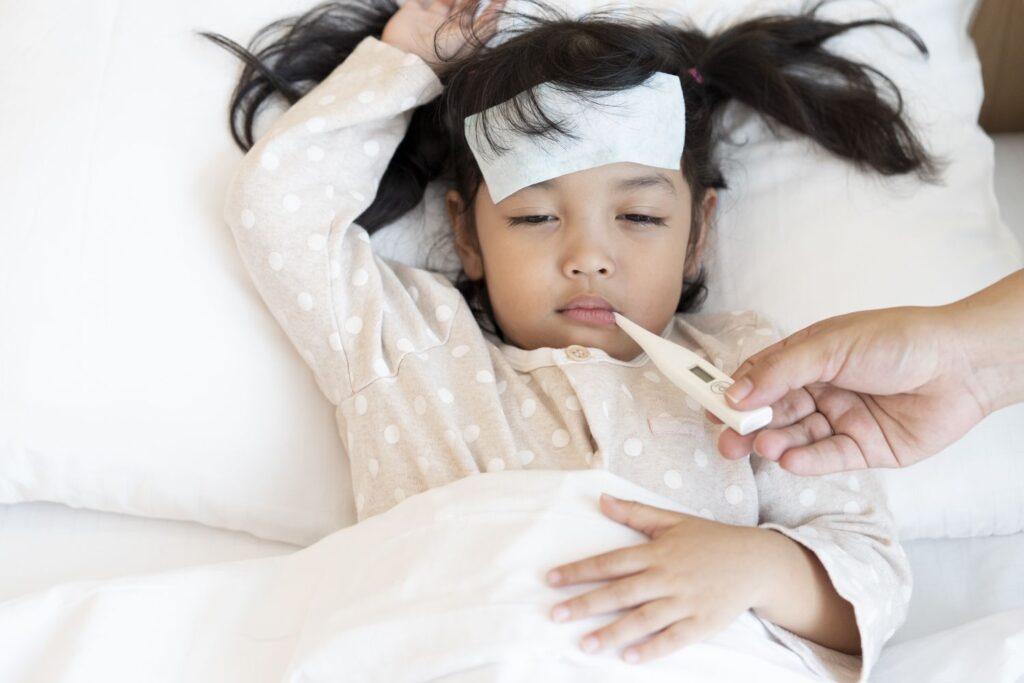
Helping Your Child Through a Light Fever at Home
July 3, 2025
Fevers are a natural part of childhood—and while they can be worrisome for parents, not every fever requires a trip to the doctor. In fact, most low-grade fevers are the body’s way of fighting off a mild infection, and with a little care at home, your child will likely bounce back quickly.
Here’s how to safely manage a light fever in your child and recognize when it’s time to seek additional support.
What Is a Light Fever?
A light fever typically ranges from 100.4°F to 102°F (38°C to 38.9°C). It may come on slowly, often accompanied by signs like tiredness, reduced appetite, or mild chills. Fevers like this can result from common colds, minor viral infections, or even teething in younger children.
Rather than focusing solely on the number, it’s important to monitor how your child looks, acts, and feels overall.
Step 1: Check Temperature with the Right Tool
Use a digital thermometer for an accurate reading:
- Rectal thermometer for infants under 3 months
- Ear or forehead thermometer for toddlers
- Oral thermometer for children 4 years and older who can hold it still
Always clean the thermometer before and after use, and check their temperature every few hours if symptoms continue.
Step 2: Encourage Steady Fluid Intake
Even a mild fever can lead to increased fluid loss, so it’s crucial to:
- Offer small sips of water, diluted juice, or oral rehydration drinks
- Use popsicles, fruit with high water content, or ice chips for variety
- Avoid sugary sodas and caffeinated drinks
Focus more on hydration than solid meals. It’s okay if your child eats less for a day or two.
Step 3: Keep Your Child Comfortable
Let your child guide their own activity level. If they want to sleep—let them. If they’re alert but tired, quiet play and rest are ideal. Help comfort them by:
- Keeping the room cool and quiet
- Dressing them in lightweight, breathable clothes
- Providing favorite blankets or stuffed animals for emotional reassurance
Step 4: Use Medicine Only If Necessary
You don’t always need to bring the fever down unless your child seems very uncomfortable. But if they’re fussy, achy, or having trouble sleeping, you can give:
- Acetaminophen (Tylenol) – approved for babies over 2 months
- Ibuprofen (Motrin, Advil) – approved for children over 6 months
Never give aspirin to children. Use the correct dosage by weight and age, and don’t wake your child just to give medicine unless advised by a healthcare provider.
Step 5: Avoid Aggressive Cooling Methods
Don’t rush to cool your child off with extreme methods. Skip:
- Ice baths
- Alcohol rubs
- Overdressing or bundling
If needed, a lukewarm bath or sponge wipe-down can provide gentle relief without shocking the system.
When to Visit Urgent Care
Even a light fever can be a symptom of something more serious, depending on the child’s age and other symptoms. Seek medical help if your child:
- Is younger than 3 months with any fever
- Has a fever for more than 3 days
- Is unusually sleepy, fussy, or not responding normally
- Is not drinking or hasn’t urinated in 8+ hours
- Develops a rash, trouble breathing, or stiff neck
- Experiences a seizure or becomes difficult to wake
If your instincts are telling you something isn’t right, it’s better to be safe and have them evaluated by a professional.
Quick Tips for Easier Recovery
- Keep a simple chart with temperature readings and symptoms
- Offer distractions like books, audiobooks, or favorite cartoons
- Be patient—mild fevers often improve within 48 hours
- Avoid comparing this fever to previous ones—each case is different
Low fevers are common and manageable. With thoughtful attention, plenty of fluids, and rest, your child will likely recover without much trouble. But when in doubt, your urgent care team is just a short visit away.
If symptoms get worse or don’t improve, visit your local urgent care provider for professional evaluation.
Hey Did You Know We Have an IV Therapy Spa Inside? Check out our drip menu!
acetaminophen use kidsbaby fever signschild fever carechild hydration during feverchildren’s illness basicsdigital thermometer kidsfever behavior trackingfever soothing methodshome fever remediesibuprofen kids doselight fever in childrenlow fever symptomsparenting illness carepediatric fever tipspediatric immune supportrest for sick kidssafe fever medicationtoddler temperature guidewhen to seek urgent care



















