A sudden bump against a table or a minor fall can leave behind a noticeable purple mark. While it may look intense, that deep-colored bruise is usually part of your body’s normal healing response. Still, …
Why Bruises Turn Purple—and What You Can Do to Heal Them Quicker
July 3, 2025
A sudden bump against a table or a minor fall can leave behind a noticeable purple mark. While it may look intense, that deep-colored bruise is usually part of your body’s normal healing response. Still, it helps to understand why bruises change color—and what steps you can take to speed up the recovery process at home.
What’s Really Happening When a Bruise Turns Purple?
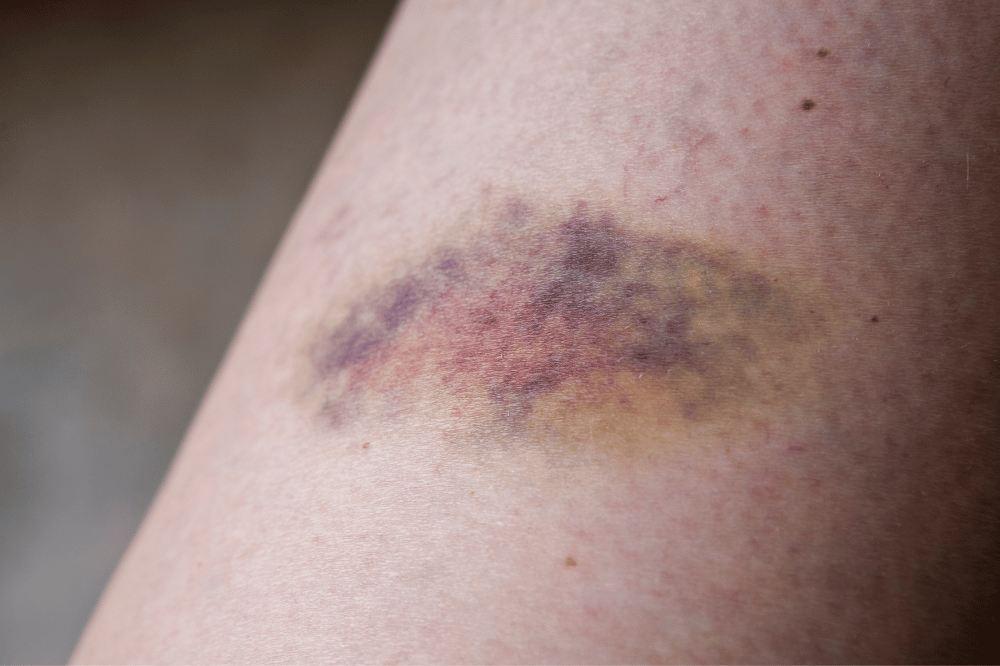
Bruises occur when small blood vessels (capillaries) underneath the skin break open due to an impact. The blood leaks into surrounding tissues, forming a discoloration that’s initially red or blue, then turns a dark purple as it loses oxygen.
This purple stage typically peaks within one to two days after injury. As the body starts to clean up the leaked blood, the bruise fades through green, yellow, and brown stages before disappearing altogether.
The color change is simply a reflection of the breakdown and reabsorption of blood over time.
How to Care for a Purple Bruise at Home
While bruises often resolve on their own, there are steps you can take to reduce pain, minimize swelling, and help the discoloration clear more quickly:
- Start with Ice
Within the first 48 hours of injury, apply a cold compress or ice pack wrapped in a cloth. Use it for 15–20 minutes at a time, several times a day. Cold limits blood flow and helps reduce swelling. - Keep It Elevated
Raise the bruised area above heart level if possible. This encourages drainage and prevents more blood from pooling in the injured tissues. - Avoid Heat Too Early
Don’t apply heat right away. Warmth can cause blood vessels to expand, which may worsen bruising in the early stages. - Use Warm Compresses After 2 Days
Once the bruise begins to stabilize, a warm compress can help improve circulation and speed up the body’s cleanup process. - Try Bruise Creams (Optional)
Arnica gel, vitamin K creams, and bromelain-based products may assist in reducing inflammation and improving discoloration. Follow the directions on the label and monitor for skin sensitivity. - Take It Easy
Avoid putting pressure on or overusing the injured area until soreness subsides. Give your body the time it needs to heal.
When to Get Checked by a Medical Provider
While most bruises are harmless, some signs mean it’s time to seek medical attention:
- The bruise is large, unusually painful, or keeps growing
- You bruise easily and often, without known injury
- There’s swelling, warmth, or pus around the area
- You have unexplained bleeding from other areas
- You feel lightheaded, weak, or feverish
- The bruise doesn’t fade after 2–3 weeks
These could indicate an underlying health issue, such as a bleeding disorder, a deep tissue injury, or an infection.
Can Bruising Be Prevented?
While accidents happen, you can take some preventive steps to avoid severe bruising:
- Remove trip hazards at home (loose rugs, cluttered walkways)
- Use protective padding during contact sports or physical work
- Wear long sleeves and pants when doing outdoor tasks
- Discuss side effects of medications (like blood thinners) with your doctor
- Eat foods rich in vitamin C and K to support skin and blood vessel strength
Older adults tend to bruise more easily due to thinner skin and fragile capillaries, so prevention becomes even more important over time.
Final Thoughts
A purple bruise might look concerning, but in most cases, it’s simply a temporary sign of minor trauma. With a little patience—and the right home care—you’ll notice the discoloration fading within a couple of weeks. Listen to your body, rest when needed, and seek care if something doesn’t feel right.
If symptoms get worse or don’t improve, visit your local urgent care provider for professional evaluation.
Hey Did You Know We Have an IV Therapy Spa Inside? Check out our drip menu!