
A blister forming after a bug bite can be surprising and uncomfortable. Whether it’s from a mosquito, ant, or spider, a fluid-filled bubble at the bite site might tempt you to squeeze or pop it. …
Dealing with Bug Bite Blisters: When to Leave Them Alone (and What to Do Instead)
July 3, 2025
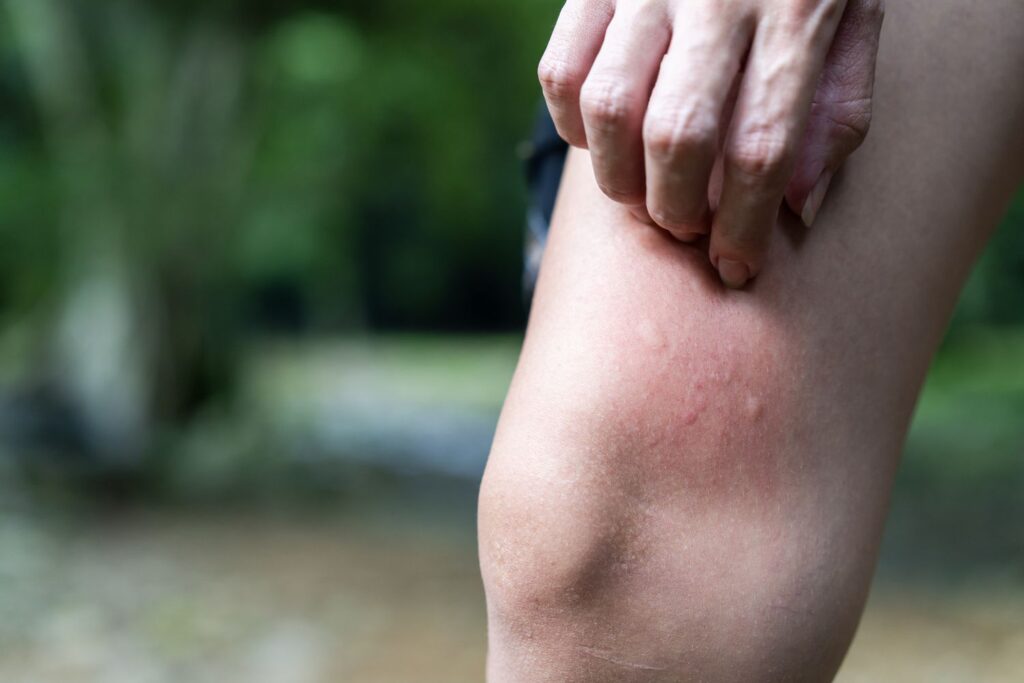
A blister forming after a bug bite can be surprising and uncomfortable. Whether it’s from a mosquito, ant, or spider, a fluid-filled bubble at the bite site might tempt you to squeeze or pop it. But before you reach for a tissue, know this: popping a bite blister can cause more problems than it solves.
Blisters can be managed safely at home, but there are clear steps to follow—and red flags to watch for.
Why Blisters Form After Bug Bites
Blisters occur when the skin reacts strongly to irritation, often as part of an allergic response to insect saliva or venom. The clear fluid inside—a mixture of serum and white blood cells—creates a cushion to protect the damaged tissue and promote healing.
This type of reaction is more common after bites from:
- Mosquitoes
- Fleas
- Fire ants
- Spiders
While most blister reactions are minor, they should still be treated with care to avoid infection or further damage.
Why You Shouldn’t Pop a Bite Blister
It might be tempting to drain the fluid to reduce swelling or relieve itching. However, popping a blister—especially at home—can:
- Expose raw skin to bacteria
- Delay healing by removing a natural barrier
- Increase risk of infection like cellulitis
- Cause unnecessary pain or scarring
Unless you’re dealing with an exceptionally large or painful blister, it’s best to leave it alone.
How to Safely Manage a Bite Blister at Home
- Clean the Area Gently
Use mild soap and lukewarm water. Pat the skin dry with a clean towel and avoid rubbing. - Apply a Cool Compress
A cold, damp washcloth or ice pack wrapped in a towel can reduce swelling and calm the itch. Use for 10–15 minutes, several times a day. - Use Soothing Topicals
Anti-itch creams like hydrocortisone or calamine lotion can help relieve discomfort. Oral antihistamines may also reduce swelling and itching. - Protect the Blister
Cover it loosely with a sterile, non-stick bandage to prevent accidental popping, especially if the area is exposed to friction. - Don’t Scratch
Scratching increases the chance of rupturing the blister or introducing bacteria. Keep nails trimmed and consider using itch-relief patches if needed.
What If the Blister Pops on Its Own?
If the blister opens naturally:
- Wash the area gently with soap and water
- Apply antibiotic ointment
- Cover with a fresh, sterile bandage
- Monitor for signs of infection over the next few days
Never peel away the skin flap—the remaining skin still protects the raw area underneath.
When Is It Okay to Drain a Blister?
Draining should be a last resort and only done if:
- The blister is large and causing discomfort
- It interferes with walking, wearing shoes, or using your hands
How to do it carefully:
- Wash your hands and the surrounding skin
- Sterilize a needle with rubbing alcohol
- Puncture the edge of the blister, not the center
- Let the fluid drain slowly
- Do not remove the overlying skin
- Apply antibiotic cream and a clean dressing
- Repeat daily until fully healed
If you’re unsure or uncomfortable draining a blister, seek medical guidance.
When to Visit Urgent Care
Head to your local urgent care center if:
- The blister becomes red, hot, or filled with pus
- You develop a fever, chills, or swollen lymph nodes
- Red streaks appear near the bite
- The bite came from a spider or unknown insect
- You have an underlying condition like diabetes or a weakened immune system
Prompt care can prevent serious skin infections or complications.
Tips to Prevent Bite Blisters
- Use insect repellent outdoors
- Avoid scratching fresh bites
- Treat early signs of inflammation quickly
- Wear protective clothing in high-risk areas
- Wash bites and apply anti-itch cream at the first sign of swelling
Bite blisters can be annoying, but they’re also a sign your body is working to heal. Avoid the urge to pop them, and stick to gentle, supportive care. Most will resolve in a few days with the right approach.
If symptoms get worse or don’t improve, visit your local urgent care provider for professional evaluation.
Hey Did You Know We Have an IV Therapy Spa Inside? Check out our drip menu!



















