
Learning IV insertion takes precision, patience, and proper technique—but practicing on yourself or others at home is not safe or legal without medical training and supervision. However, if you're a nursing student, EMT trainee, or …
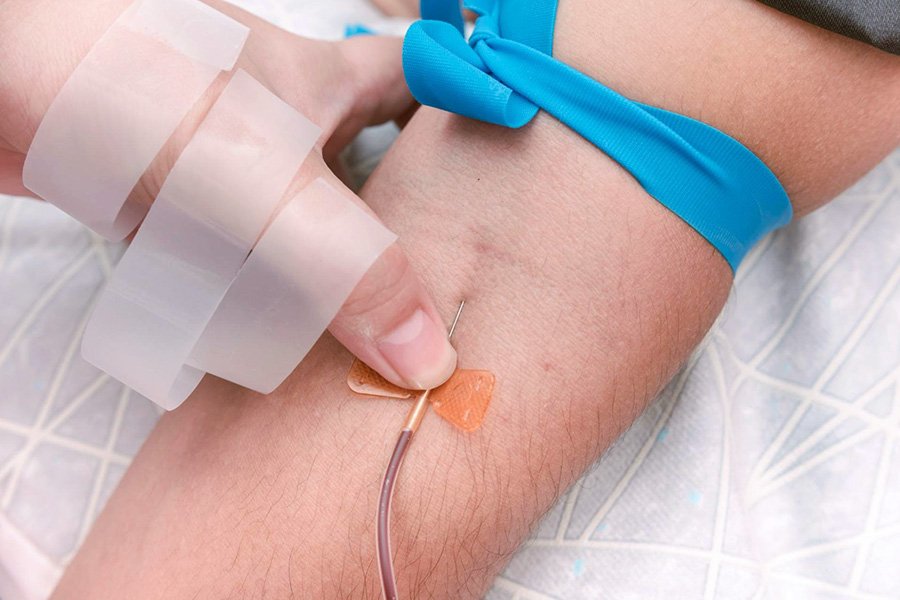
How to practice IV insertion at home?
July 8, 2025
Learning IV insertion takes precision, patience, and proper technique—but practicing on yourself or others at home is not safe or legal without medical training and supervision. However, if you’re a nursing student, EMT trainee, or phlebotomy learner, there are safe, realistic alternatives that let you build skill and confidence from home—without risking harm.
Here’s how to practice IV insertion the right way in a home setting:
1. Never practice on yourself or other people
Attempting IV insertion on yourself or another person at home is dangerous and unethical without certification. It can lead to:
- Vein damage or infection
- Air embolism or hematoma
- Permanent nerve injury
- Legal consequences if done without licensure
Instead, use medical-grade simulation tools to learn safely.
2. Invest in a quality IV practice kit
The safest and most effective way to practice at home is to use a vein simulation arm or IV practice kit. These are widely available online and include:
- A synthetic arm or hand with embedded “veins”
- Reusable latex skin and tubing
- Flashback chambers to simulate blood return
- IV catheters or practice needles
- Simulated blood or fluid for realism
These tools allow you to feel resistance, see if you’ve hit the “vein,” and even practice proper taping and securing techniques.
3. Follow real clinical protocols
When using a training kit, always follow the same steps you’d use in a clinical setting:
- Wash your hands and wear gloves
- Select your insertion site
- Clean the area with alcohol or antiseptic
- Anchor the vein and insert the catheter at the correct angle (typically 15–30°)
- Watch for flashback (simulated with fluid)
- Advance the catheter, then remove the needle
- Secure with tape and connect IV tubing if needed
This builds muscle memory and proper technique that transitions well to live patient settings under supervision.
4. Watch instructional videos from accredited sources
There are many nursing school-level tutorials and EMT training videos that demonstrate step-by-step IV insertion on manikins. Look for:
- Nursing school simulations
- EMT/paramedic training labs
- Phlebotomy skill refreshers
- Hospital-based training demonstrations
Avoid relying on unverified social media content. Always refer to clinical standards of care.
5. Seek supervised practice when ready
Once you’ve practiced enough at home, enroll in a clinical course or program where you can apply your skills under the guidance of trained professionals. Practicing on real patients should only occur:
- In a licensed medical facility
- Under direct supervision
- With full patient consent
This is the only legal and ethical way to apply IV skills in real life.
Final thought
You can absolutely practice IV insertion at home using simulation arms and professional training kits—but never on real people. Safe, controlled repetition with the right tools is the key to developing accuracy and confidence before working with real patients in a clinical setting.
If you’re ever unsure about a medical procedure or technique, visit your local urgent care provider for professional guidance. Hey Did You Know We Have an IV Therapy Spa Inside? Check out our drip menu!
catheter training toolsclinical skills practiceemt iv practicefake arm for ivhome iv insertion practicehow to hit a veiniv injection simulationiv insertion trainingiv simulation armiv therapy educationiv training kitlearn iv insertion safelynursing skills labnursing student iv skillsphlebotomy simulationpractice iv at homesafe iv learningurgent care iv trainingwhere to buy iv training arm



















