The most common complication of IV therapy is infiltration—a condition where the IV fluid leaks into the surrounding tissue instead of staying inside the vein. While usually not dangerous, it can cause discomfort and may …
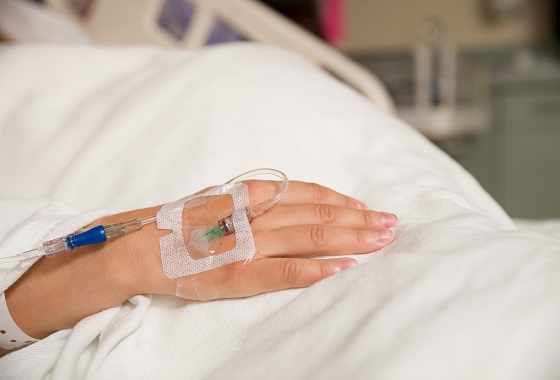
What is the most common complication of IV therapy?
July 8, 2025
The most common complication of IV therapy is infiltration—a condition where the IV fluid leaks into the surrounding tissue instead of staying inside the vein. While usually not dangerous, it can cause discomfort and may require the IV to be stopped and reinserted elsewhere.
Infiltration can happen during any type of IV therapy—whether you’re getting hydration, vitamins, medications, or antibiotics.
1. What is infiltration in IV therapy?
Infiltration occurs when the IV catheter slips out of the vein or punctures through the vein wall, causing fluid to escape into the surrounding soft tissue instead of entering the bloodstream.
Signs of infiltration include:
- Swelling near the IV site
- Cool or pale skin
- Discomfort or tightness around the area
- Slower or stopped fluid flow
- Skin that feels firm or looks puffy
2. What causes infiltration?
There are several possible reasons, including:
- Poor IV placement or movement
- Fragile or small veins (especially in elderly or dehydrated patients)
- High-pressure infusions
- Improperly secured catheter
- Prolonged IV use in one site
Nurses and medical providers monitor IV sites carefully to detect early signs and prevent further issues.
3. How is infiltration treated?
If infiltration occurs, the provider will:
- Stop the IV immediately
- Remove the catheter
- Elevate the limb to reduce swelling
- Apply warm or cold compresses, depending on the type of fluid
- Monitor the area for tissue damage
In most cases, infiltration resolves without long-term problems. A new IV is usually placed in a different vein.
4. What are other common complications of IV therapy?
Besides infiltration, other complications may include:
- Phlebitis: Inflammation of the vein, causing redness, pain, and a hard vein
- Infection: Especially if the site isn’t kept sterile
- Air embolism: Rare but serious—air enters the bloodstream through the IV
- Allergic reaction: To IV fluids or medications
- Fluid overload: In patients with heart or kidney conditions
While these are less frequent, medical providers are trained to recognize and respond to them quickly.
5. How can infiltration and other IV issues be prevented?
Skilled providers take several precautions to reduce risk:
- Use the smallest appropriate catheter size
- Secure the IV properly with tape or dressings
- Check the site frequently during treatment
- Ask the patient to report pain or changes in sensation right away
- Rotate IV sites if used over multiple days
You can also help by avoiding movement of the IV arm and notifying staff if anything feels unusual.
Final thought
Infiltration is the most common complication of IV therapy, but with attentive care and quick response, it’s usually minor and temporary. Still, it’s important to understand the risks, especially if you’re receiving IV treatment regularly or for longer durations.
If symptoms get worse or don’t improve, visit your local urgent care provider for professional evaluation.
Hey Did You Know We Have an IV Therapy Spa Inside? Check out our drip menu!
air embolism riskcatheter complicationscold skin iv dripcommon iv issuesfluid leakage from ivfluid overload iv therapyhow to prevent iv infiltrationinfection from iv therapyinfiltration iviv therapy complicationsmonitoring iv sitespain around iv sitephlebitis ivred vein iv therapyside effects of iv dripsigns of bad iv placementswollen iv siteurgent care iv complicationswhen to remove iv