Allergic skin reactions happen when your immune system overreacts to something harmless—like a lotion, detergent, food, or plant. The result is often a mild rash, redness, itching, or small hives. While these symptoms can be …
How to Stop a Mild Allergic Skin Reaction
July 3, 2025
Allergic skin reactions happen when your immune system overreacts to something harmless—like a lotion, detergent, food, or plant. The result is often a mild rash, redness, itching, or small hives. While these symptoms can be uncomfortable, most mild reactions are not dangerous and can be managed at home with safe, calming remedies.
Here’s how to handle a mild allergic skin reaction quickly and effectively, along with signs that indicate it’s time to get medical care.
What Does a Mild Skin Reaction Look Like?
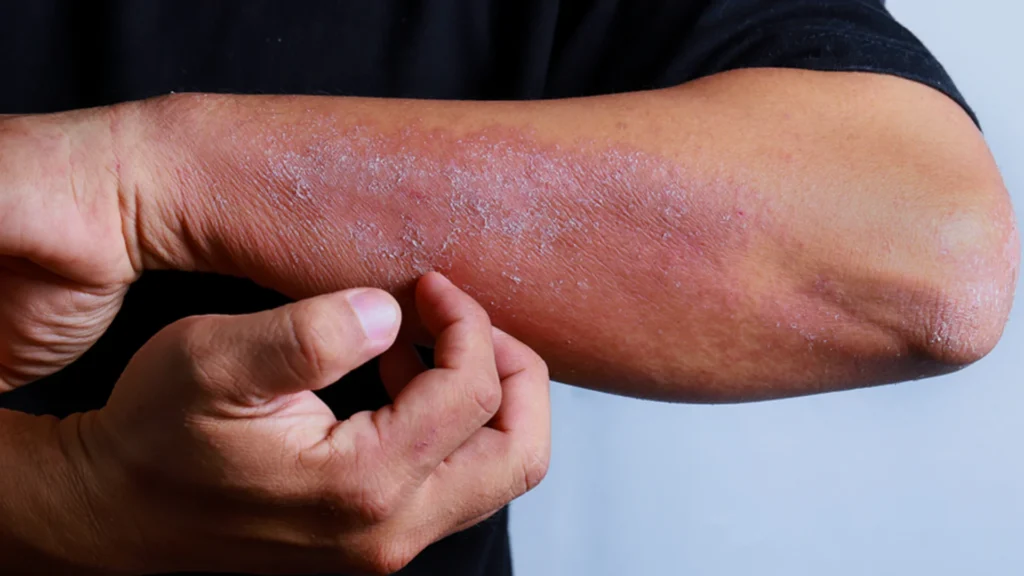
Mild allergic skin reactions may appear within minutes or hours after contact with the allergen. Common symptoms include:
- Itchy, red patches
- Mild swelling
- Hives (raised, itchy welts)
- Dry or scaly skin
- Warmth or slight tenderness in the area
These reactions can show up on the hands, arms, face, neck, or any area that came in contact with the allergen.
Common Triggers to Watch For
Some of the most frequent causes of mild allergic skin reactions include:
- Soaps, shampoos, or detergents
- Fragrances or preservatives in skincare products
- Certain metals (like nickel in jewelry)
- Latex or rubber
- Plants like poison ivy or grass
- Foods like shellfish, nuts, or dairy
- Insect bites or stings
If you can identify what caused the reaction, stop using or avoid further contact with it immediately.
Step-by-Step Home Treatment for Relief
1. Wash the Area Gently
Rinse the skin with cool water and a mild, fragrance-free soap to remove any lingering allergen.
2. Apply a Cool Compress
A damp, cold cloth applied to the area can reduce redness and itching.
Use it for 10–15 minutes at a time, several times a day.
3. Use an OTC Anti-Itch Cream
- Apply 1% hydrocortisone cream to reduce inflammation
- Or use calamine lotion to calm itching and dry any mild blisters or welts
- Avoid using multiple products at once
4. Take an Oral Antihistamine
An antihistamine like diphenhydramine (Benadryl) or loratadine (Claritin) can help control itching and limit the allergic response.
Choose non-drowsy formulas if taking during the day.
5. Keep the Skin Moisturized
Use a gentle, fragrance-free moisturizer to prevent dryness and help the skin recover.
Avoid heavy ointments that may trap heat or irritants.
What to Avoid During a Reaction
- ❌ Scratching or rubbing the skin—it can break the skin and increase infection risk
- ❌ Hot showers or baths, which may worsen inflammation
- ❌ Scented creams, essential oils, or harsh cleansers
- ❌ Wearing tight or rough fabrics that could irritate the area further
Stick to breathable cotton clothing and a clean, cool environment while your skin heals.
When to Go to Urgent Care
While mild reactions are usually manageable at home, seek medical help if:
- The rash or swelling spreads quickly
- You have facial swelling or swelling around the eyes or lips
- You experience shortness of breath, tightness in the chest, or wheezing
- The reaction doesn’t improve in a few days or gets worse
- You have signs of infection (like pus, warmth, or increased pain)
These may indicate a serious allergic reaction or a skin infection needing professional care.
Tips to Prevent Future Reactions
- Always do a patch test when trying new skincare products
- Choose hypoallergenic, fragrance-free soaps and detergents
- Wear gloves when handling cleaning products or gardening
- Keep a record of any known allergies and share with healthcare providers
- Store antihistamines in your medicine cabinet in case of future flare-ups
If symptoms get worse or don’t improve, visit your local urgent care provider for professional evaluation.
Hey Did You Know We Have an IV Therapy Spa Inside? Check out our drip menu!