
Heat rash—also called prickly heat or miliaria—is a common skin reaction that occurs when sweat ducts become blocked and trap moisture under the skin. It’s especially common in hot, humid weather or after intense physical …
What to Do About a Heat Rash
July 3, 2025
Heat rash—also called prickly heat or miliaria—is a common skin reaction that occurs when sweat ducts become blocked and trap moisture under the skin. It’s especially common in hot, humid weather or after intense physical activity, and while it isn’t usually serious, it can be uncomfortable and itchy.
Fortunately, heat rash often clears up with simple home remedies and changes to your environment. Here’s how to treat it, avoid making it worse, and know when to visit urgent care.
What Does Heat Rash Look Like?
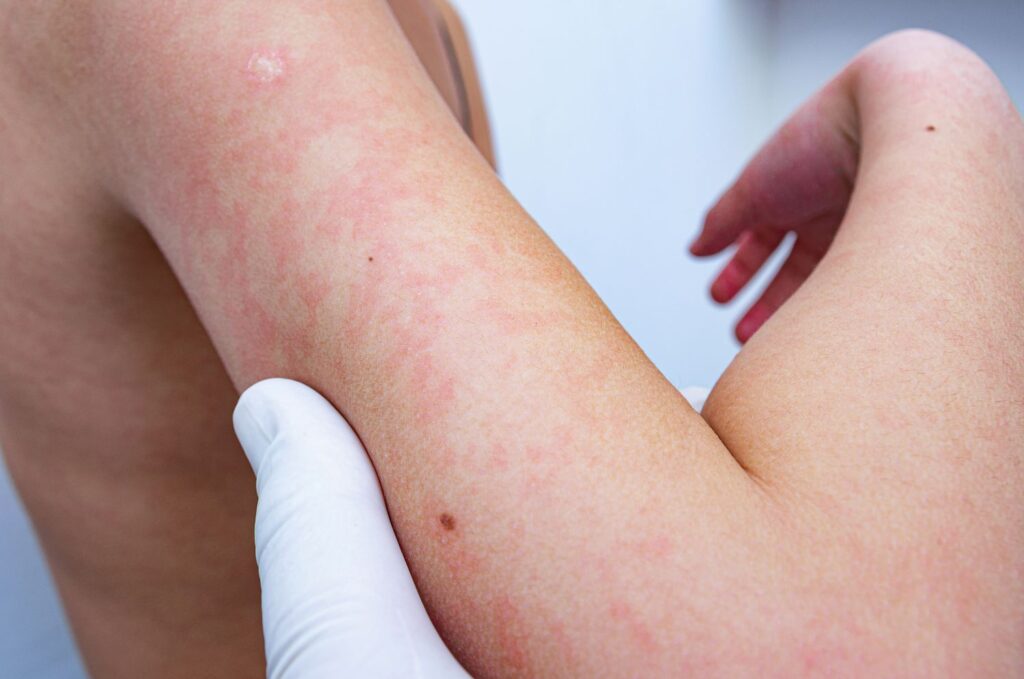
Heat rash typically appears as small red or pink bumps, sometimes accompanied by itching, a prickly sensation, or a mild burning feeling. It’s most common in:
- Neck folds
- Underarms
- Chest or back
- Groin area
- Elbows or behind the knees
In babies, it can appear in areas where skin is covered or creased, such as the diaper area or neck folds.
Common Causes of Heat Rash
Heat rash happens when sweat gets trapped beneath the skin due to blocked pores. Common causes include:
- Hot, humid weather
- Tight or non-breathable clothing
- Heavy exercise in warm conditions
- Prolonged time in bed or resting without air circulation (especially in infants)
- Overheated rooms or poor ventilation
Home Treatment for Heat Rash
1. Cool Down the Skin
- Move to a cooler environment (air conditioning or shade)
- Use a cool, damp cloth on the rash for 10–15 minutes
- Take a lukewarm shower (not cold or hot) and gently pat dry
Avoid applying ice directly to the skin—it can damage already irritated areas.
2. Let Your Skin Breathe
- Wear loose, lightweight clothing, preferably cotton
- Avoid synthetic fabrics that trap heat and moisture
- Let the affected area stay exposed to air when possible
3. Skip the Lotions and Oils
Creams, oils, and thick lotions can block pores further and make the rash worse. Instead:
- Use a light, fragrance-free powder (like cornstarch-based baby powder) to keep the area dry
- Avoid using talc-based powders or greasy ointments
4. Avoid Further Sweating
Until the rash clears:
- Take breaks from activity that causes sweating
- Use fans or air conditioning
- Avoid sleeping under heavy blankets
Sweat is the main trigger, so keeping cool is the fastest path to healing.
Over-the-Counter Options
For relief from itching or irritation, consider:
- Hydrocortisone cream (1%) applied sparingly
- Calamine lotion to dry blisters and reduce discomfort
- Oral antihistamines like loratadine (Claritin) if itching is intense
These can help reduce inflammation but should only be used on unbroken skin.
When to Seek Medical Attention
Most heat rashes are harmless and clear in a few days, but see a provider if:
- The rash lasts longer than 3–4 days or gets worse
- You develop a fever, chills, or swollen lymph nodes
- The area becomes painful, warm, or oozes pus
- A baby or elderly adult shows signs of heat exhaustion or dehydration
These symptoms may point to a skin infection or heat-related illness that needs urgent care.
How to Prevent Heat Rash
- Wear breathable, loose-fitting clothing
- Stay hydrated and avoid excessive heat exposure
- Take breaks in cool areas when exercising or working outdoors
- Bathe regularly and keep skin dry in folds or creases
- Keep your bedroom well ventilated while sleeping
If symptoms get worse or don’t improve, visit your local urgent care provider for professional evaluation.
Hey Did You Know We Have an IV Therapy Spa Inside? Check out our drip menu!



















