Athlete’s foot, or tinea pedis, is a common fungal infection that thrives in warm, moist environments—like sweaty socks, locker rooms, and shared showers. It usually starts between the toes and causes itching, burning, redness, and …
Managing Athlete’s Foot Without a Prescription
July 3, 2025
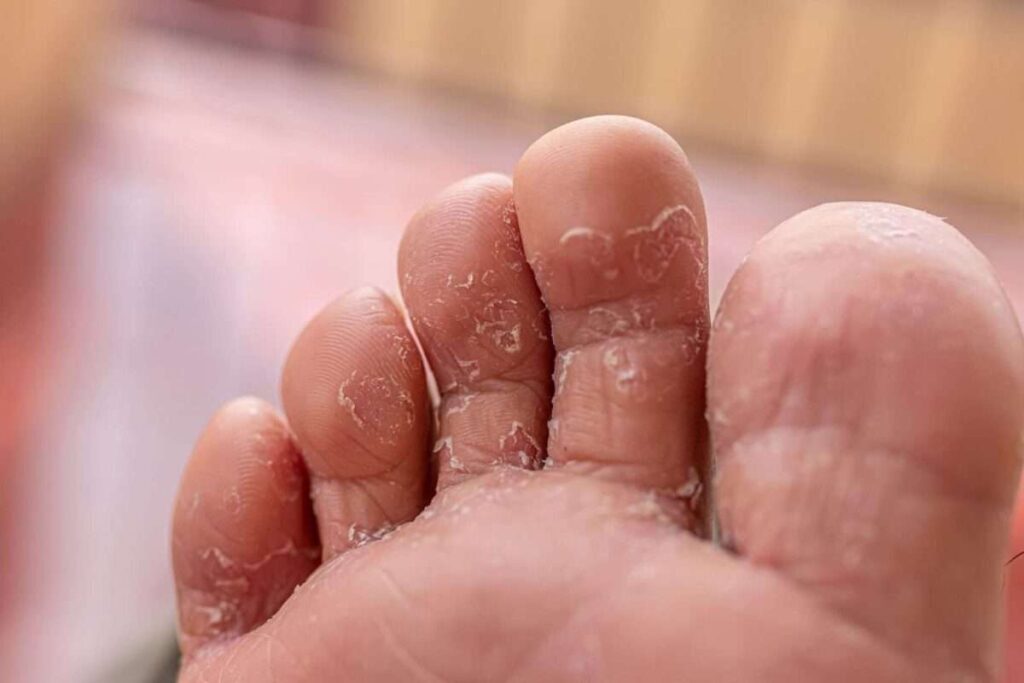
Athlete’s foot, or tinea pedis, is a common fungal infection that thrives in warm, moist environments—like sweaty socks, locker rooms, and shared showers. It usually starts between the toes and causes itching, burning, redness, and peeling. Though annoying, most cases of athlete’s foot are mild and can be managed effectively at home with the right treatment and hygiene practices.
Here’s how to stop the itch, prevent it from spreading, and keep it from coming back—without needing a prescription.
Recognizing the Signs
Athlete’s foot symptoms can vary slightly depending on the type of infection, but common signs include:
- Itching and burning between the toes
- Peeling, cracked, or scaly skin
- Redness or inflammation
- Small blisters or sores
- Dryness on the soles or edges of the feet
It can affect one or both feet and may spread to the toenails or hands if left untreated.
Step-by-Step Home Treatment
1. Keep Feet Clean and Dry
Fungus loves moisture. The most important first step is drying out the environment where it thrives.
- Wash feet daily with mild soap and warm water
- Dry thoroughly—especially between the toes
- Change socks at least once a day (more if feet get sweaty)
- Go barefoot at home when possible to let feet breathe
2. Apply an Over-the-Counter Antifungal
Several non-prescription treatments are effective when used consistently.
- Clotrimazole (Lotrimin AF) or terbinafine (Lamisil AT) creams are widely recommended
- Apply to clean, dry feet twice daily for at least 2 to 4 weeks, even after symptoms improve
- For stubborn cases, sprays or powders can be used in shoes or socks
Always follow package directions and finish the full course to prevent recurrence.
3. Use Foot Powder or Antifungal Spray
To keep moisture under control during the day:
- Use a medicated foot powder or antifungal spray before putting on socks
- Look for powders with miconazole or tolnaftate for added protection
- Avoid talcum powder, which can clump and hold moisture
What Not to Do
- ❌ Don’t share towels, socks, or shoes
- ❌ Don’t walk barefoot in locker rooms, gyms, or hotel rooms
- ❌ Avoid using petroleum jelly or heavy moisturizers between toes (can trap moisture)
- ❌ Don’t stop treatment early—even if it looks better
Prevention Tips to Keep Athlete’s Foot Away
Once the infection clears, preventing it from returning is key:
- Wear breathable shoes and moisture-wicking socks
- Alternate footwear so shoes can dry completely between uses
- Spray shoes with antifungal spray weekly
- Disinfect your shower or bath if others in the home are infected
- Keep toenails trimmed and clean to prevent spread to nail beds
Athlete’s foot is contagious, so good foot hygiene protects you and those around you.
When to See a Provider
Home remedies and OTC treatments usually work well, but see urgent care or a doctor if:
- The infection doesn’t improve after 2–4 weeks of treatment
- There’s excessive redness, swelling, or pus
- You have diabetes or poor circulation and notice foot changes
- The rash spreads to the hands, groin, or toenails
Persistent or severe infections may need prescription-strength antifungals or lab testing.
If symptoms get worse or don’t improve, visit your local urgent care provider for professional evaluation.
Hey Did You Know We Have an IV Therapy Spa Inside? Check out our drip menu!
antifungal creamathlete’s foot home careavoid foot fungusclotrimazole treatmentcontagious foot rashcracked foot skindry feet tipsfoot powder antifungalfoot rash relieffungal foot infectiongym foot infectionhome foot hygieneitchy feetLamisil creamLotrimin for athlete’s footOTC athlete’s foot remediespeeling skin toestinea pediswhen to seek care