
Lung cancer is the leading cause of cancer-related death worldwide, yet it often remains undiagnosed until advanced stages. This is largely because early-stage lung cancer rarely causes noticeable symptoms. However, for those at elevated risk, …
Lung Cancer Screening for High‑Risk Individuals
July 12, 2025
Lung cancer is the leading cause of cancer-related death worldwide, yet it often remains undiagnosed until advanced stages. This is largely because early-stage lung cancer rarely causes noticeable symptoms. However, for those at elevated risk, regular screening can lead to earlier detection and significantly better outcomes.
Screening is not for everyone, but it plays a critical role in preventive care for individuals with a high risk of developing lung cancer. Understanding who qualifies, how screening works, and what to expect helps make informed decisions about lung health.
Why screening matters
Unlike some cancers that have clear early warning signs, lung cancer often progresses silently. When symptoms like coughing, chest pain, or weight loss finally appear, the disease may already be widespread and harder to treat.
Early-stage lung cancer, on the other hand, is far more treatable. Screening with low-dose computed tomography (LDCT) allows doctors to identify tumors before they grow or spread. This gives patients access to more treatment options and improves long-term survival.
Who is considered high-risk?
Lung cancer screening is specifically recommended for people with a history of smoking, as smoking remains the number one risk factor for lung cancer. Eligibility is generally based on a combination of age, smoking history, and whether the person currently smokes or quit recently.
According to current guidelines, high-risk individuals typically include:
- Adults aged 50 to 80
- A smoking history of at least 20 pack-years (e.g., one pack a day for 20 years or two packs a day for 10 years)
- Current smokers or those who have quit within the past 15 years
People outside of these criteria are usually not recommended for screening because the potential risks may outweigh the benefits in lower-risk groups.
How low-dose CT screening works
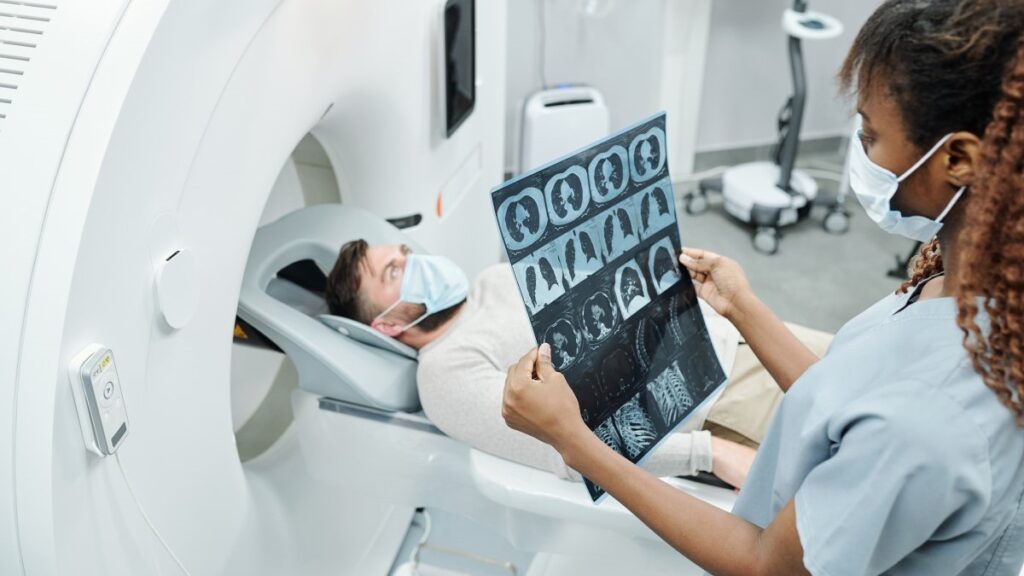
Low-dose computed tomography is a noninvasive scan that uses significantly less radiation than a regular CT scan. The test takes only a few minutes and does not require injections, contrast dye, or any special preparation. Patients lie on a table while the scanner captures detailed images of the lungs.
This imaging allows doctors to see nodules or abnormal areas that could represent early signs of lung cancer. Most nodules found are not cancerous, but further monitoring or testing may be required to rule out serious conditions.
Unlike a chest X-ray, which may miss smaller tumors, LDCT has a much higher chance of detecting cancer at its earliest stages.
Screening frequency and follow-up
For those who qualify, lung cancer screening is typically performed once a year. If no abnormalities are found, patients return the next year for a follow-up scan. If nodules are detected, their size, shape, and growth are tracked to determine if further tests or a biopsy are needed.
Consistency is key—skipping annual scans can lead to missed changes or delays in diagnosis. As long as the individual remains in the high-risk category, annual screening is generally recommended until age 80 or until they have not smoked for more than 15 years.
Benefits and limitations
The main benefit of lung cancer screening is early detection. Studies have shown that LDCT screening can reduce the risk of death from lung cancer by identifying tumors before they spread. It’s particularly effective for detecting non-small cell lung cancer, which is the most common type.
However, the screening does come with potential risks. These include:
- False positives that may lead to unnecessary tests or anxiety
- Overdiagnosis of slow-growing tumors that may never cause harm
- Exposure to low levels of radiation with each scan
These risks are generally outweighed by the potential benefit in high-risk populations. That’s why screening is carefully limited to those most likely to develop lung cancer.
Talking to a healthcare provider
The decision to begin lung cancer screening should involve a conversation with a healthcare provider. During this discussion, patients can review their smoking history, assess risks and benefits, and make an informed choice about whether screening is right for them.
This is also a good time to discuss smoking cessation strategies, as quitting smoking continues to be the most effective way to reduce lung cancer risk.
Takeaway
Lung cancer screening with low-dose CT scans is a powerful tool for early detection in people at high risk. For adults with a significant smoking history, annual screening provides the opportunity to catch cancer before it spreads, improving survival and expanding treatment options. Staying informed and consistent with screening helps support better outcomes and long-term lung health.



















