Burns are among the most common household injuries in children, often caused by hot liquids, electrical outlets, or contact with hot surfaces. While some burns are minor and can be treated at home, others require …
Minor Burns and First Aid for Kids
June 5, 2025
Burns are among the most common household injuries in children, often caused by hot liquids, electrical outlets, or contact with hot surfaces. While some burns are minor and can be treated at home, others require prompt medical attention. Knowing how to provide proper first aid and when to visit urgent care can make a big difference in your child’s comfort and recovery.
This guide offers essential information for parents on recognizing minor burns and delivering immediate care safely and effectively.
Types of Burns in Children
Burns are categorized by their severity:
- First-Degree Burns: Affect only the outer layer of skin (epidermis). These burns cause redness, pain, and slight swelling—similar to a mild sunburn.
- Second-Degree Burns: Affect both the outer layer and the underlying skin (dermis). These burns are more painful, often cause blisters, and may look wet or shiny.
- Third-Degree Burns: Extend through all skin layers and into the tissue beneath. The skin may appear white, charred, or leathery. These burns are serious medical emergencies.
Most minor burns in children are first-degree or superficial second-degree burns and can be treated with basic first aid.
Common Causes of Minor Burns in Kids
- Touching hot stoves, ovens, or irons
- Spilling hot food or liquids like soup or tea
- Playing with matches or lighters
- Electrical outlets or cords
- Sunburn from excessive sun exposure
Supervision and child-proofing are key to preventing these types of accidents, especially in the kitchen and bathroom.
First Aid for Minor Burns
If your child suffers a minor burn, follow these steps immediately:
- Cool the Burn
Hold the burned area under cool (not cold) running water for 10 to 15 minutes. You can also apply a cool, wet compress. This helps reduce pain, swelling, and the risk of further skin damage. - Remove Tight Items
Gently remove clothing, jewelry, or diapers near the burn site before the area begins to swell. Do not remove anything stuck to the burn. - Clean the Area
Use mild soap and water to gently clean the burn. Avoid scrubbing the skin or using alcohol, hydrogen peroxide, or iodine. - Apply a Moisturizer
Use a fragrance-free, aloe-based lotion or burn ointment to soothe the skin and prevent dryness. Avoid home remedies like butter or toothpaste, which can make the injury worse. - Cover the Burn
Apply a sterile, non-stick bandage loosely over the burn. This protects the area from infection and friction. - Manage Pain
Offer age-appropriate pain relief such as acetaminophen or ibuprofen, as directed by your child’s healthcare provider.
When to Visit Urgent Care
While many minor burns can be treated at home, visit urgent care if:
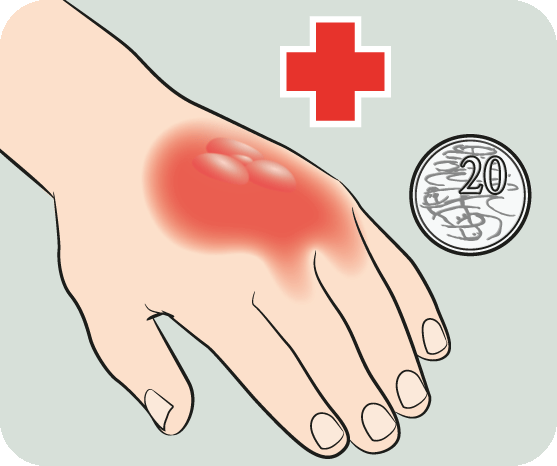
- The burn is larger than 2 inches in diameter
- The burn is on the face, hands, feet, or genitals
- Your child develops a fever or signs of infection (increased redness, swelling, or pus)
- Blisters are extensive or painful
- You’re unsure about the severity of the burn
Urgent care centers can assess the burn, provide proper wound care, prescribe topical medications or antibiotics if needed, and ensure healing progresses safely.
Preventing Burns at Home
- Use stove guards and keep pot handles turned inward
- Install outlet covers in all accessible plugs
- Test bath water temperature before placing your child in the tub
- Keep hot drinks out of reach
- Never leave children unattended in the kitchen or bathroom
Education and proactive safety measures can significantly reduce the risk of burn injuries in children.
Peace of Mind for Parents
Accidents happen—even to the most cautious families. Being prepared and knowing when to seek professional care ensures your child receives the right treatment at the right time.
Call 305-344-CARE (2273) for expert evaluation and treatment of minor burns or other childhood injuries. Walk-in care is available when you need it most.
beach medical helpbeachside medical clinicdehydration treatment Miamiemergency clinic Miami BeachER alternative Miamifast care South Floridafood poisoning clinicheat exhaustion Miami Beachjet lag recovery IVkid-friendly urgent careMiami Beach health tipsMiami Beach local doctorMiami nightlife recoveryquick STD testing Miamiquick X-rays MiamiSouth Beach flu seasonsports injury Miami Beachsunburn treatment Miamiurgent care for travelerswound care clinic