
As a parent, few things are more stressful than seeing your child sick—especially when they have a fever. While a fever is the body’s natural response to infection, it can still cause concern. Understanding what …
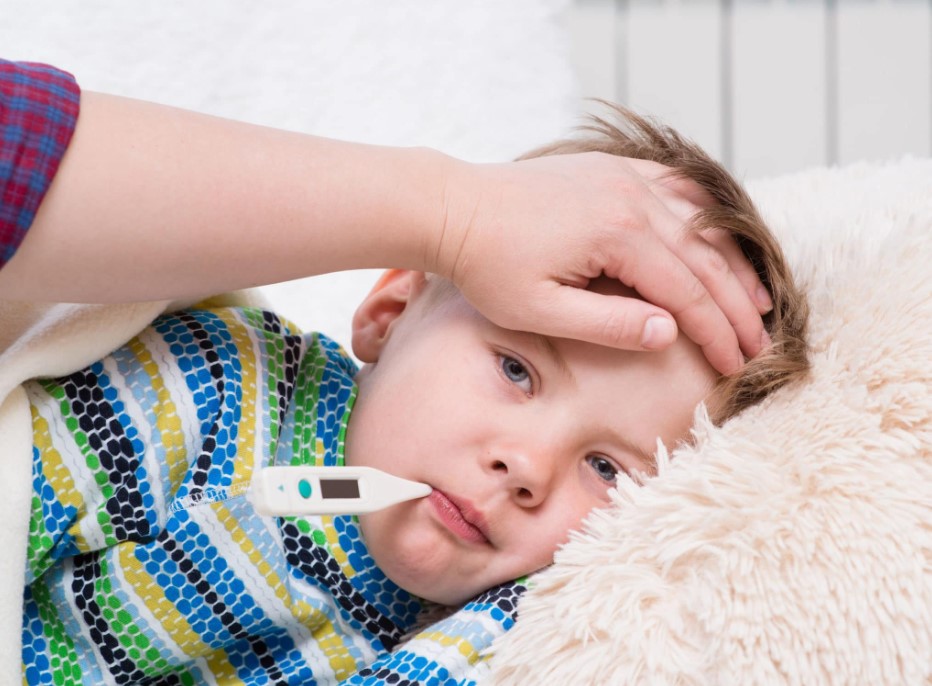
When a Child Has a Fever: What to Do
June 5, 2025
As a parent, few things are more stressful than seeing your child sick—especially when they have a fever. While a fever is the body’s natural response to infection, it can still cause concern. Understanding what causes fevers, how to care for your child, and when to seek medical attention can help you respond calmly and confidently.
Here’s what every parent should know when their child has a fever.
What Is a Fever?
A fever is defined as a body temperature of 100.4°F (38°C) or higher. It’s a sign that the body is fighting off an infection, such as:
- Viral infections (like the common cold, flu, or COVID-19)
- Bacterial infections (like strep throat or ear infections)
- Post-vaccination reactions
- Inflammatory conditions or teething (though less common as a primary cause)
Fevers themselves are not usually harmful—in fact, they can be a healthy immune response. However, how your child acts and feels is often more important than the number on the thermometer.
Symptoms to Watch With a Fever
In addition to elevated temperature, you may notice:
- Fatigue or low energy
- Chills or sweating
- Decreased appetite
- Irritability
- Headache or body aches
These symptoms typically improve as the fever breaks, but monitoring how your child behaves during a fever is key to knowing if medical attention is needed.
How to Care for a Child With a Fever
- Keep Them Comfortable
Dress your child in lightweight clothing and use a light blanket. Avoid overdressing, which can trap heat. - Encourage Fluids
Fever increases the risk of dehydration. Offer water, electrolyte solutions, or popsicles regularly to keep your child hydrated. - Offer Fever-Reducing Medications (If Needed)
Use acetaminophen (Tylenol) or ibuprofen (Advil, Motrin) for discomfort or if the fever is making your child miserable.
- Do not give aspirin to children due to the risk of Reye’s syndrome.
- Always follow dosing instructions based on your child’s weight and age.
- Rest is Best
Encourage quiet activities and let your child rest. Don’t worry if their appetite is reduced for a day or two. - Monitor Their Temperature
Use a digital thermometer to check your child’s temperature. Rectal temperatures are most accurate for infants under 3 years old.
When to Call or Visit Urgent Care
Contact your healthcare provider or visit urgent care if your child has:
- A fever over 100.4°F in an infant under 3 months
- A fever lasting more than 3 days
- A temperature over 104°F
- Seizures or difficulty waking
- Severe sore throat, ear pain, or difficulty breathing
- Signs of dehydration (dry mouth, no tears when crying, fewer wet diapers)
- Rash with the fever
- A fever that returns after going away
Even if symptoms are mild, trust your instincts—if something doesn’t feel right, it’s always better to get your child checked.
What Not to Do
- Don’t use cold baths or alcohol rubs—they can make your child more uncomfortable.
- Don’t force your child to eat if they aren’t hungry. Focus on fluids.
- Avoid bundling them up in blankets to “sweat out” the fever.
Fever and Infections: When to Be Extra Cautious
Fevers are often linked to viral illnesses, which usually resolve on their own. However, bacterial infections like strep throat, ear infections, or urinary tract infections may require antibiotics. Your urgent care provider can help determine the cause and recommend the right treatment.
Peace of Mind for Parents
Fevers are a normal part of childhood, but they can still be unsettling. Knowing how to respond and when to seek medical help ensures your child stays safe and comfortable.
Call 305-344-CARE (2273) for expert pediatric evaluation, especially if your child’s fever doesn’t improve or you’re unsure what to do. Our team is here to support you every step of the way.
beach medical helpbeachside medical clinicdehydration treatment Miamiemergency clinic Miami BeachER alternative Miamifast care South Floridafood poisoning clinicheat exhaustion Miami Beachjet lag recovery IVkid-friendly urgent careMiami Beach health tipsMiami Beach local doctorMiami nightlife recoveryquick STD testing Miamiquick X-rays MiamiSouth Beach flu seasonsports injury Miami Beachsunburn treatment Miamiurgent care for travelerswound care clinic



















