
Respiratory Syncytial Virus, commonly known as RSV, is a contagious virus that primarily affects infants and young children. It is one of the most common causes of respiratory infections in children and can sometimes lead …
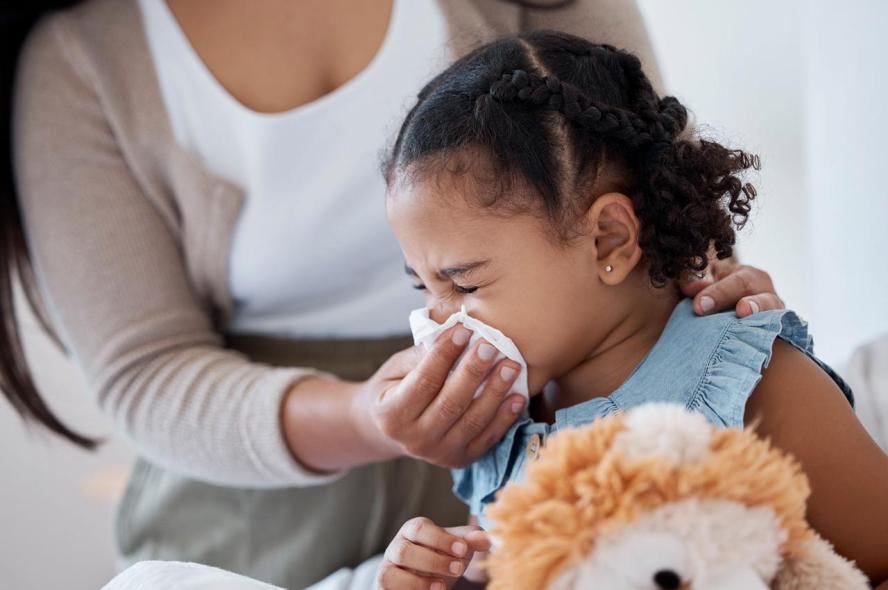
RSV & Kids: What Parents Should Know
June 5, 2025
Respiratory Syncytial Virus, commonly known as RSV, is a contagious virus that primarily affects infants and young children. It is one of the most common causes of respiratory infections in children and can sometimes lead to serious illness, especially in babies under one year of age and those with underlying health conditions. As a parent, understanding RSV, its symptoms, and when to seek medical care is crucial to protecting your child’s health.
What is RSV?
RSV is a virus that infects the respiratory tract, causing symptoms similar to a cold but with the potential to progress into more severe illnesses like bronchiolitis or pneumonia. RSV spreads easily through droplets when an infected person coughs or sneezes and through contact with contaminated surfaces.
RSV season typically peaks during fall, winter, and early spring, meaning parents should be especially vigilant during these months.
Who is Most at Risk?
While RSV can affect people of all ages, children under two years old, especially premature infants, those with chronic lung or heart conditions, and children with weakened immune systems are at higher risk for severe symptoms. Older children and adults usually experience milder cold-like symptoms.
Symptoms of RSV in Kids
RSV symptoms often start like a common cold and can include:
- Runny nose
- Decreased appetite
- Coughing
- Sneezing
- Fever
- Wheezing or noisy breathing
In some cases, particularly in infants, RSV can cause more serious symptoms such as:
- Rapid or difficulty breathing
- Flaring nostrils
- Bluish color around lips or fingernails
- High fever
- Extreme fatigue or irritability
If your child shows any of these more severe symptoms, immediate medical evaluation is necessary.
How is RSV Diagnosed?
Doctors usually diagnose RSV based on symptoms and a physical exam. In some cases, a nasal swab may be taken to confirm the presence of the virus. If your child has difficulty breathing or dehydration, further tests such as chest X-rays or blood tests might be required.
Treatment and Care for RSV
There is no specific medication to cure RSV, so treatment focuses on relieving symptoms and supporting your child’s breathing and hydration. Common care measures include:
- Keeping your child well-hydrated
- Using a humidifier to moisten the air
- Using saline nasal drops and suctioning mucus to help with breathing
- Providing fever reducers such as acetaminophen or ibuprofen (only as recommended by a doctor)
Most children recover at home within one to two weeks. However, some may require hospitalization, especially if they experience breathing difficulties or dehydration.
Preventing RSV in Children
Since RSV spreads easily, prevention is key:
- Wash hands frequently and thoroughly, especially before handling infants.
- Avoid exposing your child to people who are sick.
- Clean and disinfect surfaces regularly.
- Avoid large crowds during RSV season if possible.
- Keep infants away from tobacco smoke, which can increase respiratory problems.
- For high-risk infants, doctors may recommend a preventive antibody medication during RSV season.
When to Seek Medical Help
Call your healthcare provider or urgent care immediately if your child:
- Has trouble breathing or is breathing rapidly
- Shows signs of dehydration, like dry mouth or decreased urination
- Appears unusually lethargic or irritable
- Has a persistent high fever
- Has blue or gray coloring around lips or face
Stay Prepared and Informed
Knowing about RSV and how to protect your child can help you feel confident in handling the season safely. If your child develops symptoms or you have concerns, don’t hesitate to seek care. Early intervention can make all the difference.
For quick, compassionate care for your child’s respiratory concerns, call 305-344-CARE (2273). We’re here to help your family stay healthy and strong.
beach medical helpbeachside medical clinicdehydration treatment Miamiemergency clinic Miami BeachER alternative Miamifast care South Floridafood poisoning clinicheat exhaustion Miami Beachjet lag recovery IVkid-friendly urgent careMiami Beach health tipsMiami Beach local doctorMiami nightlife recoveryquick STD testing Miamiquick X-rays MiamiSouth Beach flu seasonsports injury Miami Beachsunburn treatment Miamiurgent care for travelerswound care clinic



















