
A bug bite is irritating enough on its own—but when a blister forms, it can take the discomfort to another level. That clear, fluid-filled bubble might seem harmless or even tempting to pop, but doing …
Is It Safe to Pop a Bug Bite Blister? Here’s the Right Way to Handle It
July 3, 2025
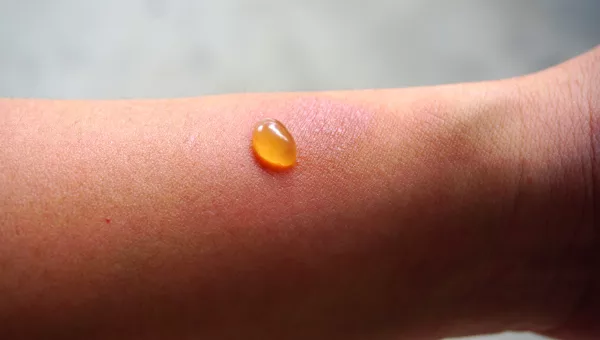
A bug bite is irritating enough on its own—but when a blister forms, it can take the discomfort to another level. That clear, fluid-filled bubble might seem harmless or even tempting to pop, but doing so can lead to unwanted consequences.
Let’s take a look at why bite blisters form, what you should avoid, and how to treat them safely at home.
Why Does a Blister Form After a Bug Bite?
Blisters are part of your body’s natural healing response. When an insect bite causes skin damage, irritation, or an allergic reaction, your immune system may respond by forming a blister filled with fluid. This blister protects the sensitive skin underneath, creating a barrier to bacteria and helping the area heal.
Mosquitoes, fire ants, fleas, and even some spiders are known to cause blistering reactions in some individuals—especially when the bite is scratched or irritated early on.
Why Popping a Bite Blister Is a Bad Idea
Though popping the blister might seem like the quickest way to feel better, it’s almost always the wrong choice. Here’s why:
- Higher risk of infection: Once the skin is broken, bacteria can enter easily.
- Slower healing: The fluid inside the blister helps the skin recover.
- Scarring and inflammation: Interfering with healing can damage the skin further.
- Pain and sensitivity: The exposed skin beneath the blister is often raw and tender.
In short, leave it alone unless it becomes painful or shows signs of serious irritation.
What You Should Do Instead
Proper home care can go a long way in managing a bite blister without popping it. Follow these steps to promote healing:
- Keep the Area Clean
Gently wash the skin around the blister with soap and lukewarm water once or twice a day. Pat dry with a clean towel. - Apply a Cool Compress
Use a cold cloth or wrapped ice pack for 10–15 minutes to reduce swelling and relieve itching. - Use Anti-Itch Products
Over-the-counter remedies like hydrocortisone cream, calamine lotion, or oral antihistamines can ease itching and discomfort. - Protect the Blister
Cover the area with a non-stick bandage or gauze if it’s in a location where it may get rubbed or irritated. Change the dressing daily. - Avoid Scratching
Scratching can cause accidental rupture or infection. Keep your nails short and use anti-itch remedies consistently.
When It’s Okay to Drain a Blister
If the blister becomes very large, painful, or interferes with walking or movement, you may choose to drain it. But it must be done carefully:
- Wash your hands and the blister area thoroughly
- Use a sterilized needle to puncture the edge of the blister
- Let the fluid drain slowly—do not remove the skin
- Apply antibiotic ointment and a fresh dressing
- Watch for signs of infection such as redness, warmth, or pus
If you’re not confident doing this at home, visit your local urgent care provider for help.
When to Seek Medical Care
Some bite blisters may need professional attention. Contact a healthcare provider if:
- The blister becomes increasingly red or swollen
- You see pus or drainage that is yellow or green
- You develop a fever or feel unwell
- Red streaks spread from the blister site
- You suspect the bite came from a spider or unknown insect
- You have health conditions like diabetes or immune suppression
Prompt care can prevent more serious skin infections or complications.
Tips for Preventing Bite Blisters
- Apply insect repellent when outdoors
- Wear long sleeves, pants, and socks in high-risk areas
- Treat bites immediately with a cold compress or antihistamine cream
- Avoid scratching—consider using anti-itch patches or gloves for kids
- Keep nails trimmed to reduce skin damage from accidental scratching
Bite blisters can be frustrating, but they’re your body’s way of protecting the healing process. With proper care and a little patience, they often resolve on their own. Popping them too soon just invites trouble.
If symptoms get worse or don’t improve, visit your local urgent care provider for professional evaluation.
Hey Did You Know We Have an IV Therapy Spa Inside? Check out our drip menu!
ant bite blisterantihistamine bug biteblister infection signsbug bite blistercalamine lotion bitescold compress bug bitefire ant blister carehealing blister tipshow to treat bite blisterinsect bite swellingitchy bite treatmentkids bug bite blisternatural bug bite carepopped blister careshould you pop a blisterspider bite reactionswollen bug bite



















