
It’s common to notice a bruise after bumping into something—but when the skin turns a deep purple, it can cause concern. While often harmless, this kind of bruise does indicate that your body is working …
Understanding That Purple Bruise: Causes, Care, and Recovery Tips
July 3, 2025
It’s common to notice a bruise after bumping into something—but when the skin turns a deep purple, it can cause concern. While often harmless, this kind of bruise does indicate that your body is working hard to heal a minor internal injury. Knowing what’s going on under the surface and how to support recovery can help reduce discomfort and speed up the fading process.
What Does the Purple Color in a Bruise Mean?
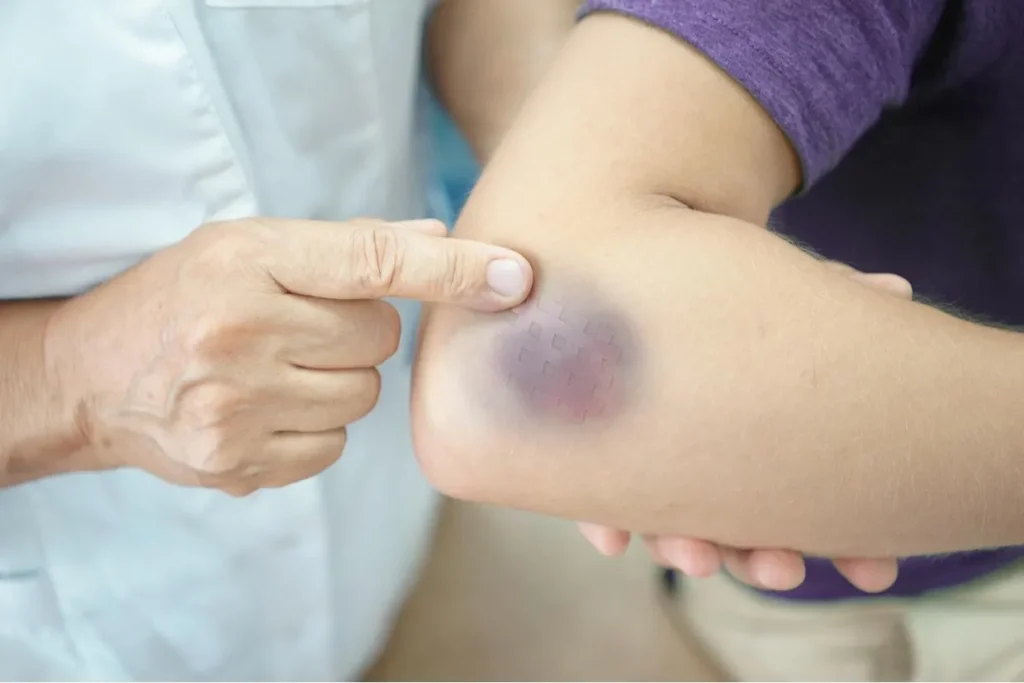
Bruises happen when small blood vessels under your skin—called capillaries—are damaged due to blunt impact. When they rupture, blood seeps into the surrounding tissues. The purple or bluish color you see is oxygen-poor blood trapped beneath the skin.
This purple phase is typically most visible within the first 48 hours of injury. Over time, your body begins to break down and reabsorb the blood, which is why bruises change color—transitioning from purple to green, yellow, and eventually brown as they heal.
How to Treat a Purple Bruise at Home
Most bruises heal on their own, but the right home care can reduce swelling and help the area recover faster:
- Apply Ice Immediately
Within the first two days after the injury, use a cold compress or an ice pack wrapped in cloth. Apply it for 15–20 minutes every few hours. This helps reduce bleeding and limits the size of the bruise. - Elevate the Injured Area
Keeping the bruised limb elevated above your heart can prevent additional blood from pooling in the area and helps reduce swelling. - Avoid Pressure and Heat Early On
Don’t apply heat or massage the bruise in the first 48 hours. Both can increase bleeding under the skin, worsening the discoloration. - After 48 Hours, Use Warm Compresses
Once the bruise has stabilized, warmth can help improve circulation and assist your body in clearing away the leaked blood. - Try Topical Remedies
Some creams, like arnica gel or vitamin K ointments, may help speed healing. Use them as directed and monitor skin sensitivity. - Rest the Area
Avoid overusing the injured body part until it’s no longer sore. Allowing the tissue time to repair can make a noticeable difference in healing speed.
When to See a Doctor for a Bruise
Most bruises are mild and fade within a week or two. However, you should seek urgent care if:
- The bruise becomes unusually large or firm
- Pain worsens or spreads
- You see bruises often without knowing why
- There’s swelling, redness, or warmth around the bruise
- Bruising is accompanied by unexplained bleeding or fatigue
- You notice bruising in unusual locations (e.g., abdomen, back)
These symptoms may suggest a deeper injury, blood clotting disorder, or another medical issue that requires attention.
How to Prevent Bruising in the Future
While you can’t avoid every bump, these tips can reduce the likelihood and severity of bruises:
- Clear walkways and furniture edges to avoid accidental impact
- Wear protective gear during sports or physical activity
- Discuss medication side effects (especially blood thinners) with your doctor
- Eat foods high in vitamin C and K to strengthen capillaries and skin
- Stay hydrated and protect aging skin with moisturizers
Final Thoughts
Bruises may look dramatic—especially when they’re purple—but they’re often just part of your body’s natural healing cycle. With the right care, you can reduce pain, limit discoloration, and encourage faster recovery. Pay attention to your body, and if something doesn’t feel right, don’t hesitate to get it checked.
If symptoms get worse or don’t improve, visit your local urgent care provider for professional evaluation.
Hey Did You Know We Have an IV Therapy Spa Inside? Check out our drip menu!



















