Bug bites are often itchy, red, and annoying. But occasionally, they lead to something more uncomfortable—a fluid-filled blister. If you’ve ever found yourself staring at one and wondering whether you should pop it, you’re not …
How to Care for a Bite Blister Without Making It Worse
July 3, 2025
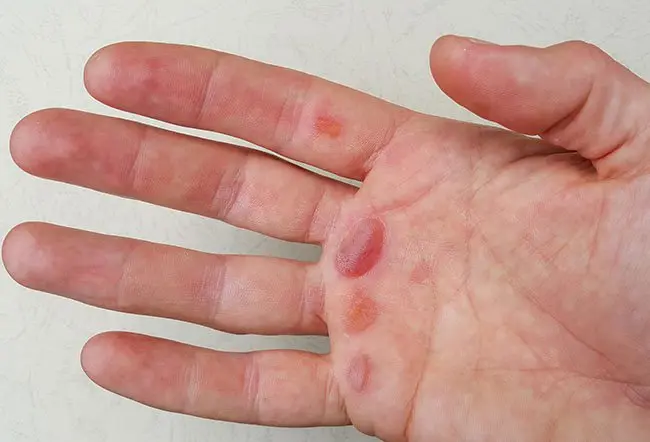
Bug bites are often itchy, red, and annoying. But occasionally, they lead to something more uncomfortable—a fluid-filled blister. If you’ve ever found yourself staring at one and wondering whether you should pop it, you’re not alone. Many people think draining a blister will relieve discomfort, but in most cases, it can actually do more harm than good.
Instead, here’s how to manage a bite blister safely at home—and what signs mean it’s time to get professional help.
Why Do Some Bug Bites Cause Blisters?
Blisters from bug bites form when your skin has a stronger-than-usual reaction to an insect’s saliva, venom, or bite irritation. Insects like mosquitoes, ants, and spiders are more likely to trigger this response. A blister is your skin’s protective mechanism—trapping fluid between layers of skin to cushion the area and aid in healing.
Although these blisters can be itchy or look concerning, they’re usually not dangerous.
Should You Pop It?
The short answer: no.
Here’s why popping a bite blister is not recommended:
- You increase the risk of infection. The skin over the blister acts as a natural barrier. Once that’s gone, bacteria can get in.
- Healing may take longer. Intact blisters help the underlying skin regenerate.
- It could lead to scarring. Opening the blister early may irritate the skin and cause lasting marks.
- You might make the irritation worse. A popped blister may become painful and inflamed.
Unless it becomes too large or painful to manage, it’s best to leave it untouched.
How to Treat a Bite Blister at Home
If you’ve developed a bite blister, here’s how to treat it properly without popping:
- Gently clean the area.
Wash around the blister with soap and cool water. Avoid scrubbing or using strong antiseptics that could irritate your skin further. - Apply a cold compress.
A clean cloth soaked in cold water can help reduce swelling and soothe the area. Do this for 10–15 minutes as needed. - Use anti-itch remedies.
Over-the-counter hydrocortisone cream, calamine lotion, or oral antihistamines can help relieve the itching that comes with bug bites. - Protect the blister.
Cover it loosely with a sterile bandage or gauze if it’s in an area that might get rubbed or bumped. Change the dressing daily. - Resist the urge to scratch.
Scratching can break the skin and introduce bacteria. If the itching is unbearable, reapply anti-itch treatments or use a cold compress again.
When Is It Okay to Drain It?
There are a few situations where draining might be necessary:
- The blister is very large or painful
- It’s located in a spot that interferes with walking or movement
- The fluid buildup is causing pressure or discomfort
How to do it safely:
- Wash your hands and the skin around the blister
- Sterilize a needle with rubbing alcohol
- Puncture the side of the blister, not the center
- Let the fluid drain naturally—do not remove the skin flap
- Apply antibiotic ointment and cover with a sterile dressing
- Watch for redness, swelling, or pus—these may be signs of infection
If you’re unsure or uncomfortable draining a blister, leave it alone or seek care at your local urgent care clinic.
When to Get Medical Help
Seek professional attention if:
- The blister becomes red, hot, swollen, or filled with yellow or green fluid
- You see red streaks spreading outward from the site
- You develop fever, chills, or swollen lymph nodes
- The bite came from a spider or unknown insect
- You have a condition like diabetes or a weakened immune system
These signs could indicate an infection or allergic reaction that needs immediate evaluation.
How to Prevent Bite Blisters
- Use insect repellent when spending time outdoors
- Avoid scratching bites—early treatment can prevent irritation from worsening
- Wear protective clothing in bug-prone areas
- Wash bites gently and apply hydrocortisone early to reduce inflammation
A blister from a bug bite may be bothersome, but with the right care, it will usually heal on its own. Avoid popping it, treat the symptoms gently, and know when it’s time to seek medical advice.
If symptoms get worse or don’t improve, visit your local urgent care provider for professional evaluation.
Hey Did You Know We Have an IV Therapy Spa Inside? Check out our drip menu!
antihistamines bitesbite blister carebite blister home remedybite wound careblister bandage tipsblister cleaningblister healing tipsblister infection signsblister itching reliefblister pain reliefblister protectionbug bite home carebug bite swellingcalamine lotion biteshydrocortisone bug bitesinfection prevention blistershould you pop blister